
Retired Couple Fostered 59 Dogs by Giving Stressed Shelter Pups a Calm Place to Land

When kennel life becomes too much for a dog, Nicole and Gary Wordsworth offer something wonderfully ordinary and hugely important: a calm home, a sofa, and room to breathe. Over the past 15 years, the British couple have welcomed 59 foster dogs from Battersea Dogs Home in Buckinghamshire, proving that a temporary stay can change everything.
A home built for second chances
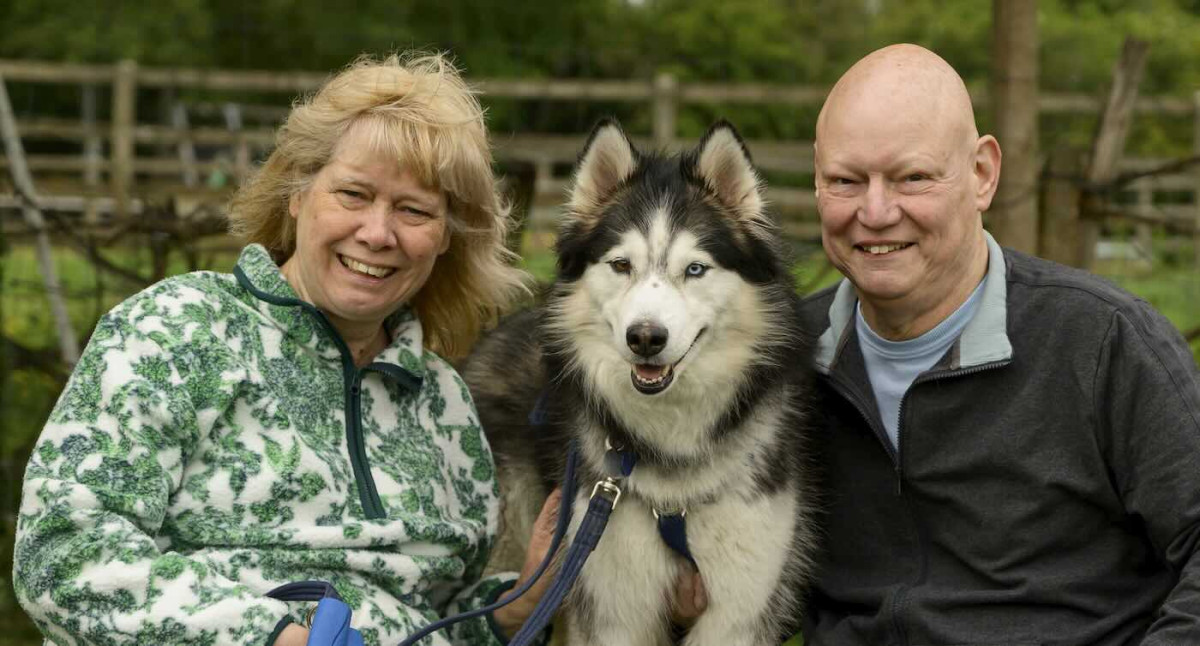
Nicole and Gary, both in their 60s and now retired, have shaped their later years around what they call part-time pups. Before retirement, they were working from home designing electronics. Along the way, they turned their house into a soft landing place for dogs that needed a break from kennels.
Their foster guests have varied widely, from a Siberian husky to a Staffie. Some have stayed only a couple of nights. Others have remained for as long as 18 months. What matters most to the couple is giving each dog a quieter setting where stress can ease and personality can start to show.
That is the part they love most: helping dogs who are too overwhelmed in kennels settle somewhere peaceful. In their care, nerves begin to fall away. The dogs stop simply coping and start being themselves.
It started with one little Staffie
Their long run as foster carers began in late 2011, after they saw an advertisement about sponsoring dogs. They had already been looking after friends' dogs and enjoying it, so they went in for a chat. Their first foster dog was a little Staffie named Marcel.
People often ask whether it is hard to say goodbye, but the Wordsworths do not see the temporary nature of fostering as a drawback. For them, it works because every stay is part of a bigger outcome. They know the dogs are moving toward a new home, and they are happy to play one chapter in that story.
That outlook has helped them keep opening the front door again and again. Fifty-nine dogs later, they say the experience has shown them something simple and encouraging: there really is a dog to suit everyone.
What a foster family learns that kennels cannot
The couple's home does more than offer comfort. It also gives adoption staff useful day-to-day information that can help match each dog with the right person. Once a dog has space and quiet, the little details become clearer: which toys they prefer, when they like to eat dinner, how far they like to walk, and when they like to sleep.
Those details may sound small, but they help build a fuller picture of the dog beyond first impressions. Gary has said it is a pleasure to watch each dog's real character come through once the nerves begin to fade.
The Wordsworths also stress that fostering does not require someone to arrive as an expert. Battersea gives carers time, training, and covers the costs. New fosterers can begin with easier dogs, and if a certain type of dog feels like too much of a challenge, they can say so. The same opportunity exists for cats as well.
The ones they still remember
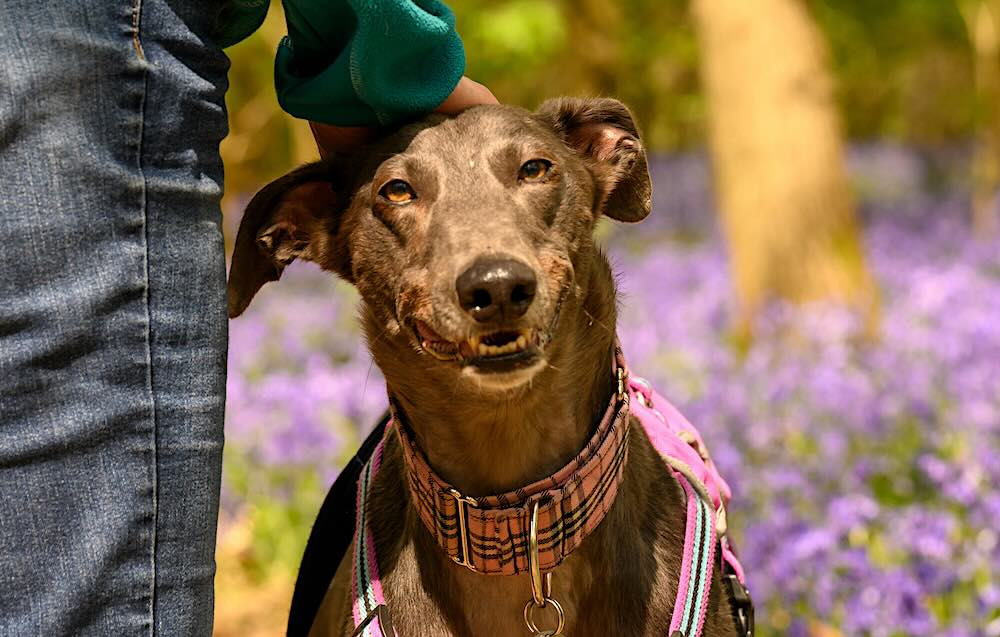
Ask them to pick a favorite and they will not. Gary has said that is impossible. Still, some dogs have stayed especially vivid in memory.
One was a very large American bulldog. While living with the couple, the dog learned tricks including giving a paw, lying down, and sitting. The ending was memorable too. The dog's original owner saw him in an advertisement and took him back home.
A more recent guest was Stormy, a husky who stayed for four months. She loved snuggling on the sofa and had what the couple described as a smiley face. She also had a signature routine at mealtimes: a happy food dance, shifting excitedly from toe to toe while her food was being prepared.
Stories like those explain why Nicole and Gary keep doing it. They enjoy hearing how former foster dogs are getting on after they leave. For dog lovers, their life offers a particularly lovely version of companionship. The stay may be temporary, but the impact is real. A dog gets relief, a clearer path to the right home, and a chance for its personality to shine. The fosterers get a furry friend beside them and the satisfaction of doing something good. In their telling, that balance makes fostering feel like a win-win.
What dog fostering is for
Fostering gives a dog a temporary home outside the noise and pressure of a shelter. For many dogs, that quieter setting helps with stress, sleep, appetite, and house manners. It can also reveal the dog's real personality. Some dogs seem shut down or overexcited in kennels, then relax once they have a routine, a soft place to rest, and predictable contact with people.
A foster home also gives shelters practical information that is hard to learn in a kennel. Foster carers often find out whether a dog is comfortable with visitors, stairs, car rides, grooming, other pets, or being left alone for short periods. Those details can make a better adoption match and reduce the chance of the dog being returned.
How fostering usually works
In many places, the shelter or rescue remains the dog's legal owner while the foster carer provides daily care. The group often supplies food, basic equipment, and veterinary support, though arrangements vary. Before taking a dog home, ask who pays for treatment, which vet to use, what to do after hours, and who handles adoption inquiries.
Good fostering starts with a decompression period. Keep the first days calm. Limit visitors, skip busy outings, and use a simple routine for meals, toilet breaks, walks, and rest. Many dogs settle faster when they have one quiet room, a crate or bed, and clear boundaries.
How to be a useful foster home
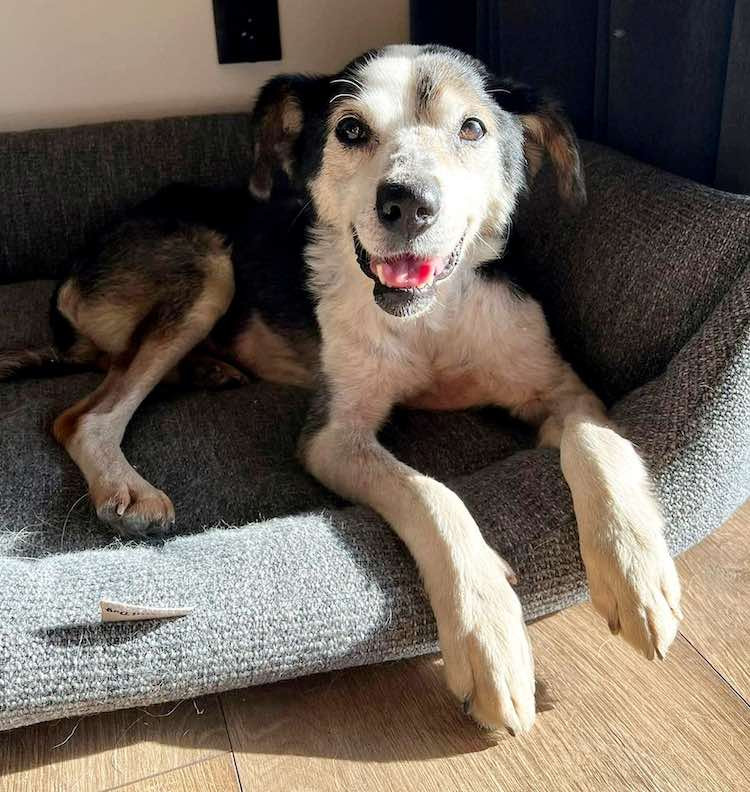
Choose a dog that fits your home and energy level. Be honest about stairs, cats, children, yard access, and how long the dog will be alone. Use management, not guesswork: baby gates, secure leads, slow introductions, and separate feeding areas can prevent problems.
Keep notes on behavior, triggers, sleep, appetite, and training progress. Short videos can help adoption teams show the dog's best qualities. If you cannot foster, temporary help still matters. Transport, supply donations, walk breaks, respite weekends, and promotion can all help a stressed dog get a calmer start.
Share this article:





