
Couple Wakes Up to a Mystery Dog in Bed, Then Learns the Cuddly Intruder Lives Just Down the Street

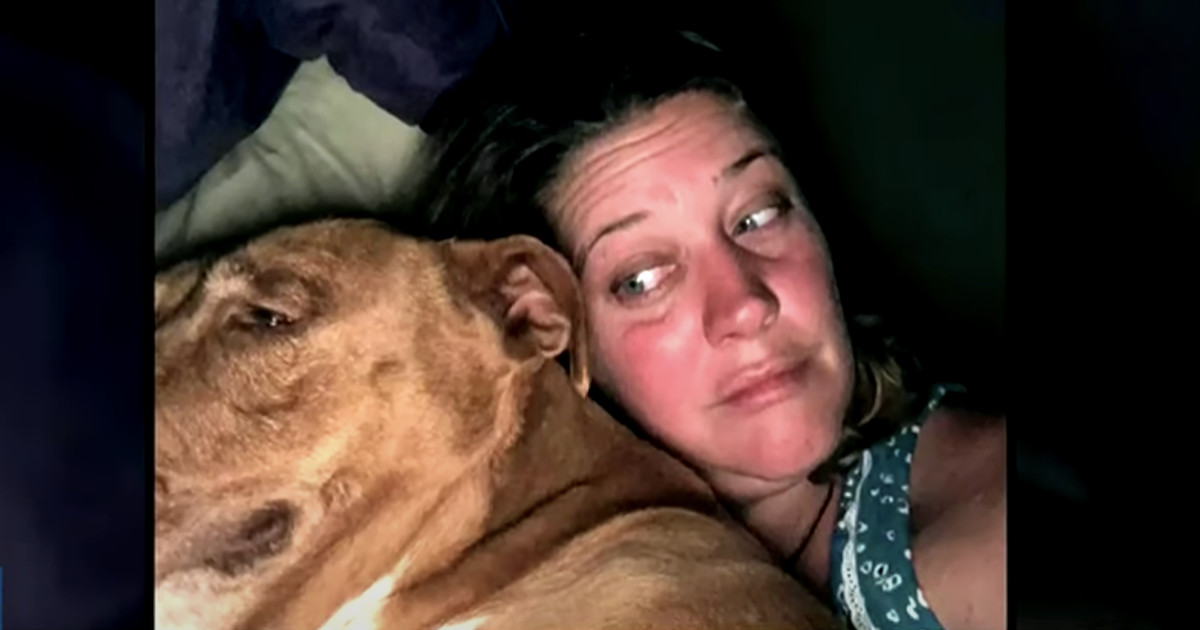
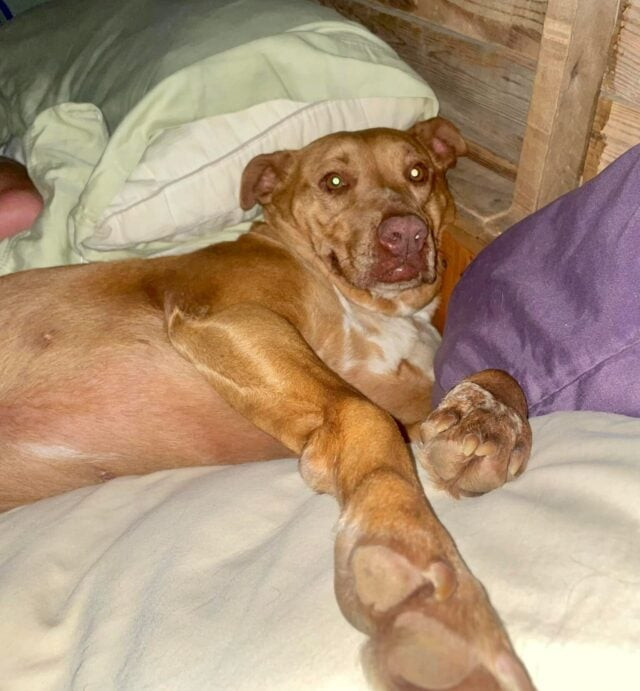
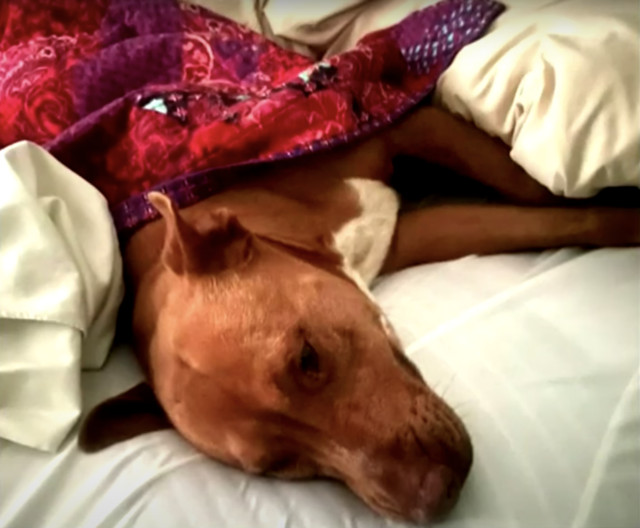
Julie Thornton Johnson and her husband, Jimmy, are used to sharing their bed with dogs. What they were not expecting was to wake up beside a pup they did not recognize, stretched out on a pillow as if she had always belonged there.
In a house with three dogs, the sight did not seem unusual at first. A canine visitor in the bed is normal for Julie and Jimmy, whose own pets love nighttime cuddles. The surprise came in the morning, when they realized the dog nestled up next to them was not one of theirs.
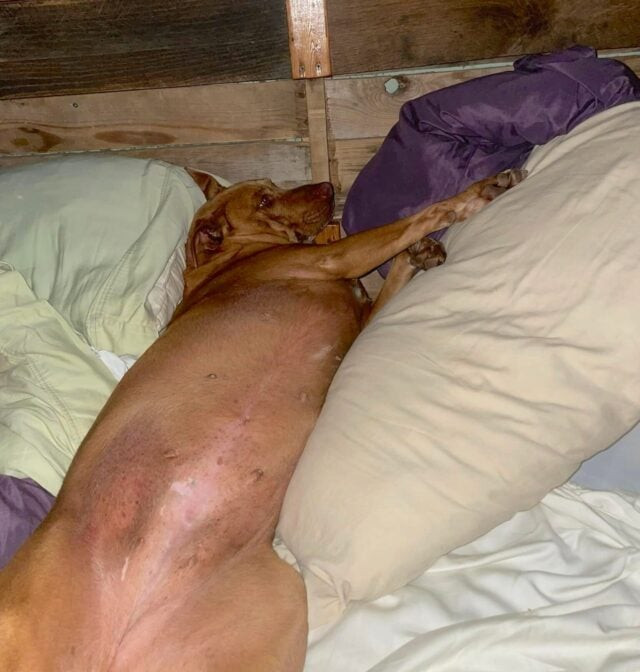
Instead of panic, the moment brought laughter. The stranger looked perfectly comfortable and, by all appearances, had already decided she was welcome. Julie and Jimmy left her where she was, amazed that an unfamiliar dog had made it all the way into their room and into their bed without setting off the kind of barking they hear over far smaller disturbances.
Julie had plenty of questions. As she later put it, their dogs react to everything from squirrels in the yard to rabbits and birds. Yet this dog had somehow slipped through unnoticed. She took photos of the unexpected guest and shared them online, hoping someone might recognize the sleepy newcomer.
How the mystery started to make sense
The couple later figured their back door must have been left open by accident. Even with that explanation, a big part of the story remained a mystery. Somehow, the dog wandered into the house, passed three resident dogs who usually make noise over almost anything, and climbed into bed without causing a commotion.
The post quickly took off. Before long, Julie heard from Cris Hawkins, who said the dog was hers and that her name was Nala. Hawkins lives a few houses away and believed Nala had slipped out of her collar during the night and gone down the street looking for attention. She appears to have found exactly that.
Julie did not hand over the bed crasher on a simple message alone. She asked Hawkins to prove Nala was really her dog. Hawkins responded with plenty of pictures, including Christmas photos, which gave Julie the reassurance she needed that the claim was genuine.
A cozy ending for Nala
When Nala's family arrived, Jimmy was still cuddling with her. By then, the dog had thoroughly settled into her borrowed spot and was not especially eager to leave it. Even so, she was happy to see her people.
Julie and Jimmy joked that if no one had claimed Nala, they would have ended up with another dog. Instead, the sleepy mix-up became the kind of neighborhood story that is too good not to share. The post spread widely, and the people involved have since become friends.
For dog lovers, the charm is easy to understand. Nala did not create a scene, did not ask permission and did not seem troubled by the unusual arrangement. She simply found an open door, an inviting bed and a pair of humans willing to make room. By morning, a mystery had turned into a reunion, and one very confident dog had given everyone a story they will not forget.
Why a friendly dog might wander into the wrong home
Dogs do not need to be neglected or lost for long to end up somewhere unexpected. Many are opportunistic explorers. An open gate, a door left ajar, a loose fence panel, or a moment off leash can be enough for a curious dog to start following smells, people, or other animals.
Some dogs are especially drawn to comfort and social contact. If they find a warm bed, an inviting couch, food smells, or a person willing to pet them, they may settle in quickly as if they belong there. Confident, social dogs often move through neighborhoods with surprising ease, especially if they already know the area.
Roaming can also be driven by boredom, anxiety, mating instincts, noise, or a habit that has been accidentally rewarded before. A dog that once found attention, treats, or play during an escape may try the same adventure again.
What to do if an unfamiliar dog shows up
Start by keeping everyone calm. Speak softly, avoid sudden movements, and give the dog space to sniff and settle. Even a friendly dog can react unpredictably when startled. If you have other pets, separate them at first to prevent tension.
Check for visible ID on a collar or harness. A phone number on a tag is often the fastest way to reunite a dog with its household. If there is no tag, a local veterinarian or shelter can usually scan for a microchip. A microchip is not a tracker, but it can link the dog to contact details if those details are current.
Offer water, but be cautious about feeding right away unless the dog appears distressed or has been with you for a while. Some dogs have dietary restrictions or medical issues. If the dog seems injured, weak, or frightened, contact animal services, a rescue, or a veterinarian for guidance.
How to reduce surprise canine visits
For dog owners, prevention is mostly about layers. Check fences and gates regularly, use secure leashes and well fitted harnesses, and make sure tags are readable. Keep microchip information updated after any move or phone change.
Training helps too. Reliable recall, waiting at doors, and comfort with being handled all make a wandering dog easier to recover safely. Dogs that get enough exercise, enrichment, and companionship are often less motivated to roam for entertainment.
For neighbors, simple habits matter. Close shared gates, do not encourage loose dogs to keep visiting without contacting their household, and report repeat escapes kindly. A wandering dog can seem funny and charming, but it is safest when everyone treats it as a reunification problem first.
Share this article:





