Dave the Community Cat Who Got Banned From a Pharmacy Is Up for UK Cat of the Year

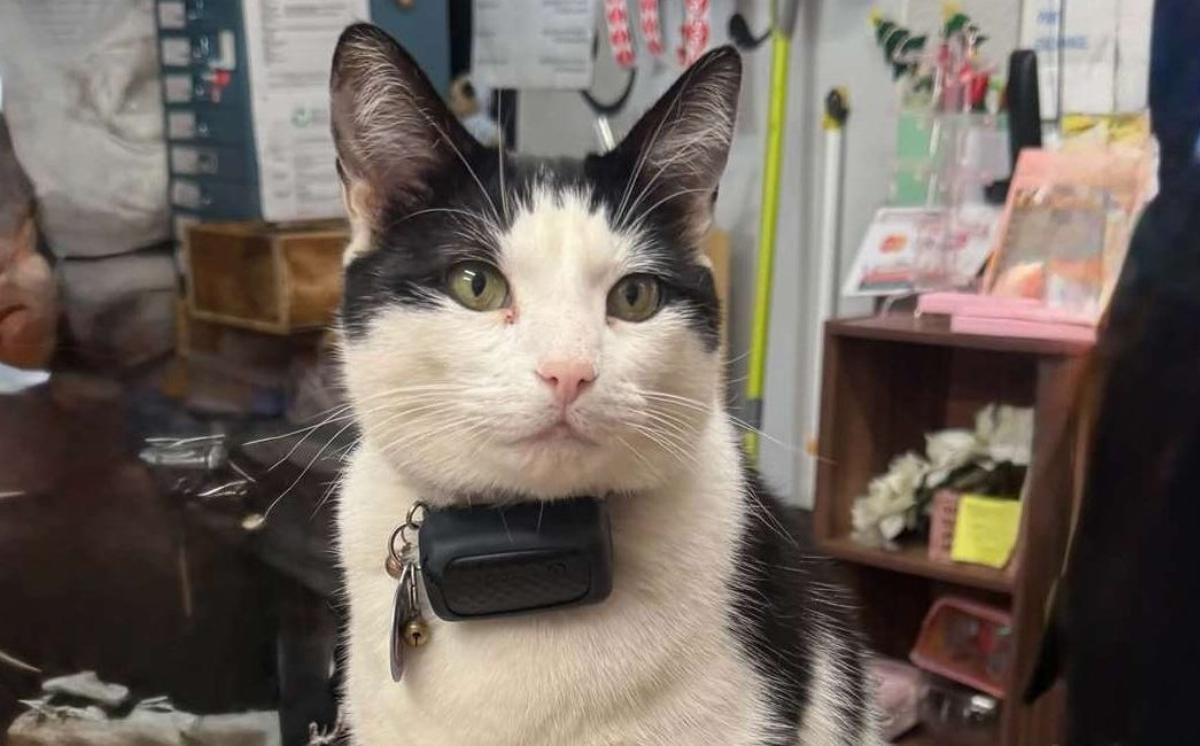
The sign says not to let Dave into the pharmacy. Dave, a black and white cat from Fairstead, has been known to ignore that suggestion anyway. That tiny act of feline persistence captures exactly why so many people know him. After years of making himself at home around town, the local wanderer with beds in several businesses and a fan following of his own is now in the running for a national cat title.
The cat who made himself a regular
Dave has become one of those cats people talk about as if he is part neighbor, part public service. In Fairstead, Norfolk, he has been a familiar sight for the last seven years, stopping for fuss from locals and even tagging along on the school run.
One of his favorite stops has been the Well Pharmacy, where he took to dropping in and brightening the place up. He became known for cheering up customers who were unwell and giving people something to smile about while they waited.
That charm, however, ran into a practical problem. Staff ended up putting up a notice asking people not to let Dave into the pharmacy after a complaint was made to head office. The result was an unofficial ban, though it has not always held. Dave has still been known to get back in from time to time, which somehow feels very much on brand for a cat whose entire local reputation rests on going where he pleases.
How Dave found his people
The cat at the center of all this did not arrive by careful planning. Emma Brock, who runs the community shop next door, said Dave began showing up so regularly and refusing to leave that he effectively chose the place himself.
Emma took him in, and the arrangement became permanent when his previous owner was unable to afford his vet bills. Dave was then signed over, received treatment, and settled into a new role that sounds less like pet ownership and more like civic appointment.
Emma described it simply: Dave adopted them. From there, he became what she called a community cat.
That label seems to fit. People around town know him well enough that his daily rounds are part of local life. He walks children to and from school, according to Emma, and he also pays visits to The Foot Fairy while people are having their feet done. If there is a warm corner, a kind face, or a chance to be admired, Dave appears to know about it.
Beds everywhere, a tracker on his collar, and a national nomination
Dave's fame now stretches beyond the pavement outside the shop. He has his own Facebook page, and his routine is so established that he has multiple beds in multiple businesses.
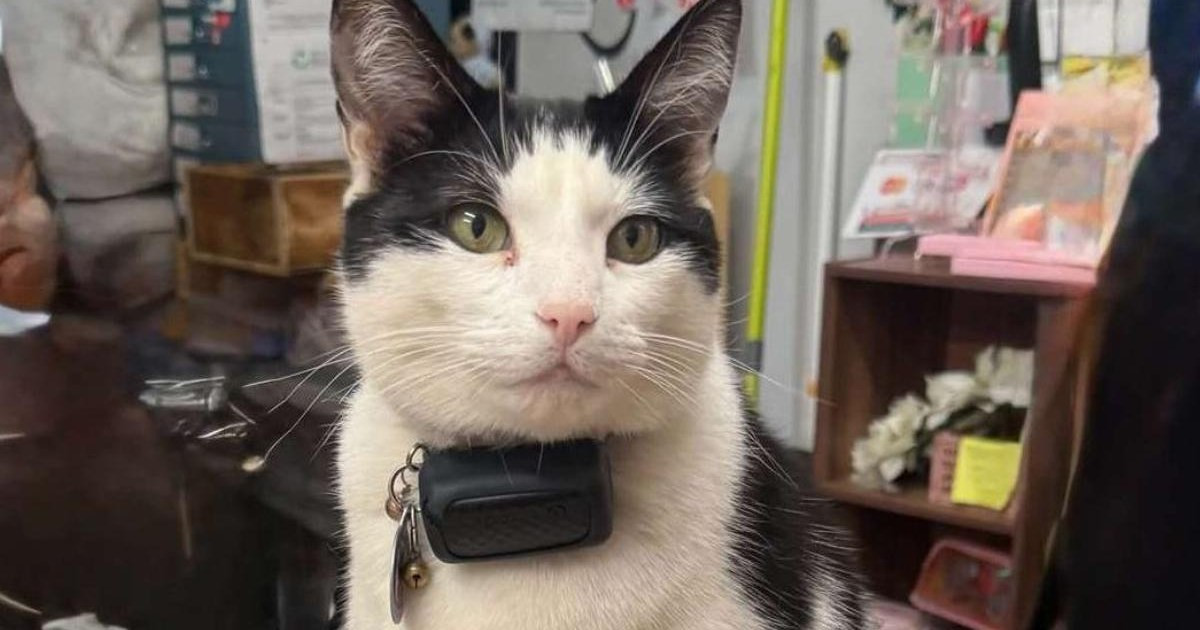
Even with all those options, his preferences remain pleasingly cat like. Emma said that after a long day greeting Lynn locals, he returns to the shop to sleep, and a tracker on his collar lets her know when it is time to let him in. Every night, she said, he is tucked up asleep with his 1,001 toys and beds. Yet for all that, he still likes a plain blanket or a cardboard box best.
Now his habit of turning up, settling in, and winning people over has landed him a spot among the nominees for the Cats Protection Cat of the Year Award, which celebrates standout feline personalities across the UK.
If Dave wins, the prize includes a Mr Fothergill's Seeds hamper with cat safe gardening items such as compost, plantable pots and tools worth almost £200. The winner also receives a one year Pet Health Club Cat Essential membership with Inspiring Vet Care, covering annual vaccinations, six monthly health checks and more.
The result is due on December 17. For a cat who started by visiting, staying, and refusing to leave, a national title would be a very tidy next step.
What a community cat usually is
A community cat is a cat that is well known in a neighbourhood, regularly seen by many people, and often informally cared for by several households or local workers. Some are truly unowned. Others do have a home but spend much of the day making rounds, collecting attention, naps, and sometimes extra meals.
The useful thing to know is that friendliness does not tell you whether a cat is lost. A calm cat may simply be sociable and confident outdoors. Before assuming a cat needs rescuing, check for a collar, ask nearby residents or shop staff if they recognise it, and look for signs that it is in good condition, such as a healthy coat and relaxed behaviour. If you are worried, a local vet or rescue can often scan for a microchip and advise on the next step.
Why cats turn up in shops, cafés, and other public places
Cats are drawn to public places for simple reasons. They like warmth, shelter, routine, interesting smells, and people who are likely to notice them. Automatic doors, sunny windows, cardboard deliveries, and regular foot traffic can all make a business feel rewarding to a bold cat.
Not every venue can safely allow this. Places that handle medicines, food, or fragile stock may have hygiene, allergy, safety, or insurance concerns. Even a gentle cat can create trip hazards, slip outside unnoticed, or become stressed by crowds.
If a roaming cat keeps visiting your workplace, the most practical response is consistency. Do not feed it at the door. Keep one quiet spot outside, away from traffic, with water only if appropriate and cleaned regularly. Ask one person to coordinate contact with the cat's owner, neighbours, or a rescue so mixed messages do not encourage the cat to linger indoors.
How to help a local celebrity cat responsibly
People naturally want to photograph, pet, and reward a charismatic cat, but too much attention can backfire. Repeated treats from many strangers can lead to overeating, food sensitivities, and a cat spending more time near roads or entrances. If you want to be kind, the safest gifts are restraint and observation.
Approach slowly, let the cat choose contact, and avoid picking it up unless necessary. Never assume children, dogs, or other cats will be welcomed. Watch body language. A raised tail and soft posture usually signal comfort. Flattened ears, twitching skin, a lashing tail, or a sudden crouch mean give space.
If the cat seems ill, injured, unusually thin, or disoriented, document where and when you saw it and contact a local vet or rescue. Clear, consistent reporting helps much more than social media fame.
Share this article: