Marina del Rey Cat Revived After Burning Van Rescue, Reunited With Owner

The moment that changed everything happened in a Marina del Rey parking lot, where an unconscious cat pulled from a smoke-filled van began to come back around under the care of a sheriff's deputy and county firefighters. What started as a vehicle fire ended with emergency treatment, a trip to a veterinary facility, and a reunion with the cat's owner.
Around 11 a.m. Sunday, Deputy Lopez of the Los Angeles County Sheriff's Department's Marina del Rey Station responded to reports of smoke coming from a van in the 14100 block of Panay Way. When Lopez got there, firefighters had already removed a cat from the vehicle.
The cat was lying unresponsive in the parking lot after being pulled from the smoke-filled van. At that point, the scene was split between two urgent jobs. Firefighters continued working on the blaze, and Lopez turned attention to the cat, requesting oxygen from the Los Angeles County Fire Department and beginning first aid.

A rescue with many moving parts
While Lopez cared for the cat, firefighters kept extinguishing the fire and searched the van for any additional occupants or animals. That detail, brief as it is, gives a fuller picture of what was unfolding around the rescue. It was not only about the vehicle itself, but about making sure no one else, human or animal, remained inside.
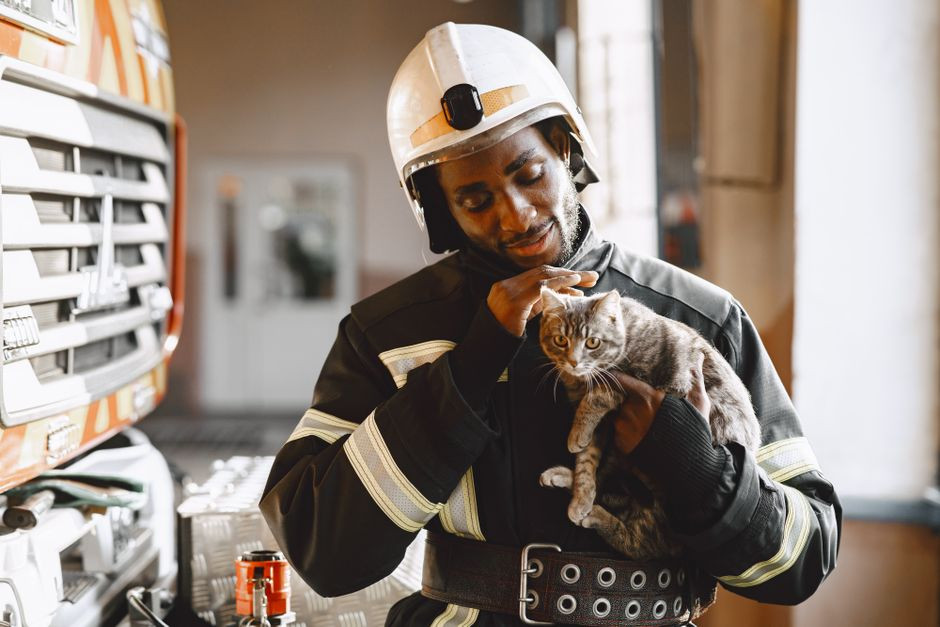
Once the fire was out, firefighters joined Lopez in treating the cat. According to the sheriff's department, the animal regained consciousness a short time later. After being found unconscious outside the van, the cat was now responsive again, a crucial turn in a rescue that had looked uncertain only moments earlier.
Back to its owner
Deputies and firefighters then transported the cat to a nearby veterinary facility for further treatment. Authorities did not share additional details about that care, but they did say the story reached the ending pet lovers always hope for: the cat was later reunited with its owner.
The sheriff's department praised Lopez for a quick response and also thanked county firefighters for their role in the rescue. Taken together, the account is a reminder of how these saves often happen, with several people doing different jobs at once and one small life depending on all of them. In this case, a cat rescued from a burning van in Marina del Rey made it through the emergency and back to its person.
Why smoke and heat are especially dangerous for cats
Cats can survive frightening escapes and still need urgent care afterward. Smoke is harmful because it does more than make breathing uncomfortable. It can irritate the nose, throat and lungs, reduce how much oxygen reaches the body, and leave a cat weak, confused or unconscious. Heat can also burn paw pads, whiskers, skin and airways.
Cats often hide when frightened, which can increase their exposure during a fire or other smoky emergency. Signs of trouble include open mouth breathing, fast or noisy breathing, coughing, soot around the nose or mouth, glassy eyes, unusual quietness, wobbliness or collapse. Some problems show up later, not right away, so a cat that seems better can still worsen after the initial rescue.
What to do after a rescue
The first priority is fresh air and veterinary help. Move the cat away from smoke and heat, keep handling gentle, and place them in a secure carrier or wrapped loosely in a towel if needed. Stress can make breathing harder, and even a friendly cat may scratch or bite when scared or in pain.
If there are burns, cool the area with cool, not icy, water if this can be done safely and without delaying transport. Do not apply butter, ointments or home remedies. If breathing looks labored, do not offer food or water. A veterinarian can check for airway injury, lung problems and burns that are easy to miss under fur.
Emergency teams sometimes use pet oxygen masks or other oxygen support. These tools help a smoke exposed cat get more oxygen while the airways recover, but they are not a substitute for a full exam.
How to prepare before an emergency
A little planning can save time when seconds matter. Keep carriers easy to reach, and practice getting your cat into one so it is less of a struggle under stress. Make sure identification is current, including a microchip and collar tag if your cat tolerates one. Keep recent photos on your phone in case you need to search for a frightened pet.
It also helps to know your cat's favorite hiding spots. During alarms or commotion, many cats head for the same places. If possible, teach your cat to come to a familiar sound such as a treat jar shake or a specific call. Prevention matters too: use candles carefully, secure space heaters, check cords, and keep curious cats away from cooking areas and parked vehicles that can heat up or fill with fumes.
Share this article: