Woman Mulls Over Getting A Dog For Her Own Home When Her Mother Is Allergic To It

Some family arguments start small, then turn into a full-blown standoff over something as simple as a pet. In this Reddit story, a woman wants to get a dog for the home she shares with her partner, but her mother is upset because she is allergic to animals.
The daughter is an adult with her own place, so she feels the choice should be hers. Her mom sees it differently and seems to think the dog is being put ahead of her. That tension is what has the Reddit thread picking sides, and the comments do not hold back.
Now the question is whether this is just a case of a grown woman making her own decision, or a family boundary issue that got messy fast. Read on.
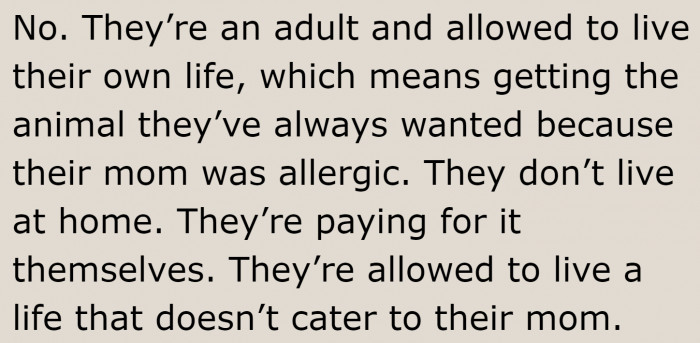
This is only fair. It's her life after all.
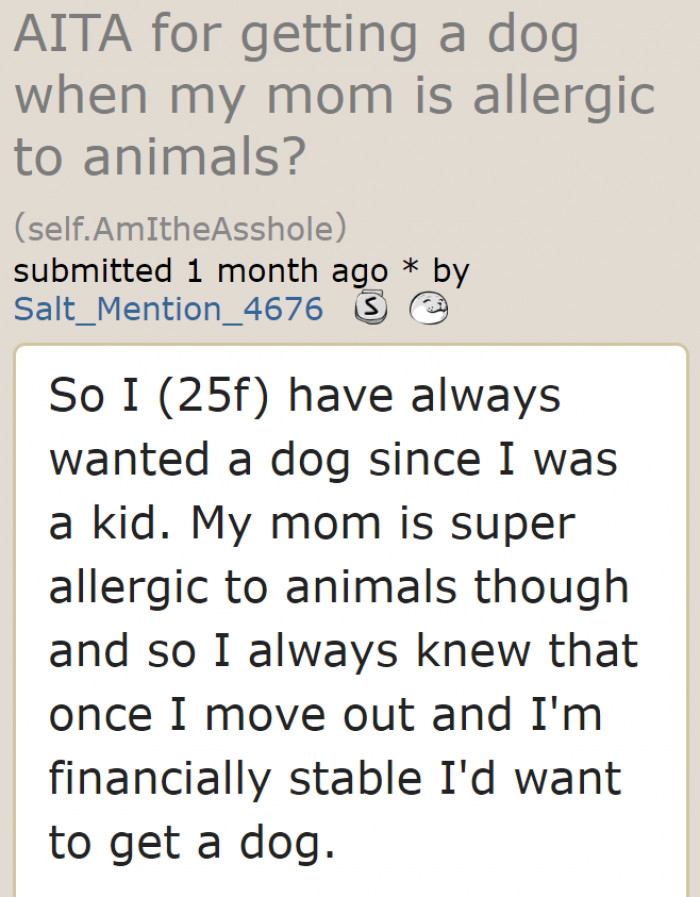
The original poster and her partner have all the time and resources to take care of a dog.
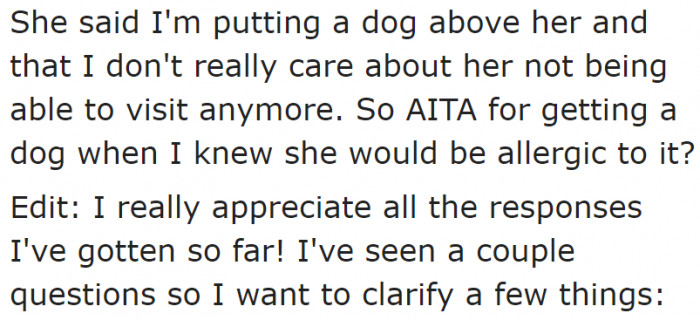
Unfortunately, her mom is against what she has decided.
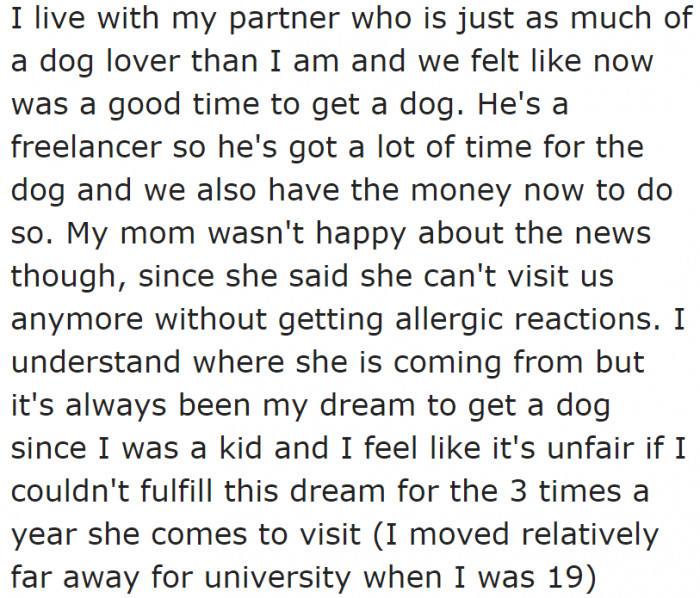
The mother's reaction
The dynamic between adult children and their parents often reveals deep-rooted psychological themes, particularly around autonomy and attachment.
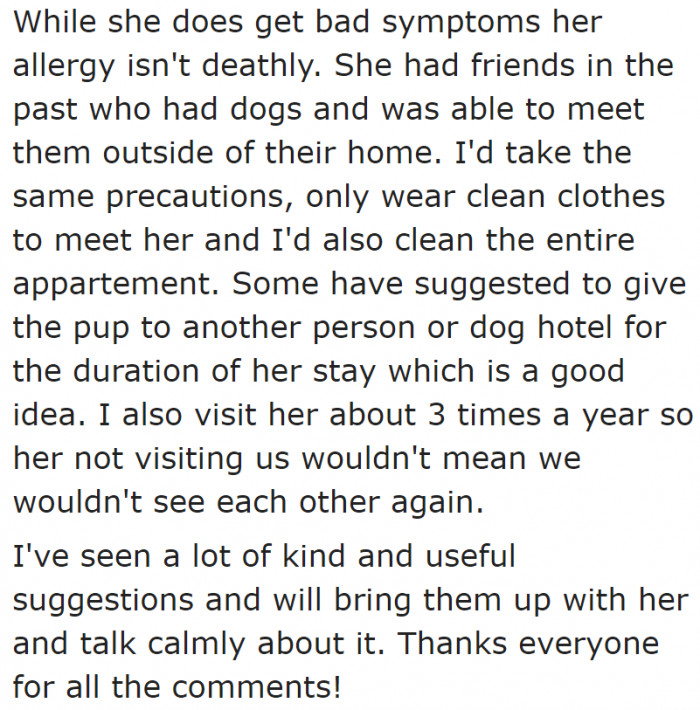
The original poster updates users as they have questions about the situation.
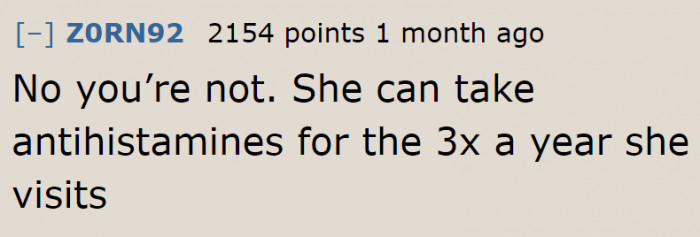
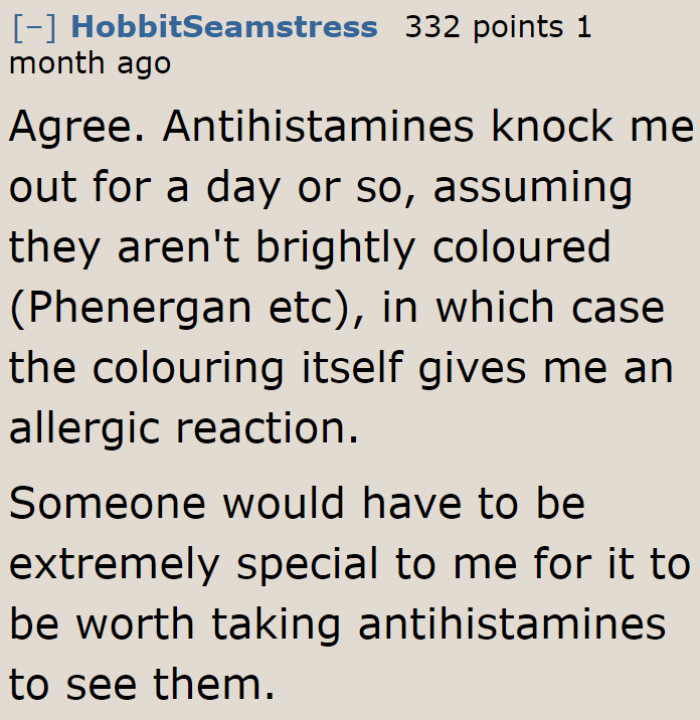
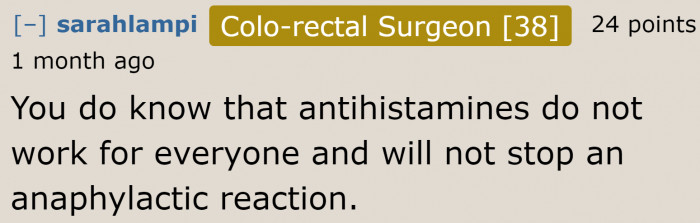
The thread quickly turned into a debate over the effectiveness of antihistamines.
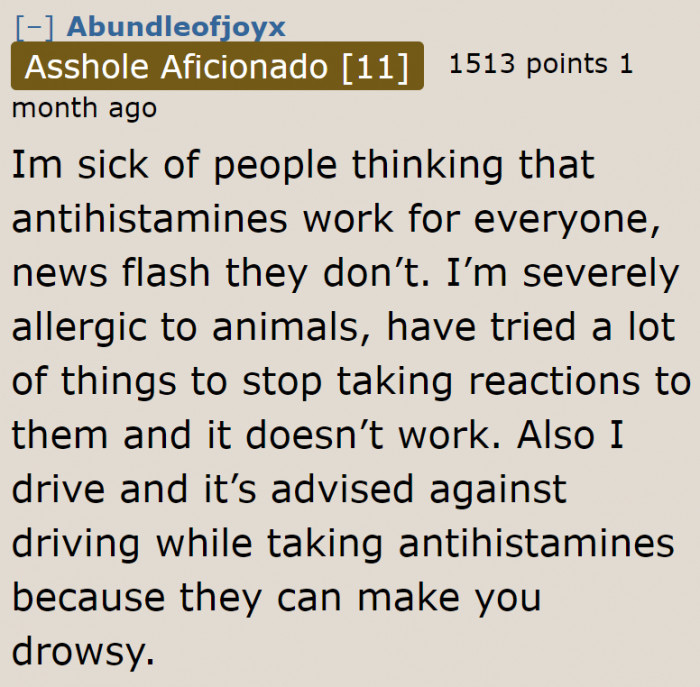
Antihistamines aren't the best solution for everyone.
Studies show that attachment styles significantly influence how adults interact with their parents after leaving home.
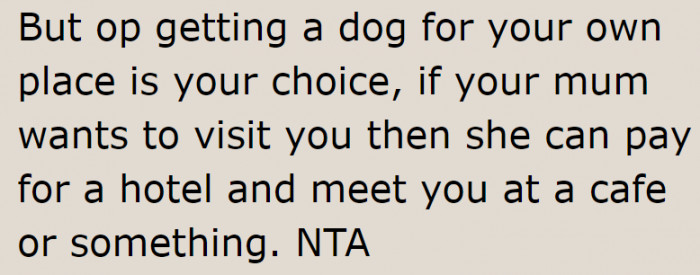
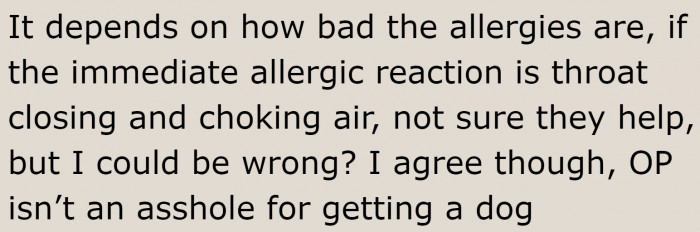
Although this user doesn't believe that antihistamines work all the time, she thinks that the original poster isn't in the wrong here.
What antihistamines do to some people
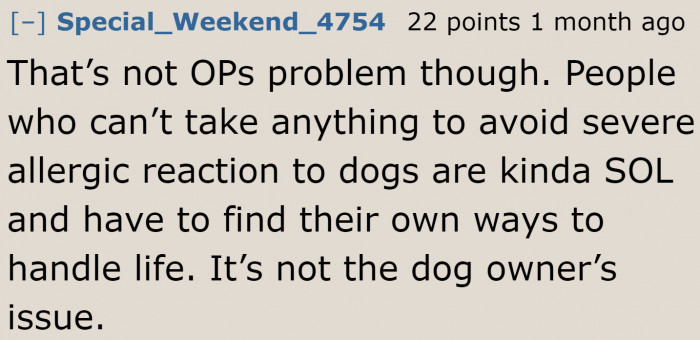
More people are adding their opinions regarding the effectiveness of antihistamines
The mother’s emotional reaction to her daughter considering a dog speaks to the broader concept of emotional contagion, where one person's feelings can influence another's. The mother's allergies to dogs may represent more than just physical discomfort; it could also evoke feelings of neglect if she perceives the dog's presence as a threat to her relationship with her daughter.
To mitigate this emotional interplay, both parties could benefit from engaging in empathy-building exercises, which can foster understanding and reduce defensiveness. For instance, discussing the anticipated joys of dog ownership alongside the mother's concerns could create a more balanced dialogue.
Sadly, decisions can't please everyone, including one's mother.
There are so many ways the mom could meet her daughter. It doesn't have to be their home.
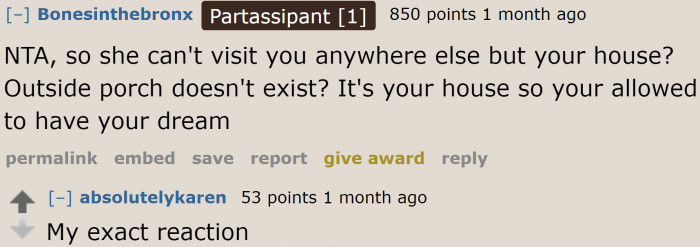
This is a great option.

Behavioral psychology provides insights into how the daughter can approach the situation with her mother.
This teen vs. family dog allergy battle mirrors the same fight over pet rules at home.
The convenience that hotels bring
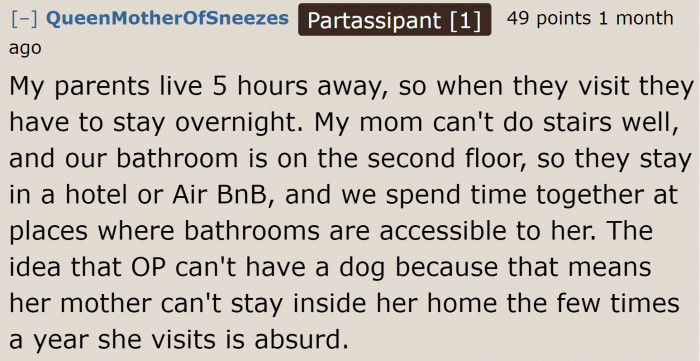
Some users agree that it's okay to put her wants above her mom.
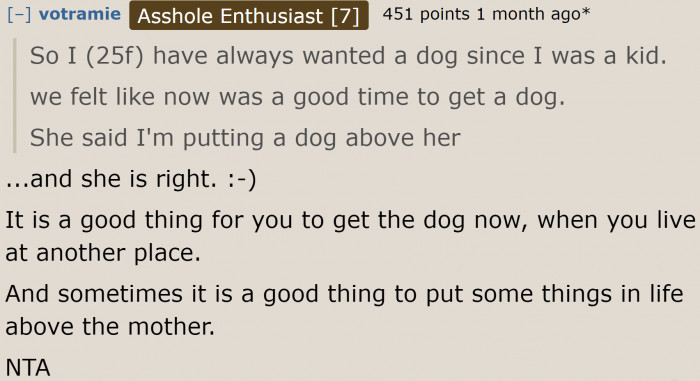
It's their home. They make the rules.
From a developmental perspective, the transition into adulthood often entails renegotiating family roles. This period, often referred to as emerging adulthood, can trigger conflicts as young adults assert their independence. The daughter’s desire for a dog may symbolize her attempt to create her own family unit, a natural step in establishing her identity.
To foster this transition, both the mother and daughter may benefit from open discussions about their evolving roles, addressing how they can honor their emotional needs while navigating this new phase of their relationship.
In other words, when there's a will, there's a way.
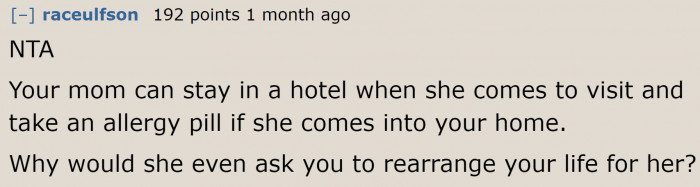
It's the mom who's being unreasonable here.
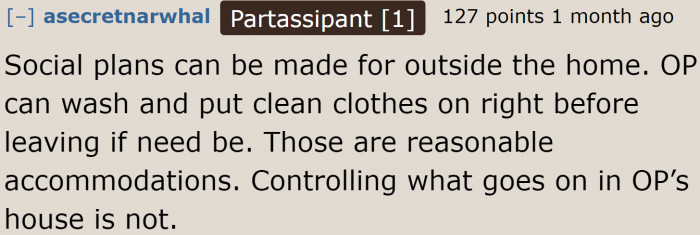
Indeed. She's an adult now.

Communication styles play a crucial role in how family conflicts are resolved. In this scenario, the daughter could use 'I' statements to express her feelings about wanting a dog, such as 'I feel that having a dog will bring joy and companionship into my life,' instead of framing it as a confrontation against her mother’s preferences.
This method can encourage her mother to express her concerns without feeling attacked, fostering a more productive discussion.
Users are even suggesting how to put the dog over the mom
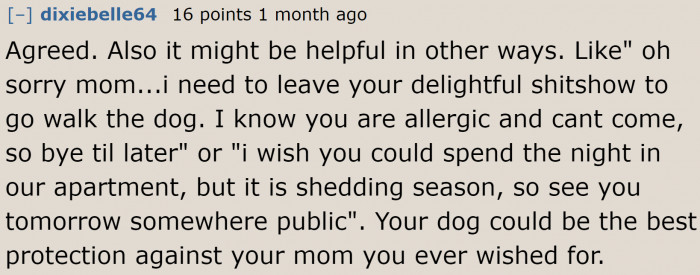
They can always meet up somewhere.
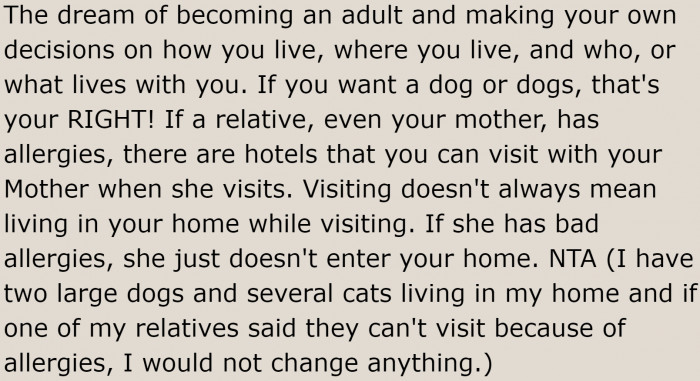
Worst case scenario (but we don't know if this is the case with the original poster's mother, though).
In family dynamics, the concept of role reversal can sometimes manifest, where adult children feel responsible for meeting their parents’ emotional needs. In this case, the mother's reaction may stem from her own fears of being sidelined or neglected in her daughter's life.
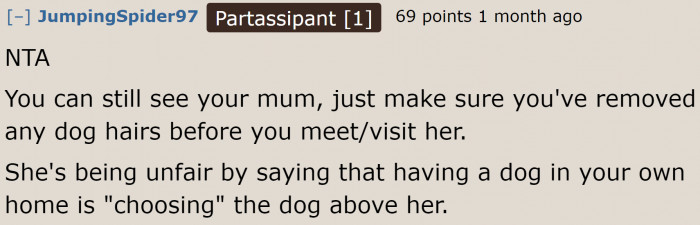
It's the mom who needs to adjust, according to this user.
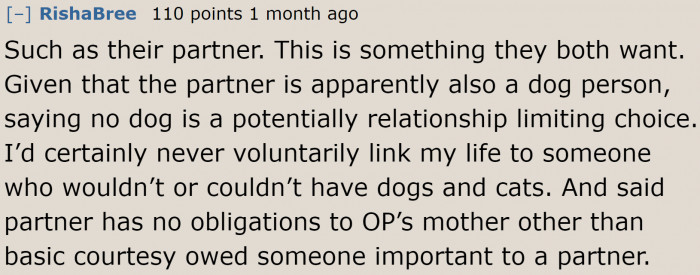
A reminder for the original poster
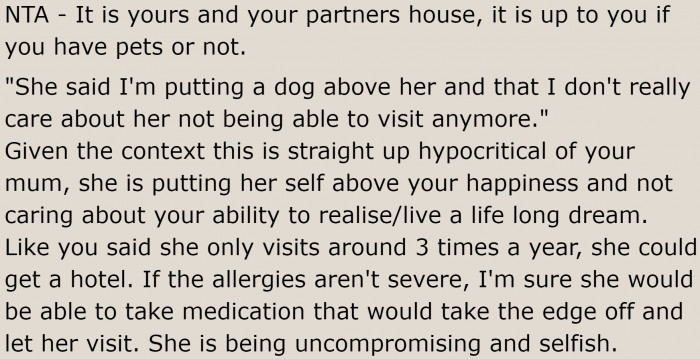
For this user, the mom is being selfish.
Resilience is a critical factor in how individuals navigate family conflicts, especially when it comes to making personal choices. This means that the daughter’s ability to assert her choice of getting a dog can be seen as an opportunity to strengthen her resilience. By facing her mother’s reaction with calmness and clarity, she can demonstrate her capacity for making healthy decisions while still being considerate of her mother's feelings.
Building resilience can be achieved through mindfulness practices and emotional regulation strategies, which are beneficial for managing familial stress and fostering healthy communication.
Reddit users agree that the original poster is free to make her own decisions even though it will change the way she and her mother will meet.
But since her mom has allergies, she also needs to take the necessary precautions when meeting her mom. We hope that she and her mom will eventually reach an understanding and that she gets to keep the pupper with her partner.
Understanding the underlying motivations for the mother's objections can lead to more empathetic conversations.
In summary, the complexities of adult-child relationships, especially concerning lifestyle choices, are supported by extensive psychological research.
Wait until you see how a woman banned her mom from getting a puppy in her house.
Share this article: