
Dog Saved Five Minutes Before Euthanasia Thanked His Vet With a Hug

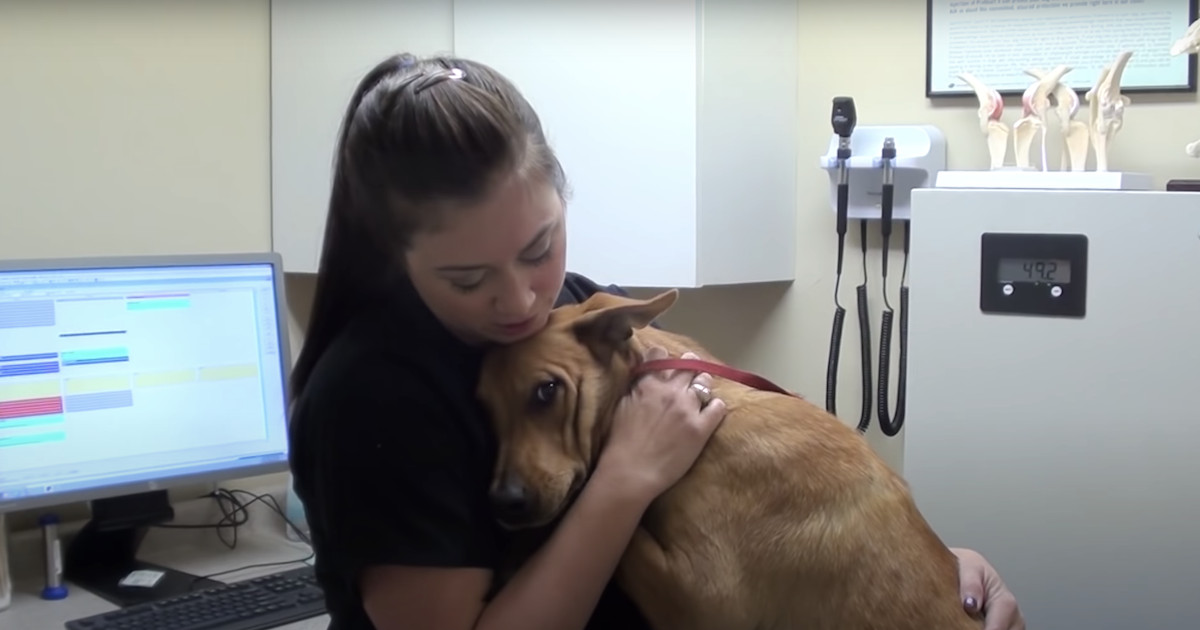
Robin came within five minutes of losing his life at a shelter, then answered his rescue in a way dog lovers will instantly understand. During a veterinary checkup, the stray leaned into the doctor and hugged her, turning a near tragedy into a deeply gentle moment.
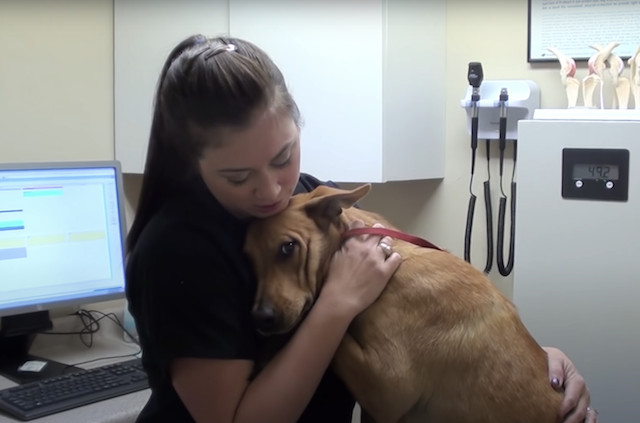
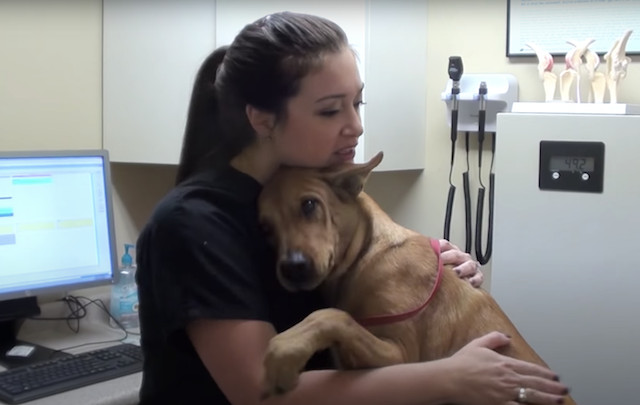
Robin's story turns on one unforgettable image: a dog who had just escaped euthanasia pressing himself against the veterinarian caring for him. As she explained his procedures, he leaned in for what looked like a thank you, a soft, trusting hug from a dog who had every reason to be guarded.
That reaction is part of what makes his rescue so striking. Robin had been only minutes away from being put down, yet at the clinic he did not retreat. He settled into the attention and seemed to recognize that the hands on him were there to help. In the clip below, which includes some graphic images, Robin is shown during that checkup at Vet Ranch.
A shelter stay that nearly ended at once
Before that moment, Robin had been found as a stray and taken in by a shelter that euthanizes dogs. He appeared to have a leg injury, and he was not given much of a chance. He was scheduled to be euthanized almost immediately.
His rescuers stepped in with very little time to spare. Robin was about five minutes from euthanasia when they got him out and brought him to Vet Ranch for a closer look. What had seemed serious enough to put his life at risk turned out to need a fuller exam, not a final decision.
His case also reflects a larger problem that animal advocates often point to in many Southern states: crowded shelters and too little spaying and neutering. Dogs end up in danger through no fault of their own, and Robin was almost one more example of that.
What the vets found, and what comes next
At Vet Ranch, the team anesthetized Robin so they could examine him thoroughly. They took detailed X-rays of his injured leg and checked several bumps on his body. The X-ray brought the kind of news every rescue hopes for. His leg was not broken at all. It was bruised, but otherwise looked fine.
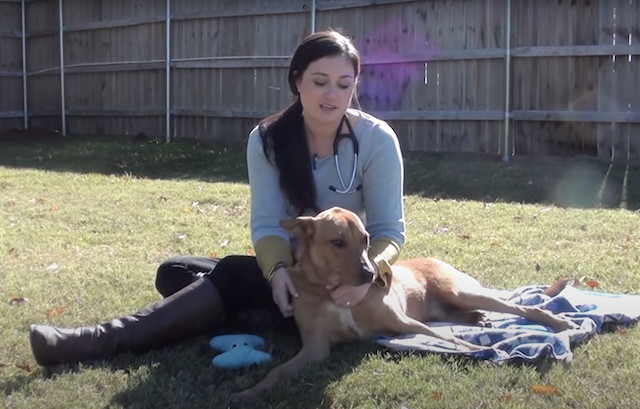
While he was under, the veterinarians neutered him as well. Afterward, the outlook was completely different from the one waiting for him at the shelter. One of the vets said Robin had not shown any more signs of lameness since being picked up, and the team was happy to say he was healthy and ready for a new home.
That is a remarkable turnaround for a dog who had arrived with so little margin. He went from being moments from death to being cleared for adoption, with the people treating him suspecting that he is still young. If that is true, Robin may have a long life ahead of him, provided the next step is the right one: a forever family.
For dog lovers, the hug is the part that lingers. It is sweet on its own, but it also stands for everything that changed around him. Robin was not written off because someone chose to act, and a dog who nearly lost everything got the chance to leave the exam room healthy, safe, and looking for love.
Why shelter dogs can run out of time
Animal shelters take in dogs for many different reasons, including strays, owner surrenders, medical cases and animals removed from unsafe situations. Some shelters can keep dogs longer than others. Space, staffing, health risks and behavior concerns all affect how long a dog can stay and what options are available.
Euthanasia in a shelter is generally used as a humane end when a dog is suffering, poses a serious safety risk, or cannot be housed safely with the resources on hand. Policies vary widely by region and by shelter type. A dog may also be transferred to a rescue group, placed in foster care, or adopted directly, depending on capacity and the dog’s needs.
If you want to help, the fastest practical actions are often fostering, adopting, or sharing accurate shelter posts. Calling first matters. Ask what the dog needs most urgently, such as a foster home, transport, behavior support, medical funding, or a quiet place to decompress.
Stress changes how dogs act
Dogs in shelters often behave differently than they would at home. Noise, unfamiliar smells, confinement and disrupted routines can make even friendly dogs look shut down, overexcited, or reactive. That means a single kennel impression is not always the full picture.
Affection can also look different under stress. Some dogs seek body contact, lean into people, lick, paw, or press their chest against a trusted person. Others find close restraint uncomfortable. A true hug is not something every dog enjoys. Watch the whole body: soft eyes, loose muscles, relaxed mouth and a wiggly posture usually signal comfort. Stiffness, lip licking, whale eye, freezing or turning away can mean the dog needs more space.
What to do if you adopt or foster
Expect a decompression period. Keep the first days quiet, use a predictable routine, and limit introductions to new people and animals. Give the dog a safe resting spot and let contact happen gradually.
Ask the shelter or rescue about medical needs, bite history, triggers, house training, and what rewards work best. Set up a vet visit soon, secure identification right away, and use a leash, harness, and doors carefully during the adjustment period.
If adoption is not possible, fostering can still save lives by opening kennel space and giving staff better information about the dog’s real personality. Even short term fostering, transport help, or covering supplies can make a dog easier to place permanently.
Share this article:





