
Dillon Stayed Beside His Owner Until the End. Now This Loyal Dog Is Still Waiting for a Home

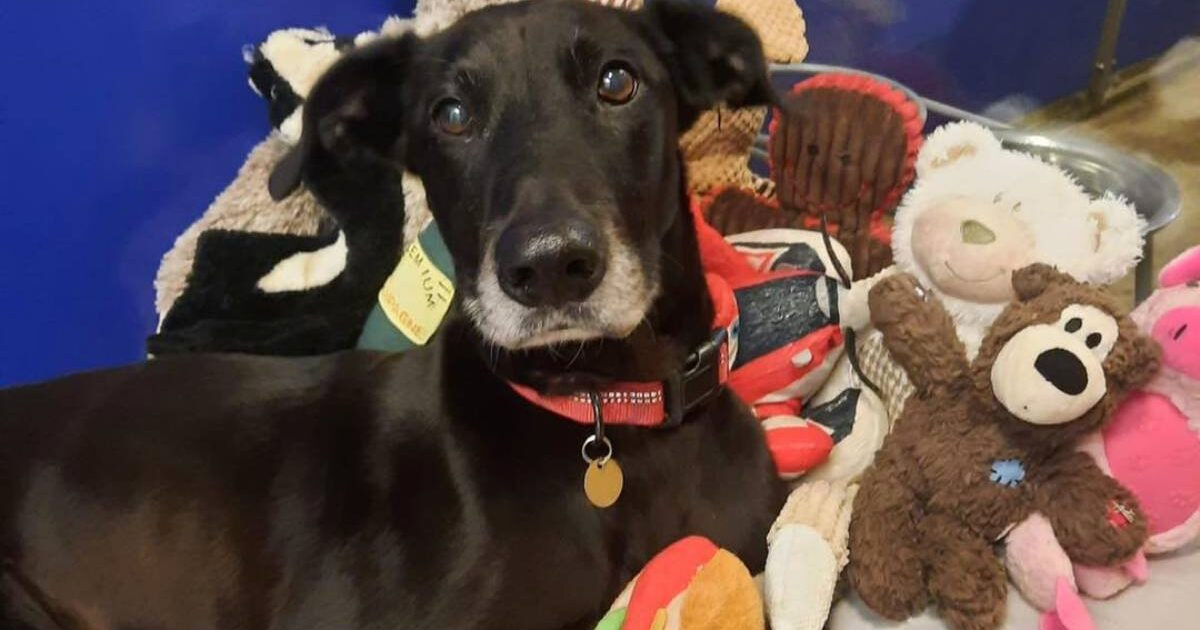
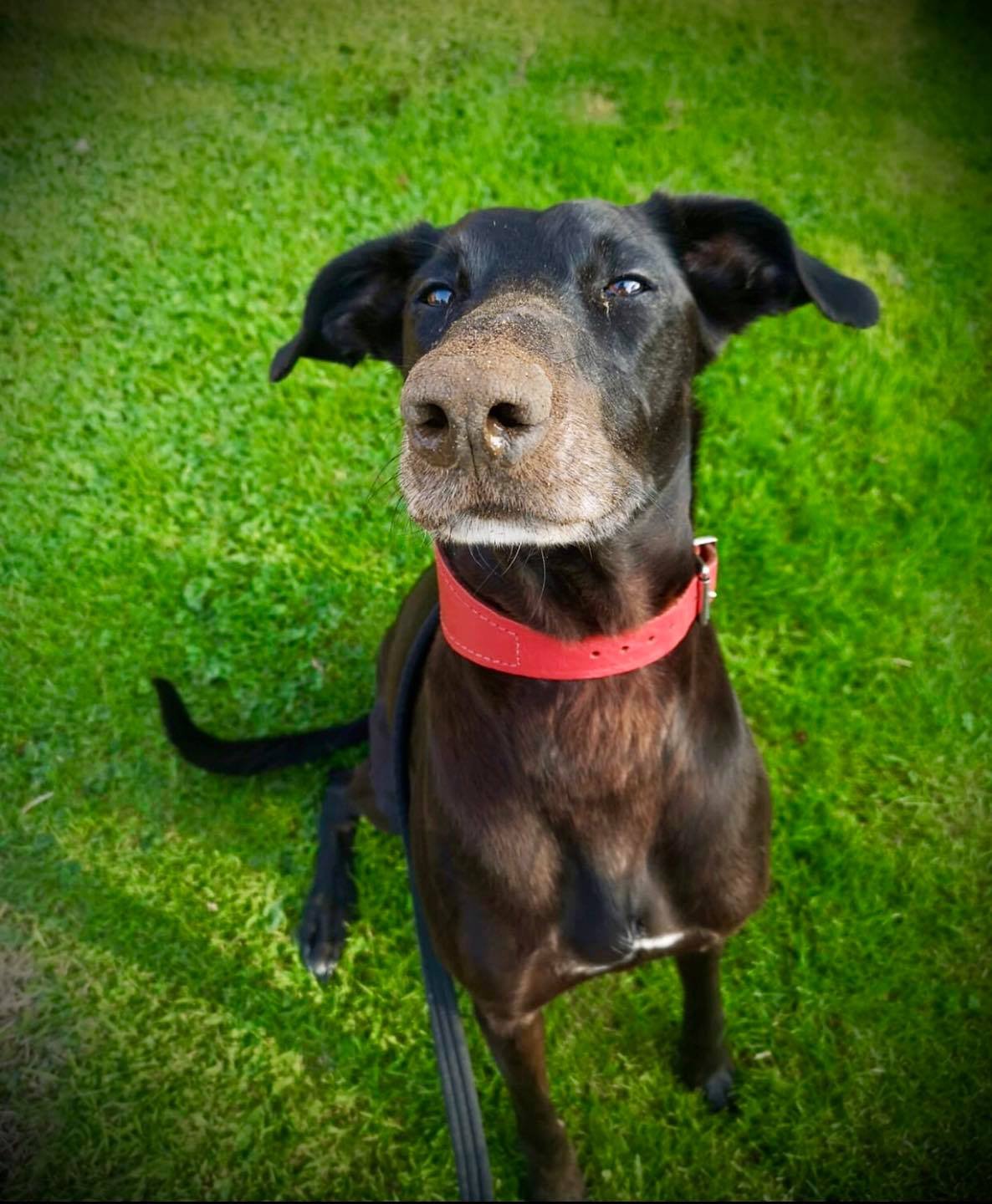
Dillon's story starts with a scene of extraordinary devotion: he was found lying beside his owner after the man had died, and he would not leave him. About two years into shelter life in Cornwall, England, the 9-year-old dog is still waiting for a home that understands exactly what kind of companion he is.
For the staff who came to know Dillon, that first image says a great deal about him. Amy Hall of the National Animal Welfare Trust said it was clear he had stayed with his owner and was still trying to protect him. It was heartbreaking, but it also revealed the quality that defines Dillon more than anything else: once he gives his heart to someone, he gives it completely.
That depth of attachment is part of what makes his long wait so hard to hear. Dillon now lives at a NAWT shelter in Cornwall, where he has been for about two years. Instead of one special person to shadow, he has a kennel and the hope that the right adopter will finally come along.
Shelter staff do not doubt that he has plenty to offer. They describe a dog who is affectionate, devoted and eager to be close to his person. They also believe his best future is likely to look a lot like the bond he had before, with plenty of one-to-one attention and a home that appreciates a dog who wants to be fully involved in his human's life.
Why Dillon keeps getting overlooked
On paper, Dillon's age might make some people think they are meeting a quiet older dog who only wants a short stroll and a sofa. In reality, he is closer to a youngster in spirit. Hall said people are often surprised that a dog nearing 10 can still have so much energy.
That mismatch has worked against him. Some foster carers found him more lively than they were looking for. Staff say he enjoys getting out into the fields for a good walk and, once he has had that outing, he is happy to relax. For dog lovers who want a companion with both enthusiasm and an off switch, that could be a plus. For people expecting a permanently sleepy senior, it has been a stumbling block.
His ideal home is also narrower than many adopters can offer. Dillon cannot live with children or with another dog in the home. According to the shelter, that is not because he lacks interest in people or cannot cope outside. It is because he becomes very attached and can be possessive of the person he loves most. The very loyalty that makes him special is also the trait that has complicated his search.
A dog who wants his own person
The shelter has worked with Dillon on his interactions with other dogs. Hall said those efforts began with muzzled walks, and staff have seen encouraging signs. He can go out with other dogs without issue, which suggests his needs are specific rather than simple dislike.
One foster placement helped clarify that. Dillon lived in a home with other dogs and, by Hall's account, managed well with them. The difficulty came indoors, where he was less comfortable sharing his owner. Hall even compared him to Joey Tribbiani from Friends, a dog version of someone who does not like to share what is his.
Even so, the shelter says Dillon can cope with visitors bringing children or dogs over, and he is happy enough around other dogs on walks. What he seems to need most is a home where the central bond is unmistakable and his person is truly his person.
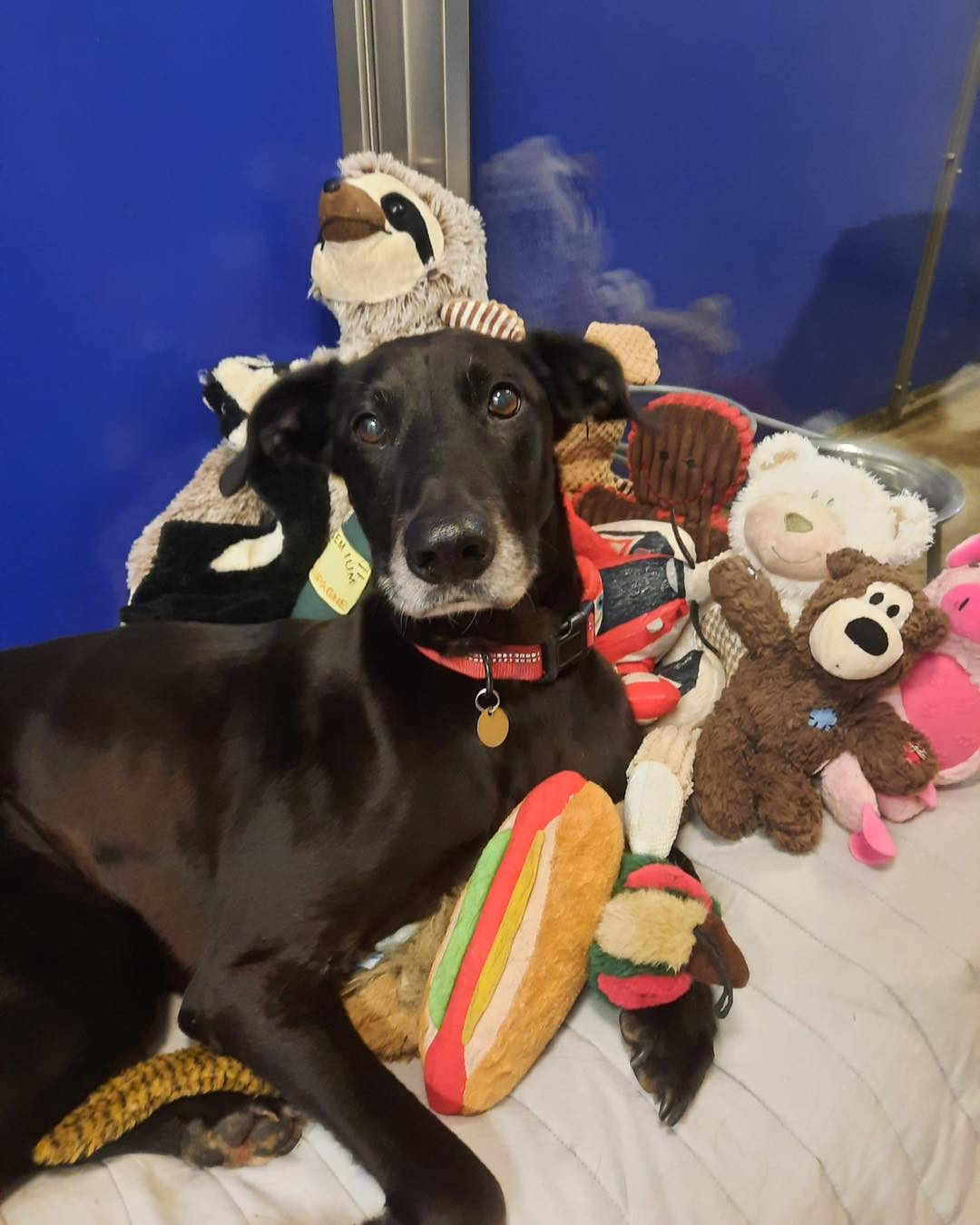
A few possible adoptions have come close and then fallen through. So Dillon remains where he is, waiting for somebody who sees his clinginess not as a flaw, but as the flip side of remarkable faithfulness. The shelter describes him as a sweetheart who likes collecting toys, heading out for walks and spending time with his human. For the right person, that sounds less like a challenge than a ready-made best friend.
Why some dogs seem to wait
Dogs are routine driven, social animals. Many form a strong attachment to one person and build their day around that person’s voice, smell, schedule and habits. When that person suddenly disappears, a dog may not understand why. What people describe as loyalty can also be confusion, stress and a search for familiar cues.
Common signs of grief or upheaval in dogs include pacing, waiting by doors, reduced appetite, clinginess, extra sleeping, restlessness, whining or a sudden change in house training. Some dogs shut down quietly, while others become more reactive or frantic. These behaviors do not always mean a long term problem, but they do mean the dog needs patience and structure.
How adoption and settling in usually work
A displaced dog often does best with a calm transition. Ask about the dog’s normal food, walking habits, favorite resting spots, triggers, medical needs and how the dog behaves when left alone. Keeping meals, potty breaks and sleep times predictable can reduce stress fast.
In a new home, set up one quiet area with a bed, water and familiar smelling items. Let the dog approach people at its own pace. Short, gentle walks, simple sniffing games and low pressure bonding often help more than busy outings or lots of visitors. If the dog is not eating, cannot relax, or seems fearful for more than a short adjustment period, a veterinarian or qualified behavior professional can help rule out pain, anxiety or illness.
What every pet owner can do now
One practical step is to make a pet care backup plan before any crisis happens. Write down feeding instructions, medications, veterinary contact details, microchip information, behavior notes and the names of people willing to help. Keep leashes, carriers and records easy to find.
It also helps to talk directly with family or friends rather than assuming someone will step in. A clear plan can spare a dog an abrupt move, reduce confusion for caregivers and make it easier to place the animal in a safe, suitable home if needed.
Share this article:





