
Dog Found With Hundreds of Ticks Is Rescued and Bound for Foster Care

The moment everything changed for Princess fit into a single update: she was off the street and at a veterinary clinic in Mexicali, Mexico. For the dog rescuers had described as covered in hundreds of ticks, that message meant the crisis had finally started to turn.
A breakthrough came within hours
Princess's rescue story hinged on the kind of update people wait for when a plea for help starts spreading fast online. After advocates pushed her case into view, rescuers announced that she had been removed from the street and taken to a veterinarian in Mexicali for evaluation.
That step did not solve everything, but it changed the course of her situation immediately. A dog who had been pictured in alarming condition was now somewhere safe, with veterinary professionals able to begin determining what care she needed. Rescuers also made clear that a case like hers involved more than a single pickup. It required medical attention, transportation planning, and a place where she could recover.
The next piece of good news followed. Princess was welcomed into the rescue family of Loving PAWSabilities, Inc., and arrangements were being made to bring her to a foster home in Southern California. For supporters who had been sharing her story, the rescue's message amounted to the answer they had been hoping for: Princess had gotten the yes she needed.
What rescuers saw when they found Princess
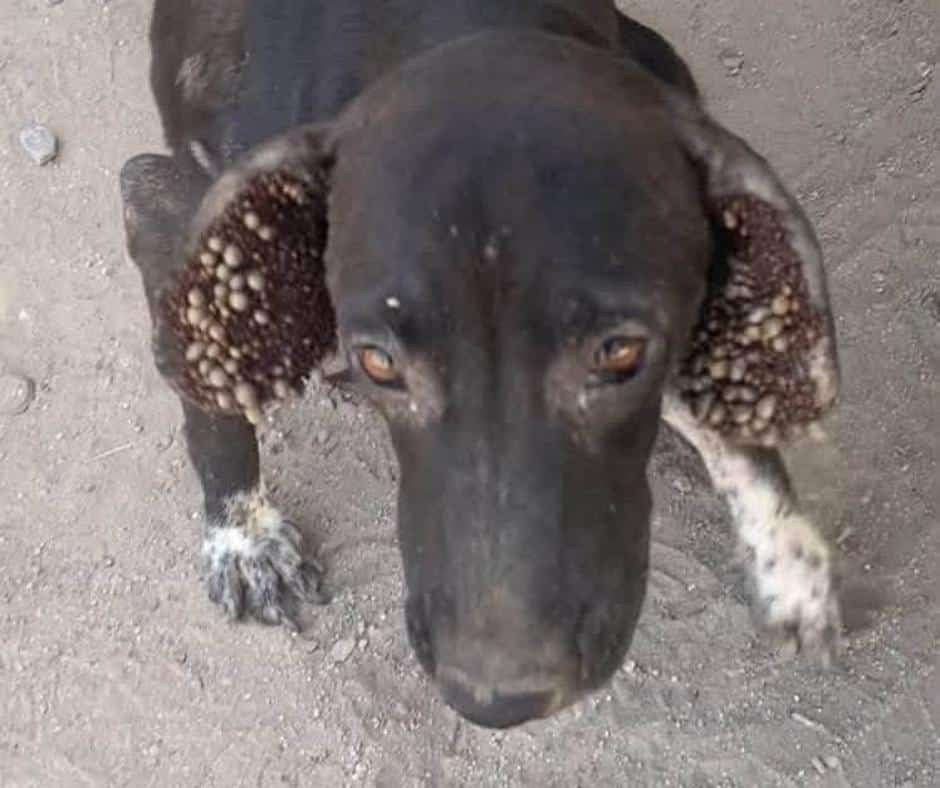
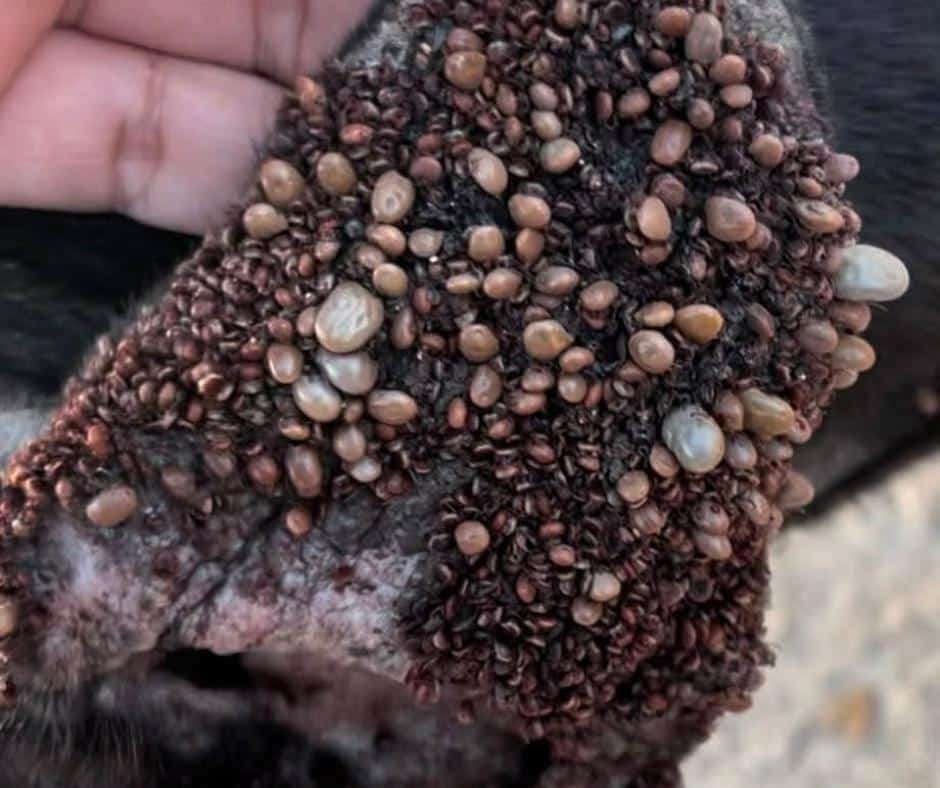
The urgency around Princess came from the condition she was in. Rescuers said hundreds of ticks were attached around her ears, one of the clearest signs that she had gone far too long without proper care. They also said the rest of her body showed signs of prolonged neglect.
According to the rescue, Princess had been living on the streets of Mexicali despite reportedly having an owner who was not providing the care she needed. She could not get rid of the parasites herself, make a veterinary appointment, or secure a safe place to stay. In practical terms, she was completely dependent on someone stepping in.
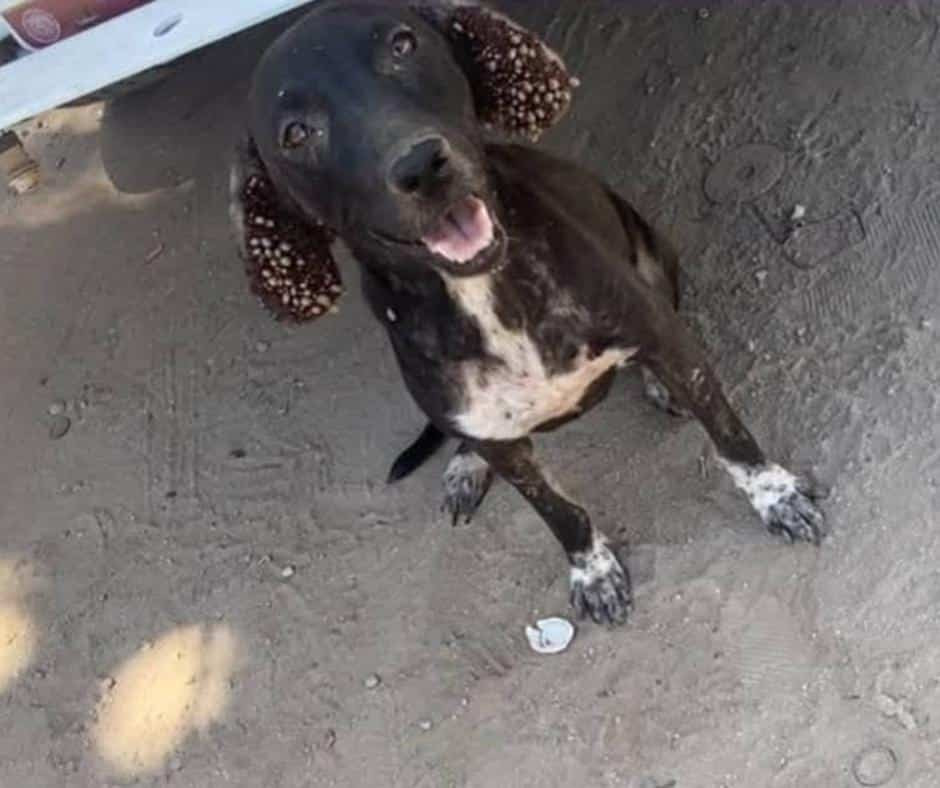
What made her case stand out even more was not only her physical state, but the way rescuers described her spirit. Even after what they said she had endured, they saw a dog who remained trusting and still had affection to give. That detail sharpened the sense of urgency. The situation was serious, but the dog at the center of it had not withdrawn from people. For the people trying to help, that made it harder to imagine leaving her where she was.
The rescue effort began with one person refusing to look away
Princess did not end up in safety because of a single action from a single person. Her rescue took shape through a chain of advocacy and coordination that grew quickly once her condition became known.
Carolina Mora learned about Princess and began speaking up for her. Loving PAWSabilities then shared an urgent appeal asking people to spread Princess's story and help connect the group with reputable rescue resources that could assist. The organization said it was willing to coordinate transportation for an approved foster, but getting a dog from Mexicali into foster care in Southern California meant several pieces had to come together at once.
There were veterinary needs to address first. There also had to be a safe destination waiting for her, along with a workable transportation plan. Behind the scenes, strangers, supporters, and professionals were all part of that effort, including people far from Princess's location who simply wanted her to have a chance.
The appeal eventually narrowed to a simple goal. Princess needed what rescuers called "ONE YES." In other words, she needed one person or one opening that could move her out of danger and into care. The rescue later credited Carolina's compassion and determination with helping create that opportunity. Her role was a reminder of something that often sits at the center of animal rescue work: before there can be transport, treatment, or foster placement, someone has to notice and refuse to let an animal remain invisible.
Why getting her to a veterinarian mattered so much
In Princess's case, the trip to the veterinarian was not a routine stop. A severe tick infestation can be more than uncomfortable for a dog. Ticks feed on blood, and they can also carry disease. The report on Princess noted that heavy infestations may contribute to anemia through blood loss, and attachment sites can leave skin irritated or damaged.
The risks can be especially concerning for puppies, senior dogs, and animals that are already weakened by illness, malnutrition, or a long stretch without veterinary care. Tick-borne illnesses mentioned in connection with severe infestations include ehrlichiosis, anaplasmosis, babesiosis, and Rocky Mountain spotted fever, although the specific disease risk can vary depending on region and tick species.
That is why simply pulling off visible ticks is only part of the response in a case as extensive as Princess's. A veterinarian can assess the dog's overall condition, check for signs of anemia or tick-borne disease, decide whether testing or treatment is appropriate, and recommend safe parasite control. By getting Princess into a clinic soon after she was removed from the street, rescuers put those decisions in the hands of professionals.
Her story does not end with a dramatic flourish so much as a hard-won shift into safety. Princess went from a street dog in visible distress to a dog under veterinary care, backed by a rescue group and headed toward foster placement in Southern California. For an animal who needed help that she could not secure on her own, that change was everything.
Share this article:





