Missing Dog Tyson Rescued After a Week on Cliff Above Crater Lake

Tyson’s week-long disappearance ended in a place few dog lovers would expect. The missing dog was found on a cliff face above a lake inside a volcanic crater, and getting him home took a full emergency response.
Tyson had been missing for a week when rescuers located him in a precarious spot, stranded on a cliff overlooking a lake in a volcanic crater.
What followed was not a simple pickup. Emergency services were called in to retrieve him, turning the search for one dog into a technical rescue shaped by the terrain where he was found.
A careful recovery
Crews from the MFS and SES took part in the operation. The rescue used specialist equipment, along with a drone, to help reach Tyson and bring him back from the cliff face.
The setting alone made clear why the effort required more than a routine response. Tyson was not just lost in open ground. He was perched above water on the side of a crater, in a place where access was difficult enough to require coordinated work from multiple emergency teams.
The payoff for everyone involved was simple and welcome. Tyson was safely returned to his owners, bringing an end to the week he had spent missing and closing an unusual rescue that depended on people, planning and the right tools to get one dog out of a dangerous spot.
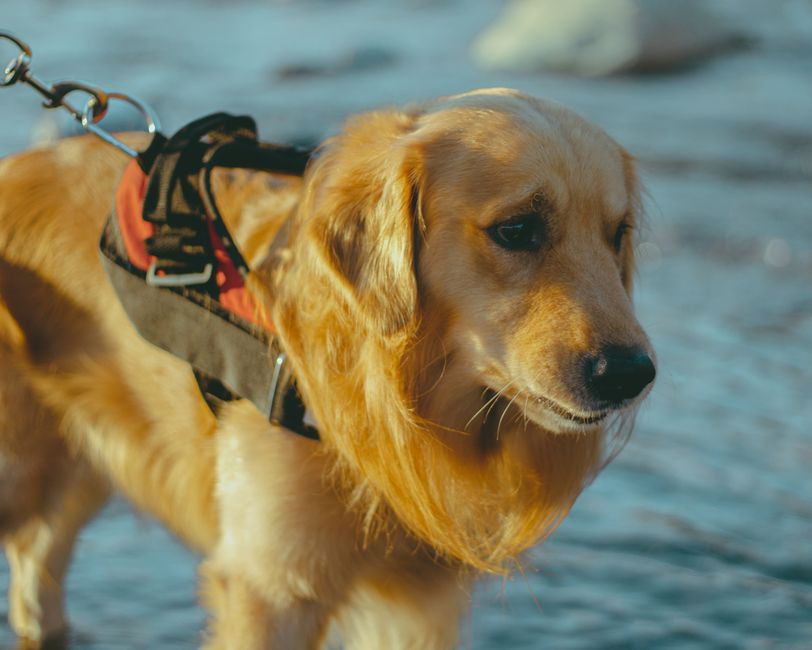
Why dogs get stranded in steep country
Dogs can cover ground surprisingly fast, especially when a scent, sound, or moving animal pulls their attention away from a trail. In rugged places, that can lead to ledges, loose rock, brush, snow, or shorelines that are easy to reach going down but hard to climb back from.
Many dogs also keep moving after they are tired, thirsty, or frightened. A stressed dog may hide quietly instead of barking, which makes searching harder. Some will avoid strangers, even when they need help. If a dog is missing outdoors, it helps to think like a tracker: check shaded areas, sheltered pockets, game trails, water edges, and any place where a dog might stop to rest but struggle to leave.
How dog rescues in hazardous terrain usually work
Rescuing a dog on a cliff, slope, or shoreline is very different from calling it out of a backyard. The biggest risk is often to the people trying to help. Untrained owners can trigger rockfall, slip, or scare the dog into moving to a worse spot.
The safest first step is usually to keep eyes on the animal from a distance, note the exact location, and contact land managers or local emergency services for guidance. In some places, specialist rescue teams, rangers, or trained volunteers handle technical access. Food, water, and a familiar voice can help keep a dog calm, but direct approach should be careful and planned.
If you spot a stranded dog, share clear landmarks, photos, and the time of sighting. Do not crowd the edge, throw objects, or let other dogs rush in.
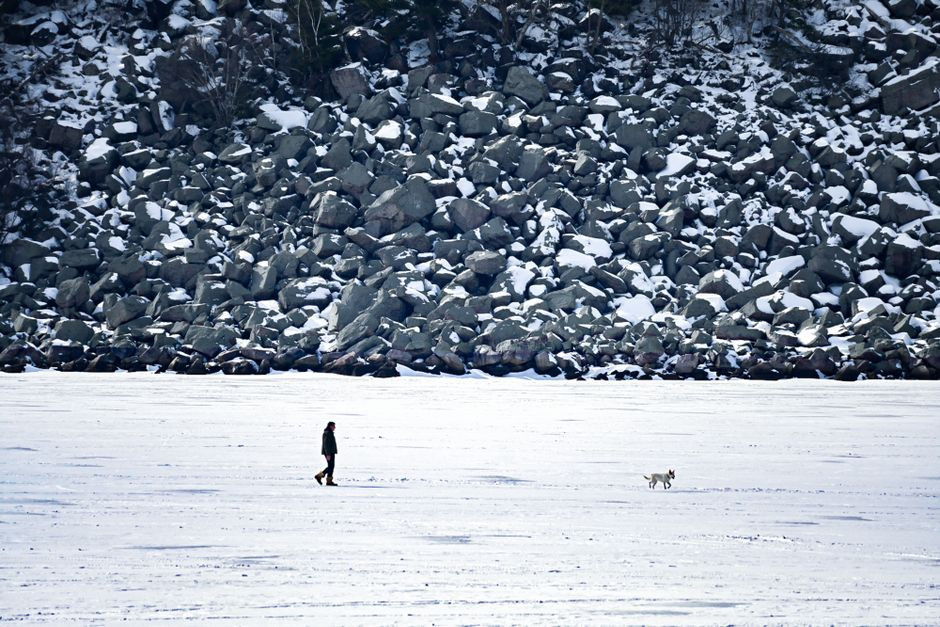
What owners can do before and after a dog goes missing
Preparation matters. A well fitted collar with current ID tags, a registered microchip, and recent photos from different angles all make recovery easier. Strong recall, leash skills, and practice around wildlife scents can reduce the chance of a bolt in the first place. In remote areas, bright gear and location trackers can help, though batteries and signal coverage vary.
If a dog disappears, act quickly but calmly. Return to the last known spot, use a normal happy voice, and leave a familiar scented item nearby. Ask nearby staff, visitors, shelters, and veterinary clinics whether anyone has seen or picked up the dog. Post clear notices with photos and a direct contact method. Avoid chasing a fearful dog. Many are more likely to come closer if the person crouches, turns slightly sideways, and lets them approach.
Share this article: