Missing Chihuahua Reunited With Illinois Owner After 12 Years Thanks to One Working Microchip

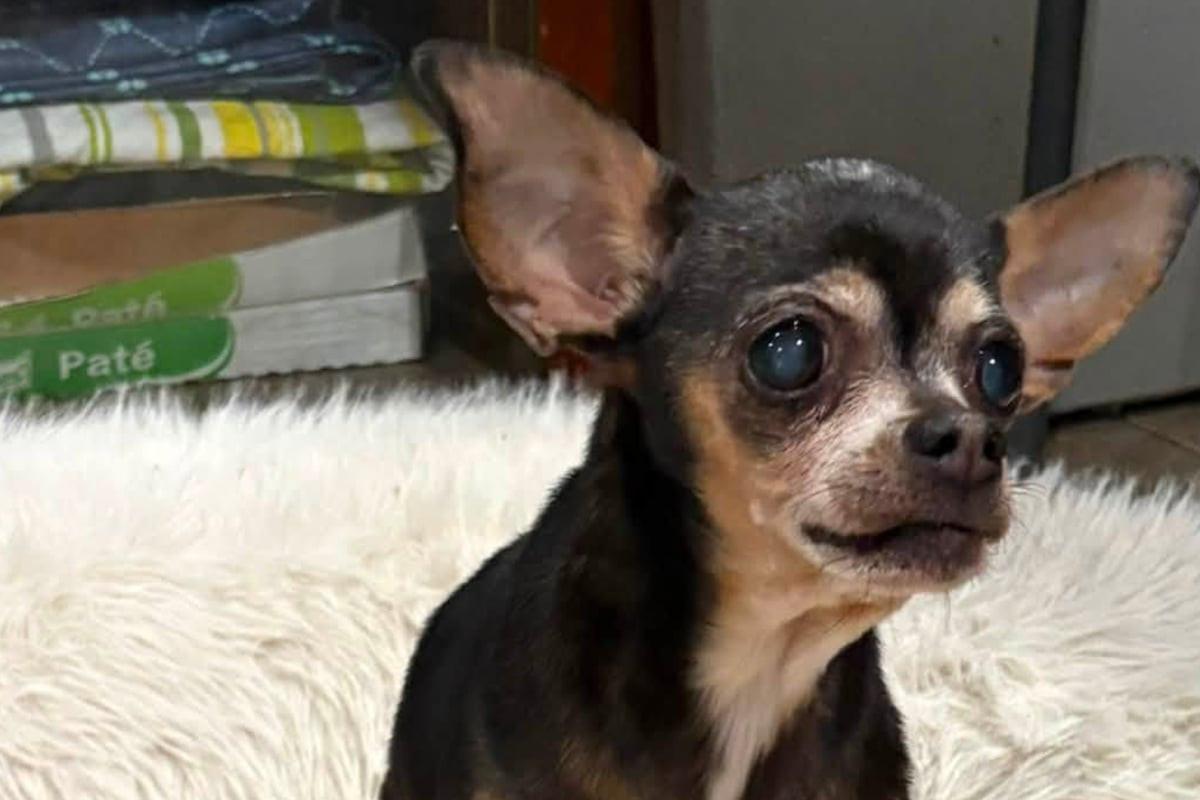
When Vanessa Antonino saw Flor again, she said she completely broke down. The Chihuahua had been missing for 12 years, and the call saying she had been found came from another state.
A name from the past
The reunion began with a phone call from the Griffith, Indiana Animal Control & Shelter. Antonino, who is from Illinois, was stunned to hear that the dog they had was Flor, the Chihuahua she had lost more than a decade earlier.
Her first reaction was disbelief. "I was like, 'Flor?' I'm like, 'I hadn't heard her name in years!'" she said. The shock only grew when she learned Flor had not turned up in Illinois at all. She had been found in Indiana.
For Antonino, Flor had never become just a memory. The shelter later wrote on Facebook that she had never stopped thinking about her dog and had continued to hope that, somewhere, Flor was safe.
How Flor disappeared
Tanya Ohanian, head of the dog department at the Evanston Animal Shelter, said Antonino's life looked very different when Flor went missing 12 years earlier. Antonino had been living in and out of her car at the time. When she was working, Flor stayed inside the vehicle because, Ohanian said, there was no other option.
Then, one day, Flor was gone.
Ohanian said Antonino carried guilt about what happened and remembered her saying, "I had no money, I had no resources. Like I tried my best to find her, and I just, like I couldn't find her." The loss stayed with her. Even after all those years, Flor remained part of the family's story.
Antonino said one of the hardest things about the long separation was everything Flor had missed. "I missed years with her, her knowing her brothers, like, her human brothers. They all know about her," she said.
The trip home
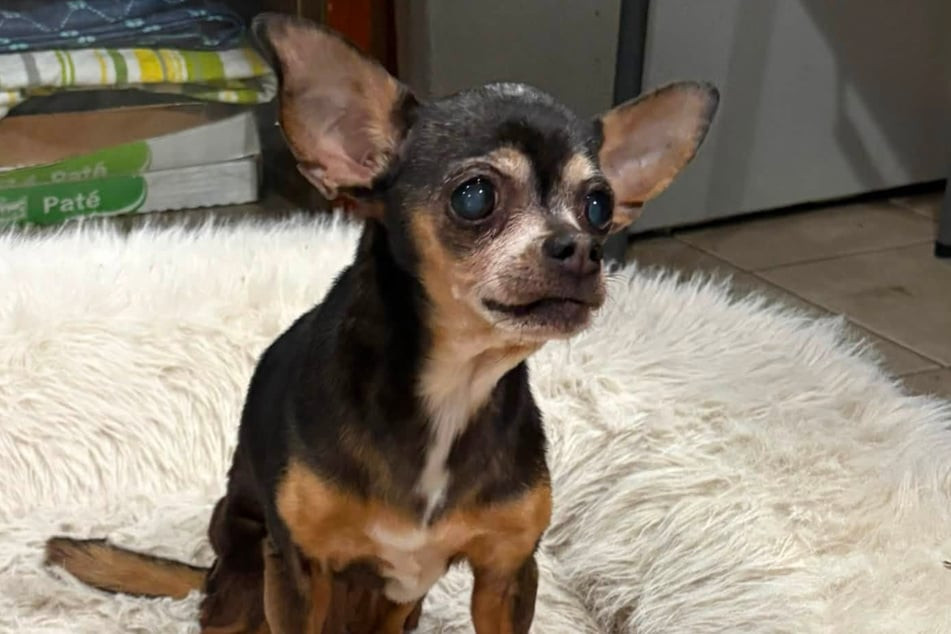
The reason Flor could be identified after so long was simple and extraordinary at the same time. Her microchip still worked.
That tiny piece of information allowed shelter staff to connect the elderly dog to the person who had been missing her for years. A volunteer then brought Flor back to Illinois so Antonino could pick her up.
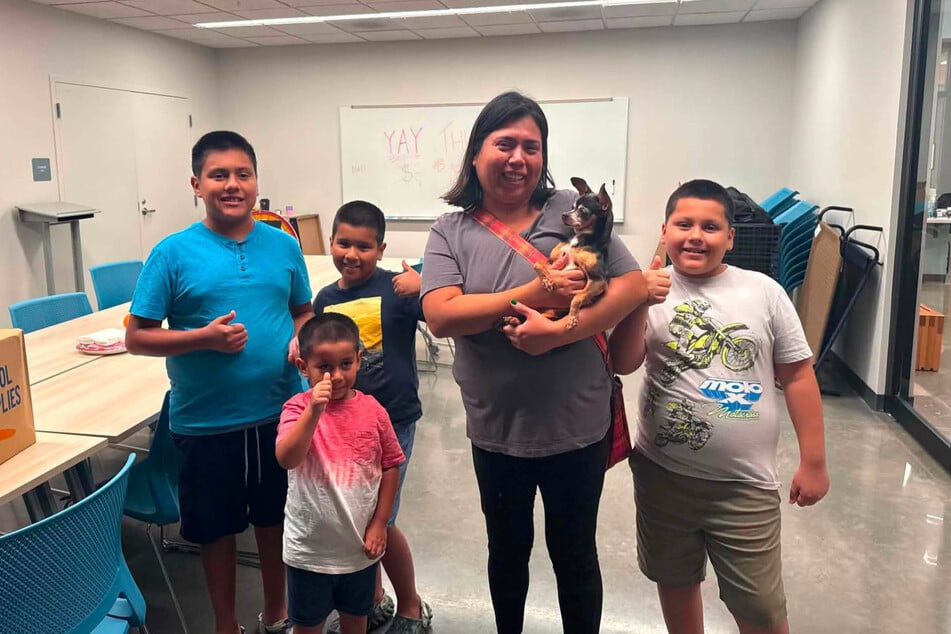
She did not come alone. Antonino arrived with her four children, who had grown up hearing about the dog their mother never forgot. Antonino said that when she saw Flor, she cried immediately. "I went and saw her. I just bawled. I broke down completely," she said.
Then came the line that captured what the return meant to her: "She was back with me. A piece of my heart was back with me."
The children had their own way of welcoming Flor into the family story that had already included her for years. Antonino said they called the little dog their doggie sister.
After the reunion, the shelter pointed to Flor's case as a powerful reminder of why microchipping pets matters, and why keeping that information current matters too. In Flor's case, one working chip was enough to carry a tiny dog all the way back to the person who had never stopped hoping for her.
How pet microchips work
A pet microchip is a tiny ID device placed under the skin, usually between the shoulder blades. It does not use GPS and it does not track a pet’s location in real time. Instead, it stores an identification number that can be read with a scanner at a shelter or veterinary clinic.
That number is linked in a registry to the owner’s contact details. If a lost dog or cat is found, the chip can help staff connect the animal to the right person even if the collar is missing, the tag is unreadable, or the pet has been gone a long time. A microchip is best thought of as permanent backup identification, not a replacement for tags or a leash.
Why the registry matters
A working chip only helps if the contact information attached to it is current. Many reunions are delayed because a phone number, address, or email was never updated after a move or a change in ownership.
Practical steps are simple. Ask your veterinarian or shelter to scan your pet’s chip during a routine visit and write down the chip number. Check which registry it is linked to and confirm that your name, phone numbers, email, and emergency contacts are correct. If your pet was adopted, make sure the registration was fully transferred into your name. Keep a recent photo of your pet and note any distinctive markings, because shelters often use those details alongside chip information.
Best practice for lost and found pets
The strongest safety plan uses more than one form of identification. A collar with a readable tag can lead to the fastest return, while a microchip can still work if the collar comes off. For indoor pets, microchips matter too, because animals can slip out during moves, storms, visits, or repairs.
If your pet goes missing, contact nearby shelters, animal control, and veterinary clinics quickly, and keep checking back. If you find a pet, bring it to a shelter or clinic to be scanned as soon as possible. Scanning may be repeated because chip position can shift slightly, and different scanners may vary. A quick scan, paired with updated registration, can make a reunion much easier.
Share this article: