
Dog Runs 2 Miles to Find Mom and Turns Up at Her Workplace

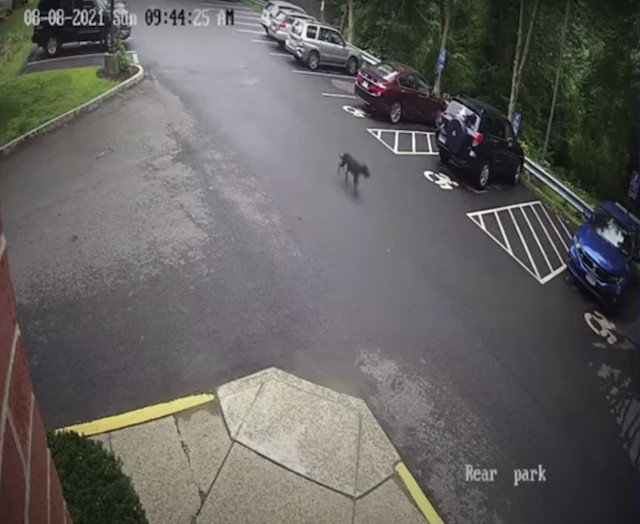
Liza Thayer left town for a wedding and trusted her dog, Indy, to stay with family back in Connecticut. Instead, the pup vanished from a deck and set off on a route she apparently knew by heart.
Indy was not supposed to go anywhere. While Thayer was away, her parents were watching the dog, and Thayer's father briefly let the usually obedient pup wait outside on the deck while he went to get her leash for a walk. When he stepped back out, Indy was gone.
What followed looked like a classic missing-dog scare. Thayer's father was desperate to find her, with no way to know that Indy may already have made up her mind about where she belonged. Thayer later suggested the dog likely decided that if her mom was not at home, then she must be at work.
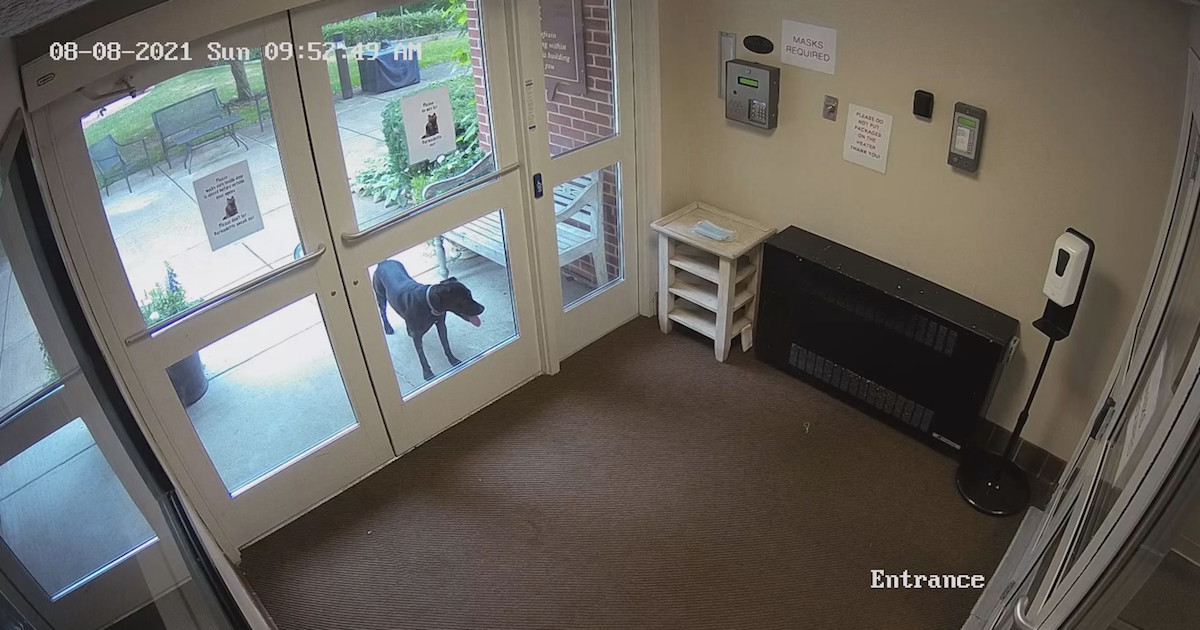
That instinct sent Indy on a surprisingly direct errand. Surveillance cameras later recorded her reaching a familiar building and looking through the front door, as seen in the clip below.
She picked the one place she knew her mom might be
About 15 minutes after slipping away, Indy arrived at Kirtland Commons, the Deep River Housing Authority community where Thayer works. The trip from the house in Chester to the building in Deep River is about two miles, and according to the account shared afterward, Indy covered it faster than any person could have.
She did not turn up at a random doorway. Residents at Kirtland Commons recognized her immediately because Indy often comes to work with Thayer. Joann Hourigan, the executive director of Deep River Housing Authority, said residents called her, and when she went over to Kirtland, she could hardly believe it was Indy standing there after finding her own way to the workplace.
For the people inside, the dog's appearance made instant sense. Indy is a regular visitor there, and she is not just tagging along for the ride.
A familiar comfort dog got an unofficial promotion
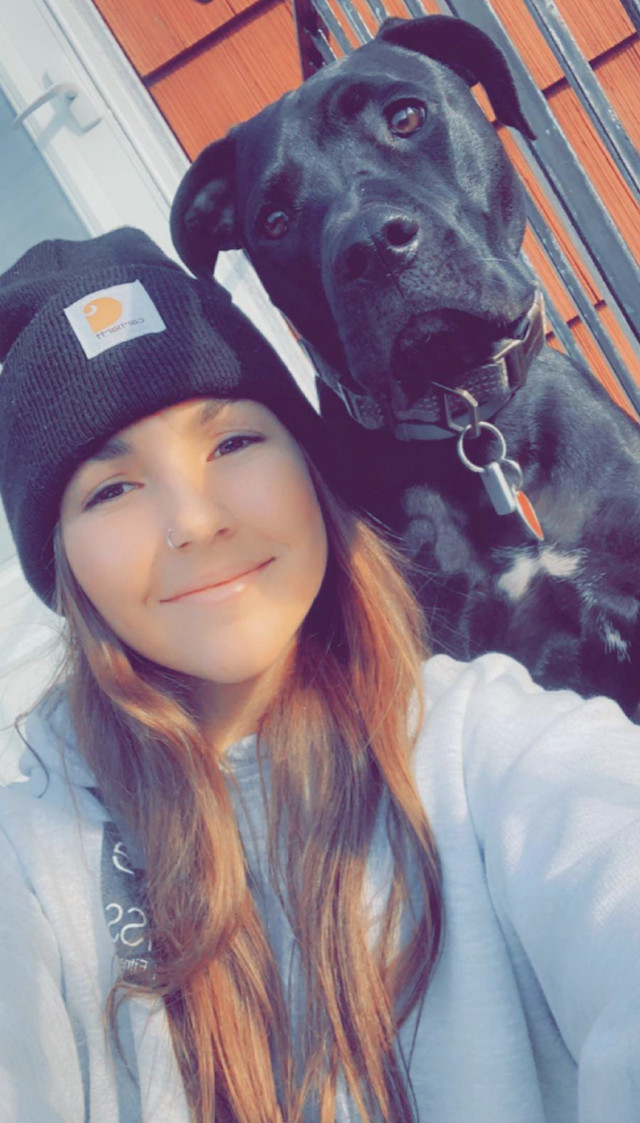
Thayer regularly brings Indy into work to comfort elderly and disabled residents. Her visits became especially appreciated during COVID restrictions, when her company meant even more to people in the building. That helps explain why residents knew exactly who had shown up at the door and why they were ready to let her in.
The whole episode also gave Indy a new title. Hourigan was so impressed by the dog's self-directed commute that she named her employee of the month, a fitting honor for a dog who apparently takes attendance seriously enough to report in even when her person is out of town.
Thayer was left marveling at the route Indy must have taken and how quickly she managed it. She wrote that the dog had navigated from Chester to Kirtland Commons in Deep River and said she was counting her lucky stars that Indy made it back home safely. She also thanked the many people who looked out for both of them.
Indy's dash to work was not part of anybody's plan. But for dog lovers, it is hard not to see the appeal of a story like this: a dog who missed her person, trusted her own map, and headed for the place where the two of them are usually needed together.
How dogs find familiar people and places
Dogs do not need a map in the human sense. Many navigate through scent, routine, and memory. A familiar route can be stored as a chain of smells, sights, sounds, and turns. Some dogs also learn where a person usually goes, especially if the route is repeated often enough.
Scent is a big part of this. Dogs can follow a trail left by shoes, car doors, other animals, and even the general smell of a place they know well. They also notice landmarks such as buildings, gates, intersections, and the sound of traffic or machinery. A confident, social dog may keep moving until it reaches a place that feels associated with safety or reunion.
Why dogs wander, and how to reduce the risk
Dogs usually roam for ordinary reasons. Curiosity, boredom, fear, mating behavior, chasing wildlife, or a break in routine can all send a dog farther than expected. Some breeds and individuals are especially driven to explore or track scents.
The most useful prevention is layered. Check fences and latches often. Use a well fitted collar or harness. Keep identification tags current and easy to read. A microchip helps if the collar comes off, but only if the registration details are up to date. Practice recall in low distraction settings before expecting it outdoors. Mental exercise matters too. Sniff walks, training games, and food puzzles can reduce the urge to seek excitement elsewhere.
What to do if a dog goes missing
Act quickly, but stay methodical. Start with the places the dog already knows: home routes, walking paths, a favorite park, a regular car stop, a familiar friend’s house, or a workplace visited before. Bring high value treats, use a calm voice, and avoid turning the search into a chase, which can push a nervous dog farther away.
Leave an item with a familiar scent near home, and ask nearby businesses or neighbors to keep an eye out. Share a clear photo and simple contact information. If the dog is shy, tell people not to corner it. For dogs that bolt or roam repeatedly, consider extra management such as double leashing, a gate at the front door, and training around exits and car loading.
Share this article:





