
Why Dogs Are Suddenly Obsessed With Netflix's Sealook, From Rio the Golden Retriever to a Whole Wave of Canine Viewers

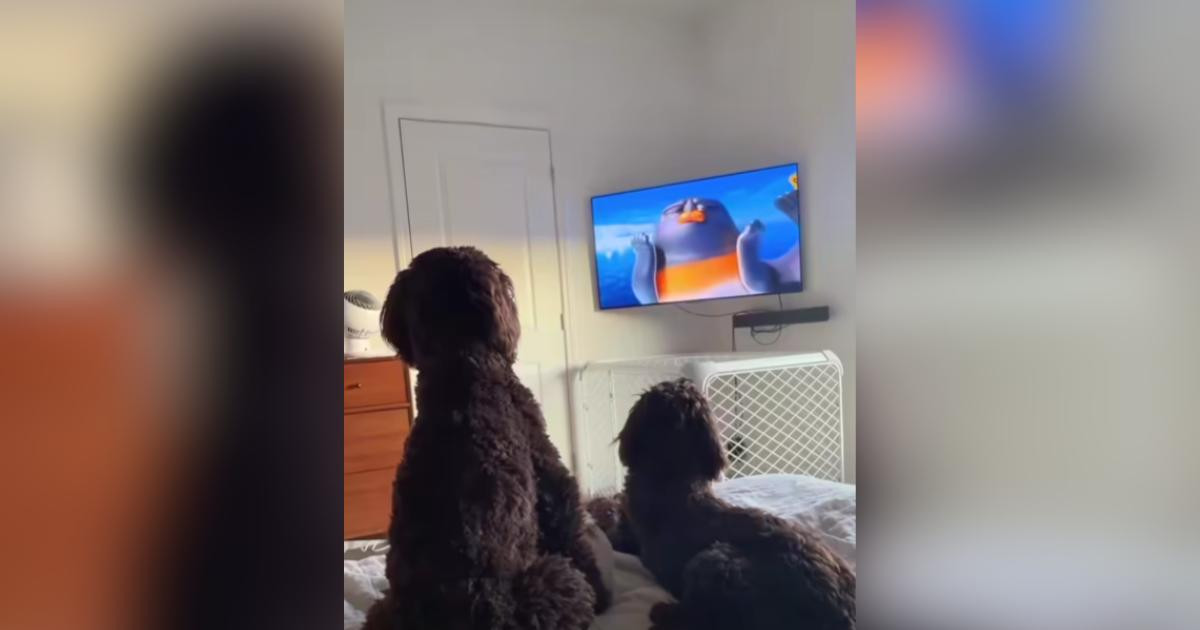
Rio, a Golden Retriever, did not treat Sealook like background noise. When his family put on the animated Netflix series to see what he would do, he fixed on the screen, moved closer, and followed the seals as they zipped around. He is far from the only dog doing it. Across social media, dogs are turning an unlikely children's cartoon into a small canine phenomenon, with pups watching as if the latest seal mishap actually matters.
A dog, a TV, and a very specific new obsession
There are plenty of videos online of dogs reacting to televisions, but Sealook has carved out its own lane. The pattern keeps repeating itself. A dog notices the show, stops whatever else seemed important, and starts watching animated seals waddle, slide, bounce, swim, and blunder through one bit of trouble after another.
Rio's reaction fits that pattern neatly. His family put on the show as a test, expecting to find out whether he would care at all. Instead, he watched closely, edged nearer to the screen, and visually tracked the movement of the animated animals. For a lot of dog owners, that kind of response is the entire appeal of the trend. It is funny, a little odd, and specific enough to make people wonder what exactly these seals are doing right.
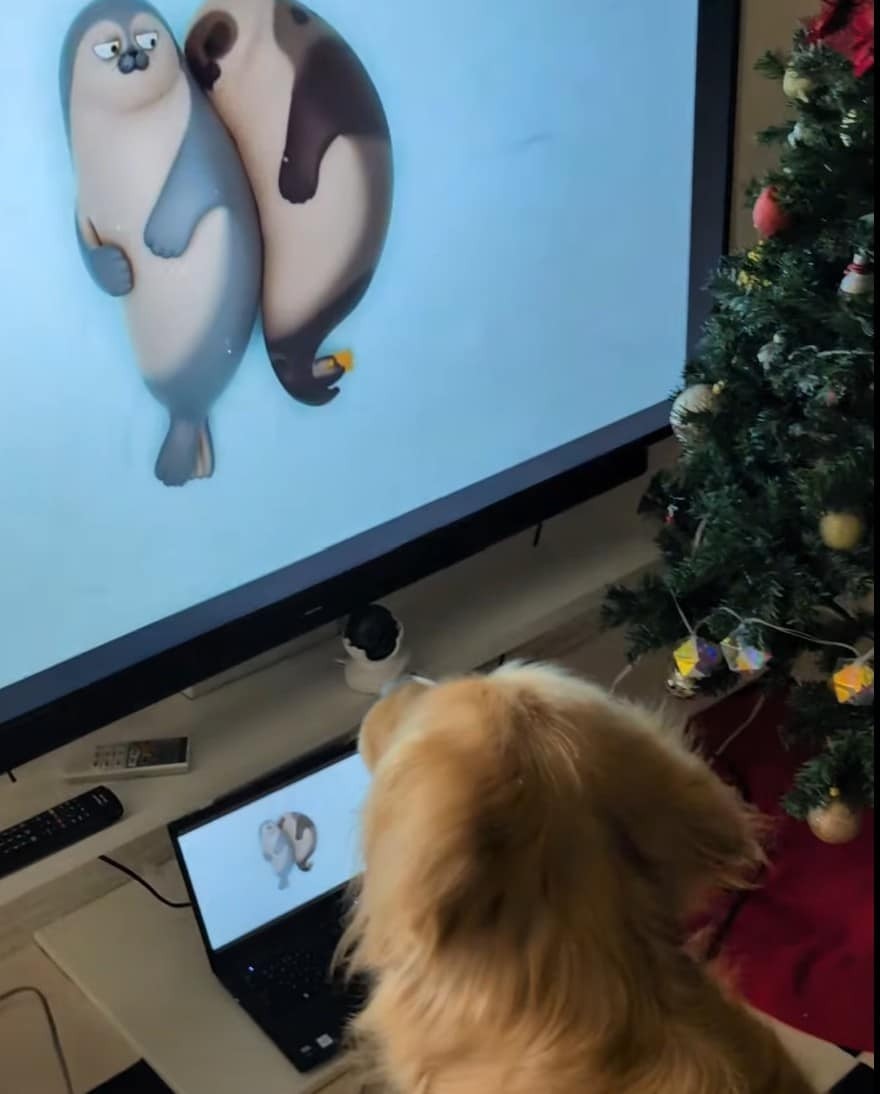
Other families have been posting similar moments. Pugs, Sheepadoodles, Golden Retrievers, and other dogs have all shown up as part of the same unexpected audience. Some take it in from the couch. Others position themselves right in front of the television, as if the best place to keep up with the seals is from a few feet away.
What Sealook actually is
The series itself was not built as programming for pets. Netflix places Sealook in its children's lineup and describes it as a short-form comedy about a group of playful seals living together in a wildlife sanctuary. The humor comes from their different personalities and the trouble they get into.
On paper, none of that sounds like a recipe for a dog craze. It is an animated kids' show, not a pet video collection or a special feature designed for animal attention spans. The series has also been around since 2023, which makes the current wave of canine interest feel even more accidental.
That is part of what makes the trend so charming. Humans were not exactly sitting around asking whether seals in a children's cartoon would become must-watch content for household dogs. Yet the answer, for at least some of them, appears to be yes.
The theory going around, and the part that is not proven
As the clips have spread, one explanation has followed them around. A viral claim on social media says Sealook was created using colors meant specifically for dogs and cats.
It is a tidy theory, but it does not match the basic origin of the show. Sealook was not originally made as television for pets. Its home is children's programming, and the growing pile of dog reactions looks more like an unexpected second life than the original plan.
That does not mean the theory has no reason to exist. It just means there is a difference between saying a show was purpose-built for pets and saying some of its visual traits may happen to work well for them. Those are not the same thing, and the available information supports the second idea much more than the first.
Why some dogs may find it hard to look away
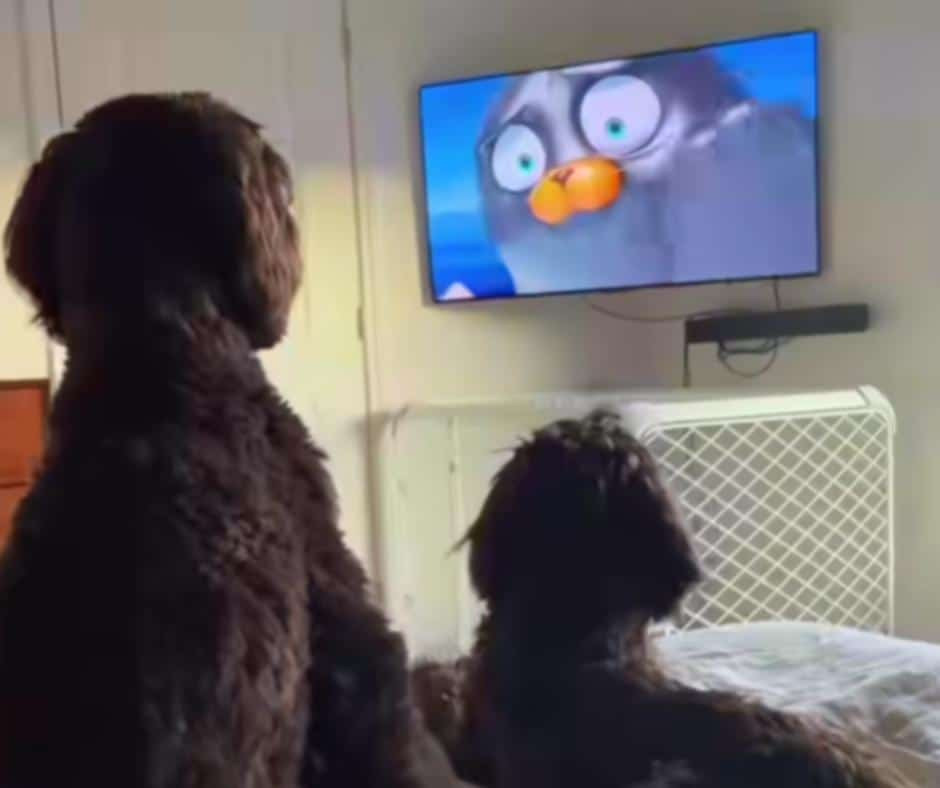
One reason Sealook may stand out for dogs is the way dogs see. They are not living in a black-and-white world, but their color vision is more limited than a person's. Dogs are dichromatic, which means they see a narrower range of colors.
Blues and yellows tend to register well for them. Reds, oranges, and greens do not appear the same way they do to human viewers. Sealook happens to lean into scenery that includes cool blues, icy-looking backgrounds, and strong contrast, with animated characters moving clearly across the frame. That does not prove color is the reason dogs are watching, but it makes the fascination less mysterious.
Motion may be an even bigger piece of the puzzle. Dogs are good at noticing movement, and this show supplies it constantly. The seals slide, bounce, swim, waddle, and dart around in ways that give a dog plenty to follow.
Sound could add another hook. Along with the constant action, the series includes unusual animal noises. For a dog already inclined to notice animals on a screen, that combination of movement, contrast, and sound may be enough to hold attention well beyond the quick glance many pets give a television.
Not every dog is joining the fandom
Even with the trend growing, Sealook is not a guaranteed hit in every living room. Some dogs may look up, assess the seals, and decide there are better uses of their time. A nap may win. A toy may win. A snack may win. A suspicious sound outside may definitely win.
Dogs have individual preferences, and television interest varies widely from one animal to the next. A dog that already reacts to animals on screen, follows balls across the TV, or perks up at sounds from a show may be much more likely to engage. Another dog may treat the television the same way it always has, as a glowing object that belongs to humans and has nothing to do with dinner, walks, or squirrels.
That unpredictability is also part of the fun. Owners do not really know which way it will go until they try it. One dog may stare blankly and move on. Another may lock in so quickly that the household suddenly has a new opinion about what should be playing on Netflix.
The late payoff for dog owners is simple
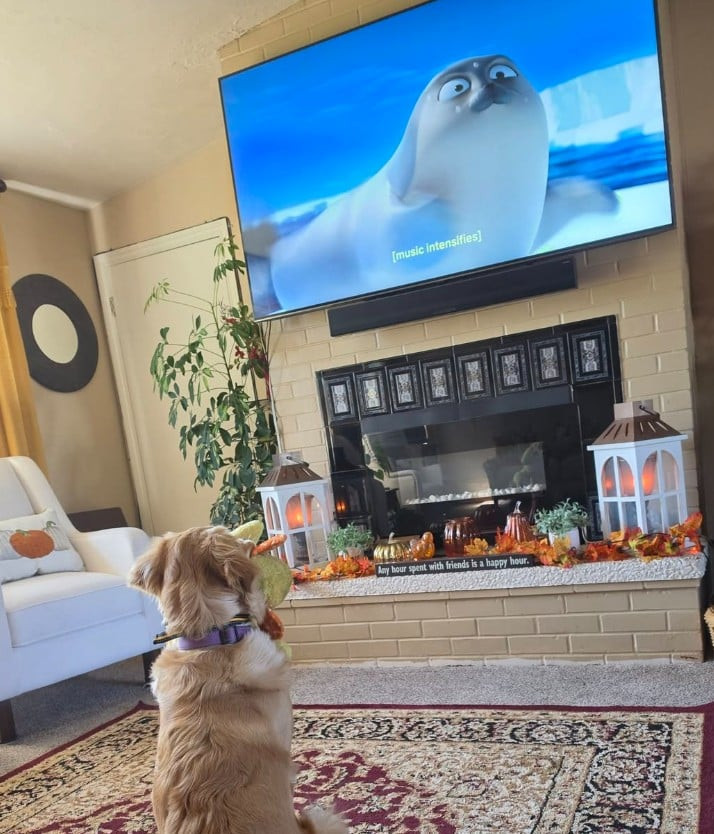
For people who love dogs, the best part of the Sealook wave is not that it solves some major mystery about animal media. It is that it creates a tiny shared ritual. A person presses play on a goofy seal cartoon, looks over, and discovers whether the dog in the room is about to become invested.
Rio delivered the version every owner hopes for when a trend like this comes along. He did not merely notice the screen. He seemed to commit to it, moving in and tracking the animated seals as they went about their business. Across social media, enough other dogs are doing something similar that the pattern no longer looks like a one-off joke.
Sealook was not designed as a canine streaming event, and there is no evidence every dog will be drawn to it. Still, the blue-heavy visuals, sharp contrast, busy motion, animated animals, and unusual sounds offer a reasonable explanation for why some of them are.
That leaves dog owners with a very small, very low-stakes experiment. If a dog already has a habit of noticing animals on television, Sealook may be worth trying. Just be prepared for the possibility that the dog ends up taking a stronger interest in the remote than anyone expected.
Share this article:





