El Paso kitten rescued from storm drain finds a forever home and a new brother

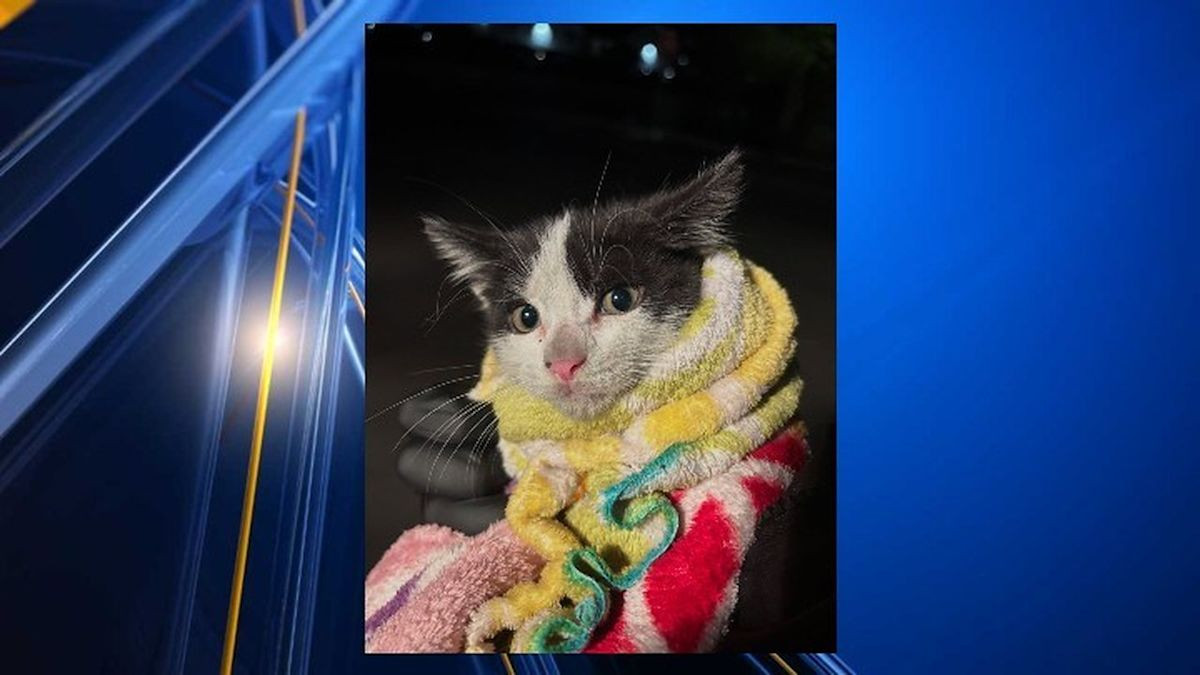
A little kitten crying from inside an El Paso storm drain set off the kind of rescue cat people know by heart: a concerned neighbor, a careful plan, and one curious step into safety. By the end of it, the same kitten that had been tucked out of sight was in Animal Services care and on his way to a permanent home.
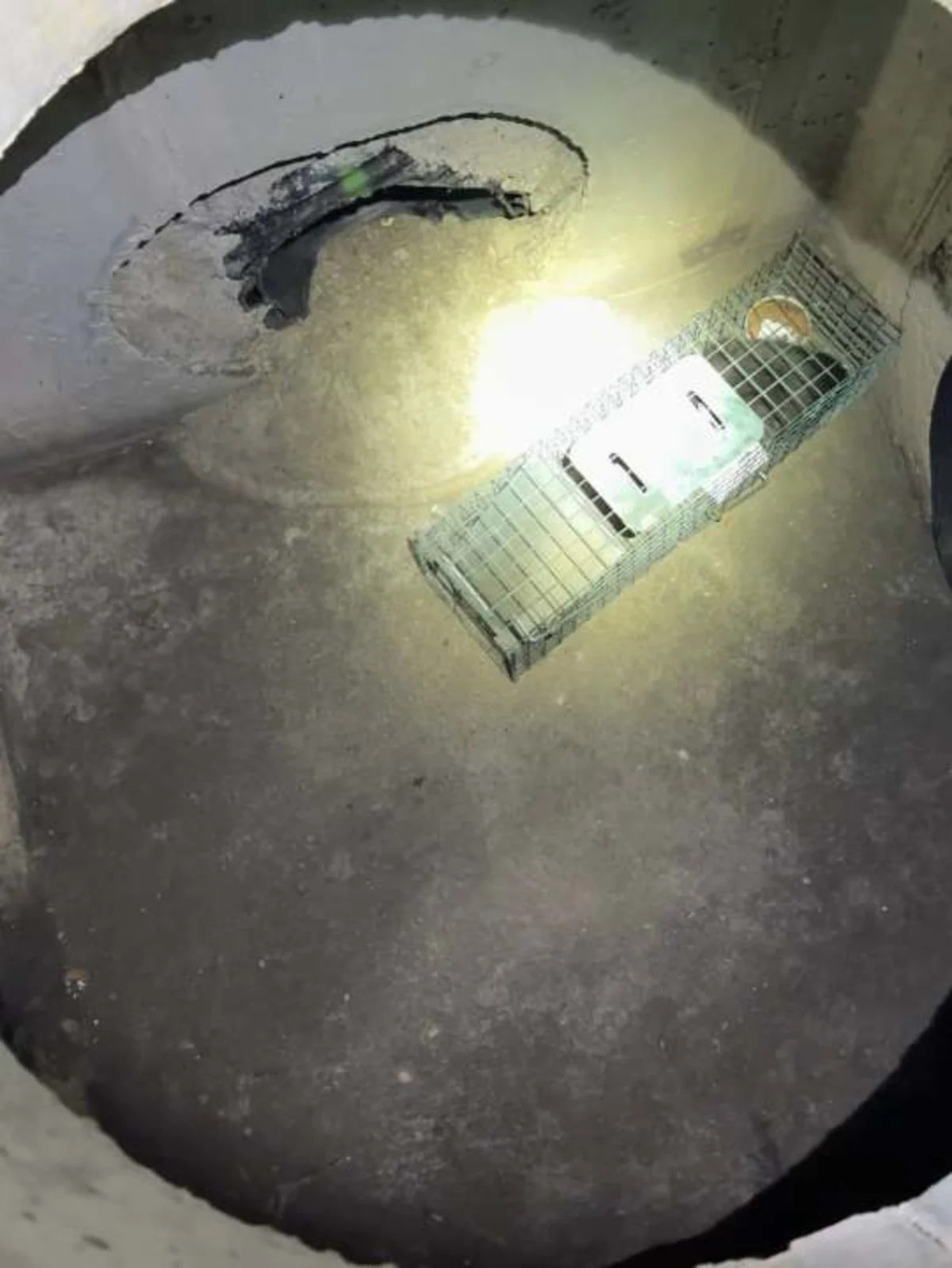
The moment that changed everything was quiet. Officers with El Paso Animal Services arrived after a community member heard a kitten crying from a storm drain and asked for help. Instead of rushing in, they placed a trap near the drain and waited for the kitten to make the next move.
That patience worked. Animal Services said the kitten, described as curious, eventually went into the trap, allowing officers to bring him out safely.
For cat people, it is the sort of scene that can feel surprisingly suspenseful. Nothing flashy, just a tiny voice from a hard-to-reach place and a rescue that depends on timing, calm, and a little feline curiosity. In this case, the city later pointed to two things that made the save possible: one person noticing the sound and deciding to act, and officers staying with it until the kitten gave them an opening.
A tiny story in a very busy week
Animal Services said the storm drain rescue was only one of nearly 600 calls for service its officers responded to last week. That detail gives the kitten's story extra texture. Among hundreds of requests for help, one began with crying from below ground and ended with a safe recovery.
After he was rescued, the kitten spent time at the Animal Services shelter receiving care. The update did not turn him into a larger-than-life character, and it did not need to. The basics were enough to make the ending land: he was out of the drain, in a secure place, and being looked after.
From shelter care to a home
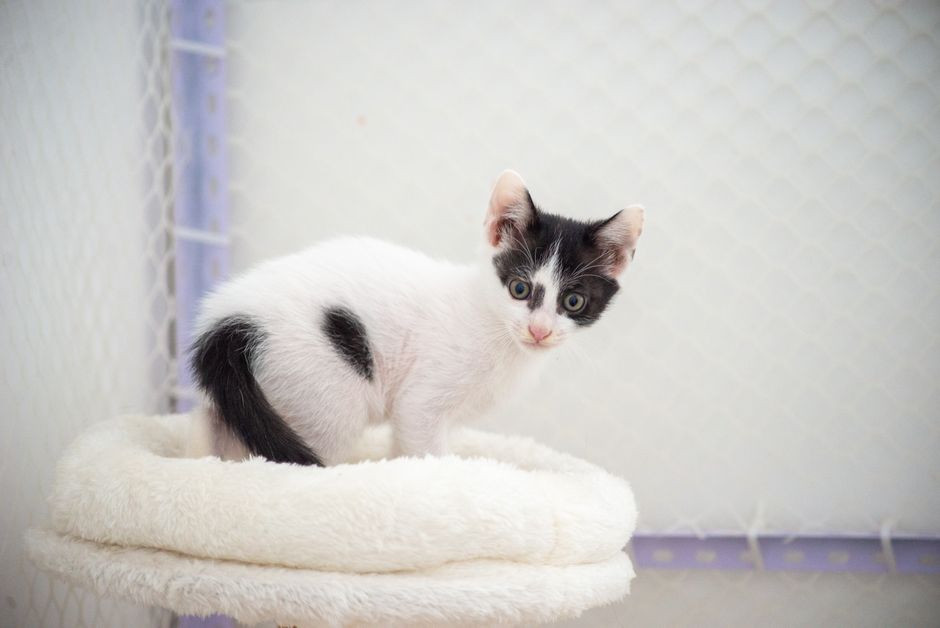
Animal Services later shared the part every cat lover hopes for. The kitten had officially found what the department called his forever home.
The shelter said he is now safe and sound, and that he has also gained a new brother. It is a sweet final note for a kitten whose story started with his cries echoing from a storm drain and ended in a household waiting for him.
The department also used the rescue to thank the community member who spoke up and the officers who carried out the save. Its takeaway was simple: sometimes one phone call can change an animal's life.
For people in El Paso who encounter an animal-related concern, the city said to call 311. Emergencies should go to 911. For this kitten, one call made all the difference.
Why kittens end up in drains
Storm drains can attract kittens because they offer shade, warmth from surrounding surfaces, and small openings that seem easy to explore. Once inside, steep walls, rushing water, noise, and confusing echoes can make it hard for a kitten to climb out or even cry from the right spot.
If you hear a kitten near a drain, keep the area calm and quiet first. Listen carefully to pinpoint the sound, and look from a safe distance for an opening the kitten might approach. Do not climb into a drain or lift heavy covers yourself. Wet surfaces, poor air, and sudden water flow can be dangerous. Contact local rescue, animal services, or city maintenance, and stay nearby so you can guide them to the right location. If traffic is present, focus on keeping people and pets back rather than trying a risky grab.
What a rescued kitten needs first
A rescued kitten usually needs warmth, quiet, and a small safe room before anything else. Chilled kittens may not be ready to eat right away, so gentle warming with blankets and a wrapped warm pack can help while you arrange professional advice. Offer shallow water and kitten food, and use a low sided litter tray that is easy to find.
Watch for warning signs such as labored breathing, discharge from the eyes or nose, severe lethargy, or trouble standing. Fleas, dehydration, and upper respiratory illness are common in outdoor kittens. A veterinary check is the safest next step, especially if the kitten seems very young. If you find a tiny kitten outdoors and it is not in immediate danger, it is often wise to check whether a mother cat is returning before removing it, because very young kittens do best with their mother whenever possible.
Introducing a new kitten to a resident cat
A new kitten and a resident cat usually do better with a slow introduction than with an instant meeting. Start with separate spaces. Let them smell each other through bedding, toys, or a cloth rubbed on the cheeks. Feed them on opposite sides of a closed door so they pair the other cat's scent with something pleasant.
When both seem relaxed, try short visual meetings through a barrier, then brief supervised time together. Keep sessions calm and end before either cat gets overwhelmed. Hissing, staring, hiding, swatting, or refusing food can mean the process is moving too fast. Give each cat its own resting places, scratching spots, food area, water, and more than one litter tray. Play helps, too. A tired kitten is often a politer roommate. Patience matters more than speed, and many pairs settle best when they are allowed to build trust gradually.
Share this article: