
Abandoned Cat Found in Crate Behind Evansville Gas Station, Police Say

A small cat in a crate behind a gas station trash can is the kind of discovery that makes cat people pause. In Evansville, Indiana, police say that is exactly what an officer found after being flagged down at a Circle K on Washington Avenue.
According to Evansville Police Department officials, the officer was approached Wednesday at the Circle K in the 1100 block of Washington Avenue. Police said the cat had been left in a crate behind a trash can at the station.
Officials said the animal was a small cat. Inside the crate, the officer also found feces and an empty water bowl, according to the police report.
Police said the cat was taken to Animal Control. Officials also said an incident report was filed.
The details released publicly are brief, but they sketch a plainly troubling scene: a cat confined in a crate, with no water left in the bowl, discovered only because someone alerted an officer nearby. For readers just catching up, that is the full outline authorities have shared so far. The cat is now out of the crate and in Animal Control's hands, while police have documented the case in an official report.
Why a crate matters
A pet crate or carrier is meant to keep a cat contained and safer during transport, vet visits, or emergencies. It can also reduce panic by giving the cat a small, covered space to hide in. But a crate is only a short term tool. Cats left confined without water, shade, airflow, or a clean surface can overheat, dehydrate, soil themselves, and become highly stressed.
A frightened cat may look quiet and still, then suddenly bolt or lash out. That is normal defensive behavior, not a sign of aggression.
What to do if you find a confined cat
Start by checking for immediate danger. Move the crate only if the area is unsafe, and keep it level and secure. Put it somewhere calm, shaded, and away from traffic, dogs, and loud noise. Speak softly and avoid opening the door outdoors unless the crate is damaged and escape is impossible to prevent.
Offer water if you can do so safely. Do not force food right away if the cat is panting, collapsed, or in obvious distress. Contact a local shelter, animal control service, rescue group, or veterinary clinic for next steps. If the cat seems injured, weak, very hot, very cold, or unresponsive, seek urgent veterinary help.
If you cannot keep a cat
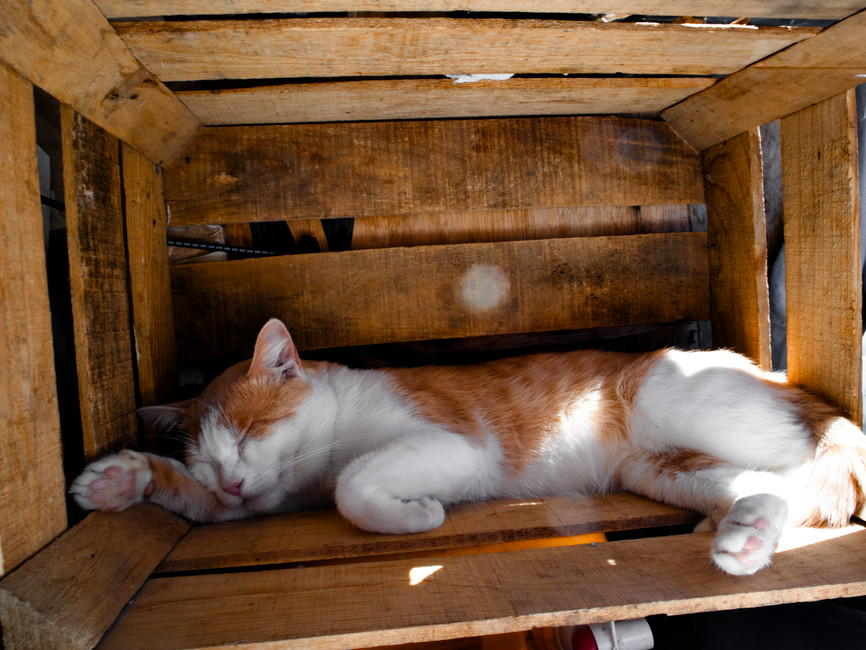
Abandoning a cat is dangerous even if food, bedding, or a carrier is left behind. Indoor cats may be poor at finding safe shelter, avoiding cars, or escaping predators. Stress can also make even a friendly cat hide, stop eating, or become ill.
If someone needs to give up a cat, safer options usually include calling shelters, rescue groups, veterinary offices, or community rehoming networks. Ask about surrender procedures, foster help, behavior support, and temporary pet food aid. A bit of planning can greatly improve a cat's chances of staying safe.
Share this article:





