Evansville firefighters rescue 2 cats and other pets from Stinson Avenue house fire

Two cats were among the pets brought to safety after a house fire in Evansville on Friday morning. Firefighters say one of the cats needed vital medical aid and was revived at the scene, turning a frightening call into a small but meaningful rescue for one household.
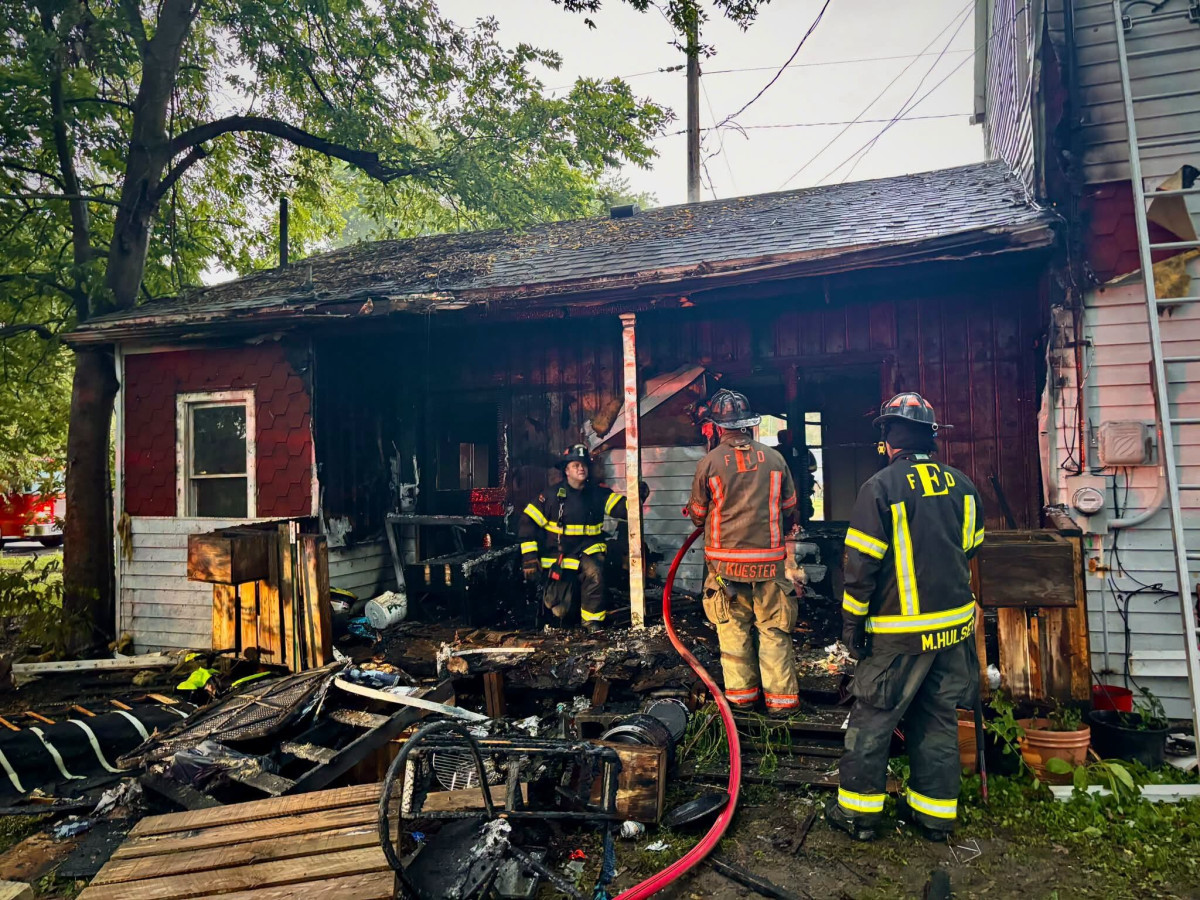
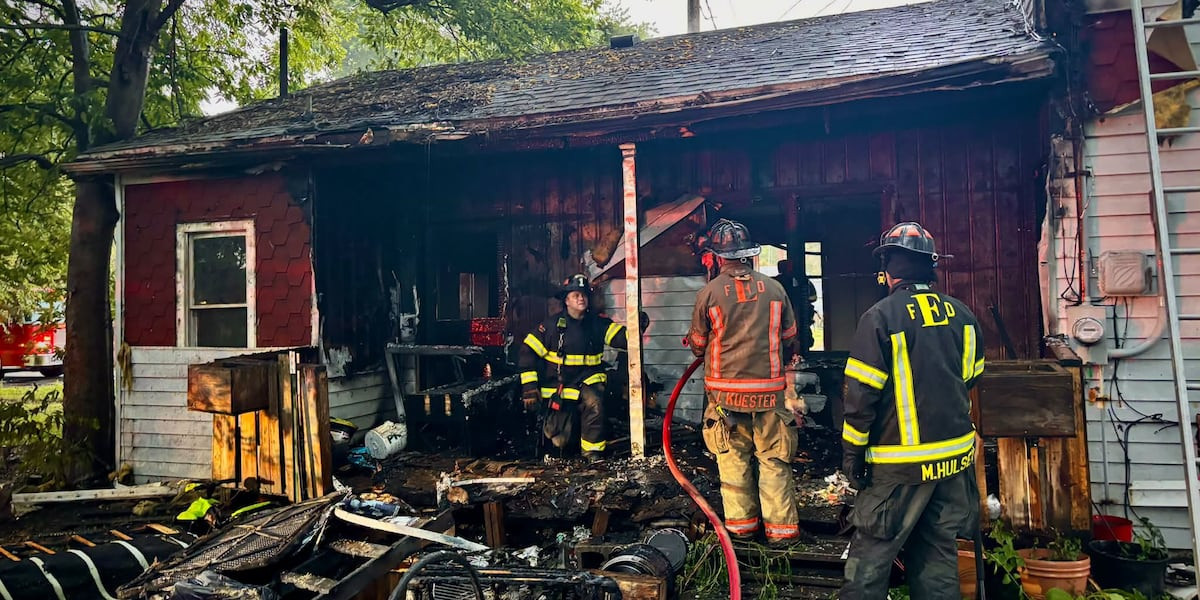
The fire department says crews were sent to the 1800 block of Stinson Avenue after a resident reported that their home was on fire. A second caller also told dispatchers the residence was in flames. When firefighters arrived, they found heavy fire coming from the back of the house.
Crews brought the fire under control in less than 30 minutes, according to officials. Everyone living in the home had already made it out before firefighters arrived, but the fire still forced four adults and five children from the house. The American Red Cross was called to help the displaced residents.
For animal lovers, the rescue effort included a long list of pets. Firefighters say they got two dogs, three ferrets, a snake and two cats out of the home. One of the cats required vital medical aid and was successfully revived on scene.
Officials say one civilian was injured. No firefighters were reported hurt. The cause of the fire is still under investigation, and authorities say more information will be released as it becomes available. They are also asking the public to continue avoiding the area.
Why pets are hard to find in a fire
Cats and other small pets often react to smoke, heat, alarms, and unfamiliar voices by hiding. A cat may squeeze behind furniture, inside closets, under beds, or into wall and cabinet gaps. Dogs may bolt, freeze, or circle near an exit. Birds, rabbits, and reptiles can be especially vulnerable because they cannot move away quickly or may be kept in enclosed habitats.
That is why firefighters and neighbors are often told to look low, check usual hiding spots, and close doors behind them if it is safe to do so. After any evacuation, keep rescued pets secured in a carrier, crate, or on a leash. Frightened animals can run back toward danger or escape into the street.
What smoke does to pets
The biggest danger is often smoke, not flames. Pets can breathe in soot and hot gases very quickly, and signs of trouble may include coughing, open mouth breathing, weakness, bright red or very pale gums, or unusual sleepiness. Some animals seem alert at first and worsen later.
Any pet exposed to smoke should be checked by a veterinarian as soon as possible, even if it looks mostly normal. If the coat is singed or paws are burned, avoid home remedies. Wrap the pet in a clean towel, keep it warm and quiet, and seek care.
Simple fire planning for cat households
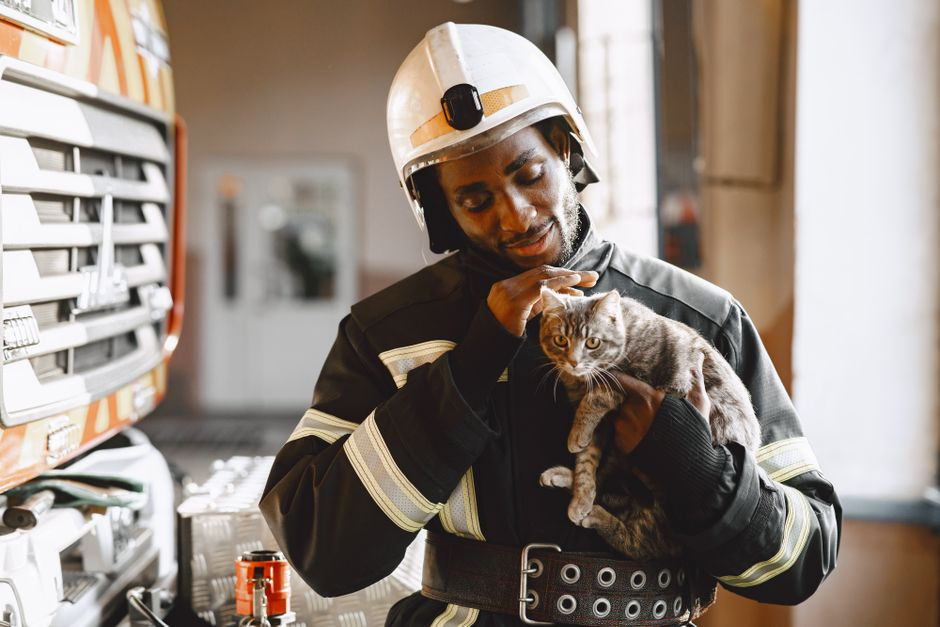
A little preparation can save precious time. Keep carriers where they are easy to grab, not buried in a closet or garage. Practice getting your cat into a carrier using treats so the carrier is not only associated with stressful trips. Put an identification tag and current microchip details on every pet.
It also helps to place a pet alert sticker near an entry, keep a leash or spare carrier by the door, and know your cat's favorite hiding spots. If alarms sound, leave first if conditions are dangerous, then tell responders how many pets are inside and where they usually hide.
Share this article: