First Known Feline Marfan Syndrome Cases Found in Cat Brothers Gary and Shaggy

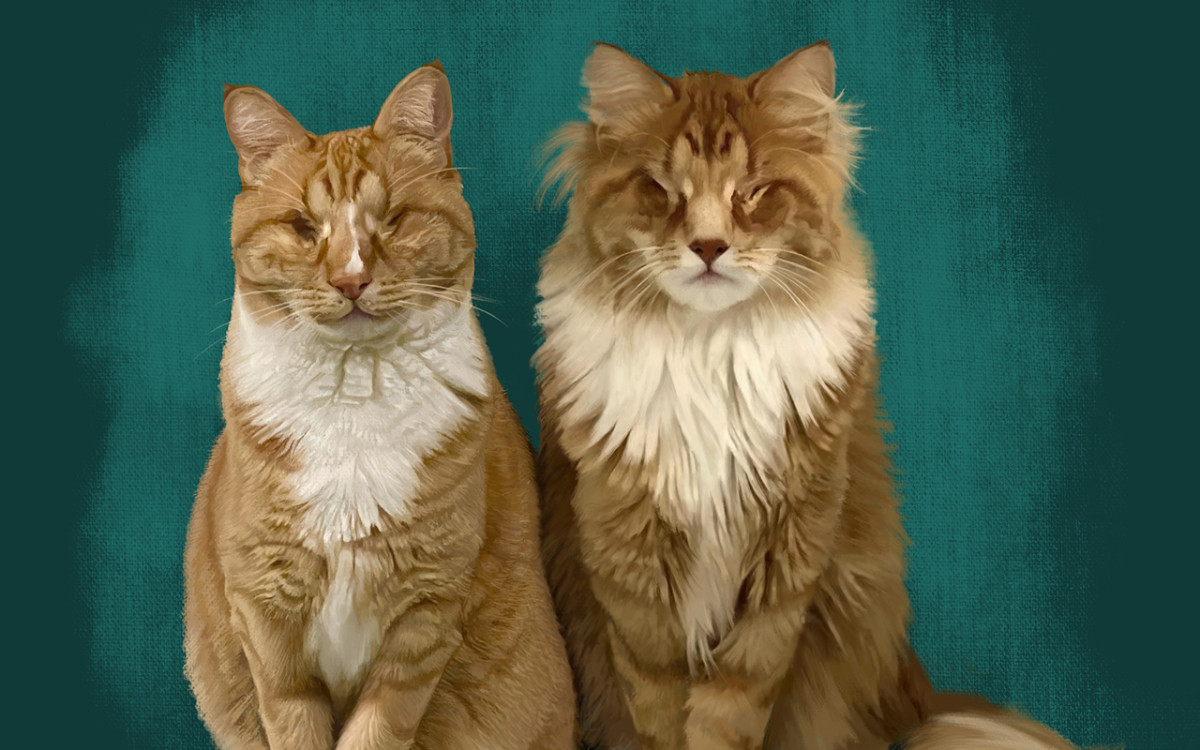
Two domestic cat brothers named Gary and Shaggy have become the first known documented feline cases of Marfan syndrome, a rare inherited disorder better known in people. Researchers say the discovery ties the cats' long limbs, eye changes and enlarged aorta to alterations in a connective tissue gene called FBN1.
A rare diagnosis starts with two kittens
Gary and Shaggy first stood out as kittens because their limbs were noticeably longer than expected. Later examinations added more clues. Veterinarians found problems involving structures of the cats' eyes, along with enlargement of the aorta, the body's main artery. Taken together, those signs pointed toward Marfan syndrome.
Marfan syndrome is an inherited disorder that weakens connective tissues. In people, it is considered rare, affecting about 1 in 4,000 individuals. It is seen mostly in humans, which is one reason this case caught such close attention. According to the researchers, these brothers represent the first known documented case in cats.
The work was described in a paper published in the Sept. 19 issue of Scientific Reports. The team behind it said the finding could help veterinarians spot similar cases in the future, which matters because a cat with unusual body proportions might now prompt a closer look at the eyes, heart and blood vessels.
How the team tracked down the cause
The case brought together veterinary specialists and genetic experts from Cornell University College of Veterinary Medicine and the Baker Institute for Animal Health, along with collaborators at Ghent University in Belgium, the University of Pennsylvania and the Schwarzman Animal Medical Center in New York City.
Researchers paired careful clinical evaluations with genetic sequencing to look for the source of the brothers' condition. Their search led them to FBN1, the gene linked to a protein called fibrillin-1. That protein helps form connective tissues throughout the body, including in blood vessels, bones, ligaments, skin and eyes.
That fit the cats' medical picture. Marfan syndrome is known for affecting multiple body systems because connective tissue shows up in so many places. In Gary and Shaggy, the genetic finding gave the team a molecular explanation for the features veterinarians had already observed.
Why these two cats are especially unusual
The brothers each carried two altered copies of FBN1, which means they inherited a changed copy from each parent. That is an unusual result. In humans, a single altered copy of FBN1 can be enough to cause Marfan syndrome, and having two altered copies is described as extremely rare.
Researchers found another twist in the cats' case. Their particular variant did not fully switch off the gene. Instead, it partly disrupted how the gene's instructions are processed, leaving some normal function intact. The team said that helps explain how Gary and Shaggy survived into adulthood even though two altered copies of this kind of variant might otherwise have led to more severe disease.
The researchers also said the discovery shows what can happen when pet parents work with veterinary and genetic experts on an unusual case. Beyond these two brothers, the hope is practical: if another long-limbed cat with similar eye or aortic changes turns up, veterinarians now have a clearer genetic lead to follow.
Share this article: