
Anubis the Former Guard Dog Who Lost His Nose Finds Love With a Foster Family

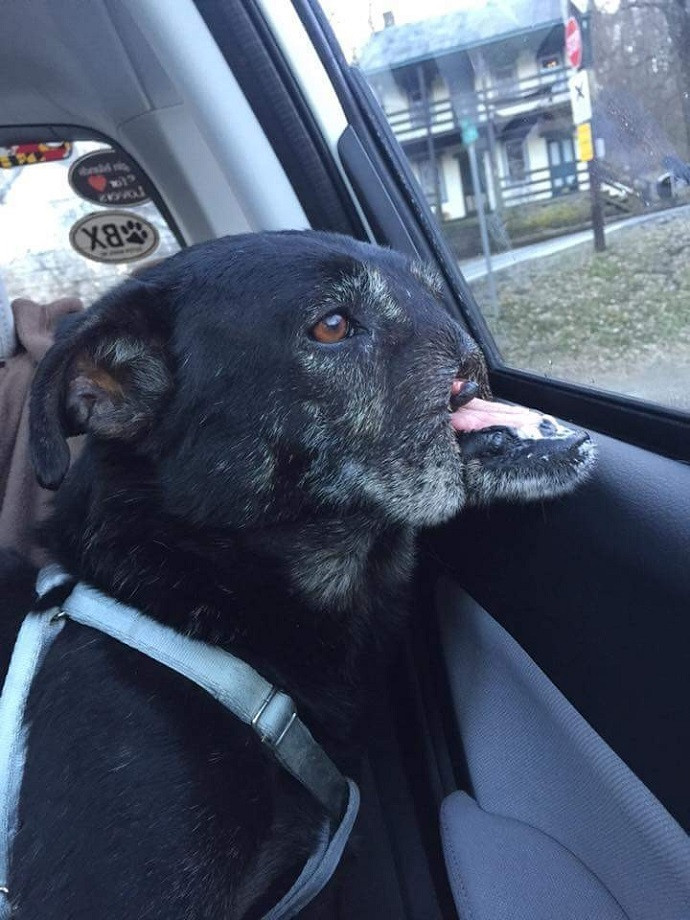
Anubis was doing the job he had been given on a property in Cairo when everything changed. He barked at people trying to break in, and the attack that followed left him without his nose and without the life he had known.
Before his rescue, Anubis had been used as a guard dog. He barked at people who came too close to the property he was protecting, and when intruders tried to get in, he reacted the same way. According to his rescuers, those people cut off his nose.
The injury changed everything. Without his nose, Anubis lost his job. He ended up on the streets, where he was struggling to get by. He was sometimes seen sleeping under a car, a detail that says a great deal about how precarious his situation had become. He needed someone to step in.
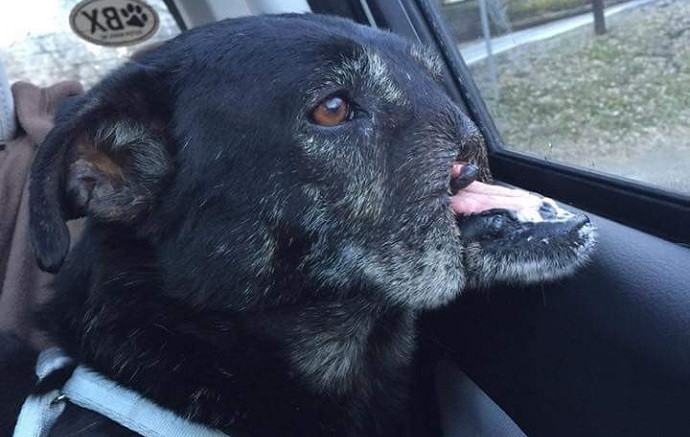
From Cairo to several stops in the United States
Help first came from the Animal Protection Foundation, a local organization that got involved when Anubis needed rescuing. Another group, Special Needs Animal Rescue and Rehabilitation, or SNARR, also took up his case. SNARR is based in the United States, and with the help of many volunteers, the group was able to bring Anubis there.
His route was not a simple one. Anubis spent a week in Maryland, then moved on to Tennessee, and later to Fort Worth, Texas. It was a long trip, but his rescuers said he received plenty of affection at each stop. For a dog who had gone from guarding property to sleeping beneath a car, each handoff brought him closer to something far more secure.
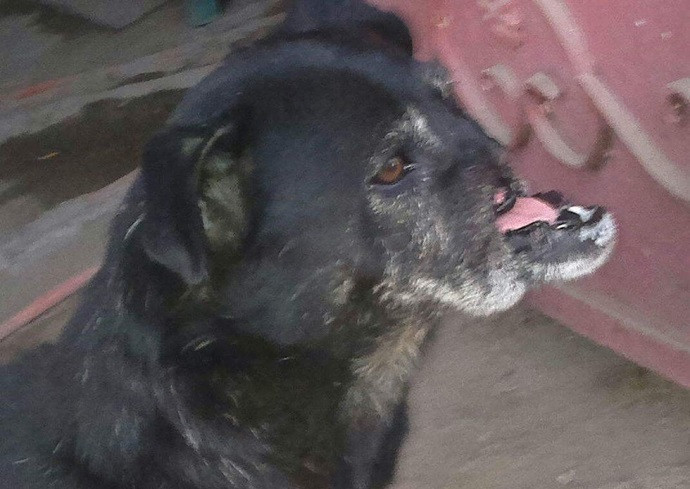
A foster home that may not stay temporary
That journey ended with the part dog lovers wait for. Anubis found a family willing to foster him long term, giving him the basics he had been missing, including shelter, food and steady care, along with the kind of love that turns survival into a real life.
There is also a good sign that this arrangement may last. His foster family is said to be deeply attached to him, enough that his story already sounds like it could become a classic foster failure. Anubis seems just as taken with his new household. He has bonded with the family's blind rescue dog too.
After everything that happened to him in Cairo and on the street, Anubis is now in a place where he is safe, happy and loved. For a dog whose story began with harm for simply doing his job, that ending is the one that matters most.
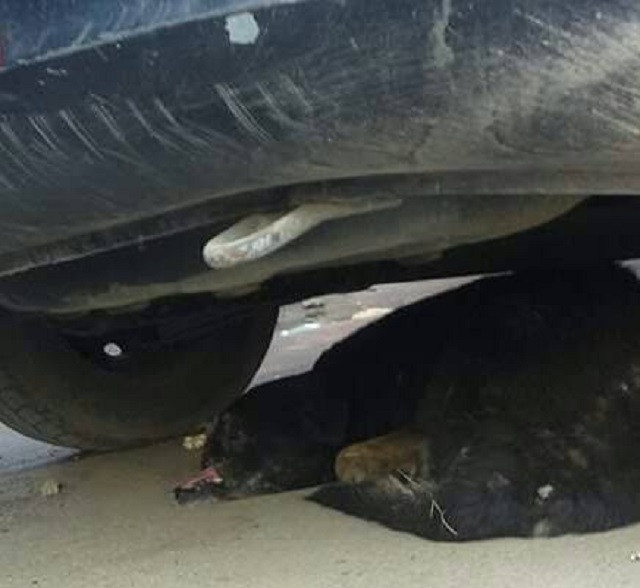
How dogs cope with facial injuries or the loss of part of the nose
A dog can often adapt surprisingly well after losing part of the nose or having other facial injuries. The nose is important for scent work, cooling, and everyday exploration, but many dogs learn new ways to eat, rest, and move through the world when pain is controlled and the wound is stable.
What matters most is veterinary follow up. Dogs with facial trauma may need ongoing checks for breathing comfort, skin irritation, dental problems, and signs of infection. At home, practical changes can help: use shallow food and water bowls, keep living areas free of dust and strong cleaners, and watch closely in hot weather because some dogs with altered airways may struggle more with heat.
Quality of life is usually judged by daily comfort and behavior, not appearance. A dog that eats, sleeps, seeks attention, and enjoys walks or play can still have a rich life. Anyone considering adopting a dog with facial differences should ask about long term care needs, medication, and any limits on exercise or rough play.
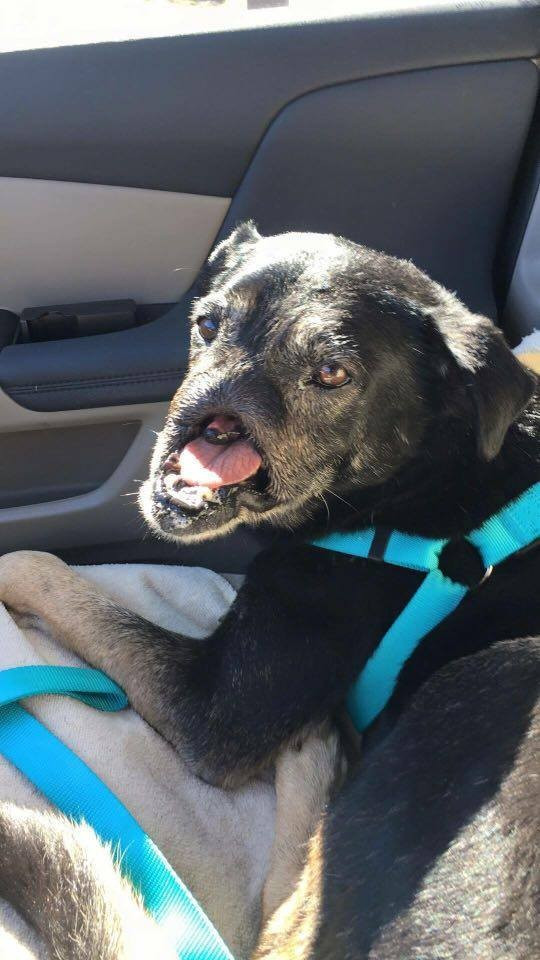
What fostering is for
Fostering gives a dog a temporary home while a permanent match is found or while medical and behavioral needs are sorted out. It is especially useful for dogs recovering from injury, stress, or big life changes because a home is often calmer and more revealing than a kennel setting.
A foster home helps rescuers learn what a dog is really like. Basic questions become easier to answer: Is the dog comfortable with visitors, stairs, other pets, grooming, or being left alone for short periods? That information makes future placement safer and easier.
If you want to foster, ask in advance who covers veterinary care, food, training help, and emergency decisions. Keep notes on appetite, energy, bathroom habits, triggers, and routines. Even a short foster stay can teach a dog that home life is predictable and safe.
Helping a former working or guard dog settle into family life
Dogs bred or trained for guarding may enter home life with habits that once had a purpose. They can be watchful, quick to react to movement near doors or fences, or unsure how to relax indoors. Transition usually goes best with structure rather than force.
Start with a simple routine for meals, walks, rest, and quiet time. Give the dog a safe place to retreat, reward calm behavior, and avoid overwhelming introductions. Use secure leashes, gradual exposure to new people, and clear household rules that everyone follows.
If a dog shows persistent fear, intense guarding, or difficulty handling everyday situations, bring in a qualified trainer or behavior professional who uses humane methods. Patience matters. Many dogs soften dramatically once they learn that they no longer have to be on duty all the time.
Share this article:





