
Former NFL Player Sentenced After 190 Dogs Were Seized in Major Oklahoma Dog Fighting Case

Former NFL player LeShon Johnson has been sentenced in a federal dog fighting case that centered on 190 dogs seized from his Oklahoma property. Prosecutors said the operation bred and sold dogs for fighting, turning them into part of a business that reached buyers around the country.
A prison sentence in a case built around dogs used for fighting
Johnson, of Broken Arrow, Oklahoma, was sentenced to 60 months in prison after being convicted at trial on six dog fighting related charges. The sentence also includes three years of supervised release and a $30,000 fine.
Federal officials said the case was not about a short lived scheme. Trial testimony showed that Johnson had been running a large operation since at least 2007, breeding and selling fighting dogs for profit. Jurors also heard that he had already pleaded guilty in 2004 to Oklahoma dog fighting offenses, a history prosecutors pointed to when they described him as a repeat offender.
Officials from the Justice Department and the FBI framed the sentence as a significant accountability moment in a case they said involved organized cruelty. They said the business was built around making animals injure one another and around profiting from that violence.
What jurors heard about the kennel operation
According to the evidence presented at trial, Johnson had previously run a kennel called Krazyside Kennels and later referred to his new operation as Mal Kant Kennels. Prosecutors said that through that business, he bred and trafficked hundreds of dogs intended for dog fighting.
The sales pitch, they said, was built on fight records and bloodlines. Johnson advertised many of his dogs as “champions” or “grand champions,” labels that, in this case, meant the dogs had won three or five fights. Jurors also heard that he promoted the fighting ability of his dogs as part of the business.
The money came from more than one stream. Prosecutors said Johnson sold litters of puppies from what were described as favorable fighting bloodlines. He also collected stud fees, charging for the right to breed with one of his male dogs. Trial testimony put the proceeds from those sales in the hundreds of thousands of dollars.
In the government’s telling, that made the case not only one about animal cruelty, but also about a business model built around it. The U.S. attorney for the Eastern District of Oklahoma said Johnson operated a venture that both encouraged and profited from cruelty to animals.
The number that makes the case stand out
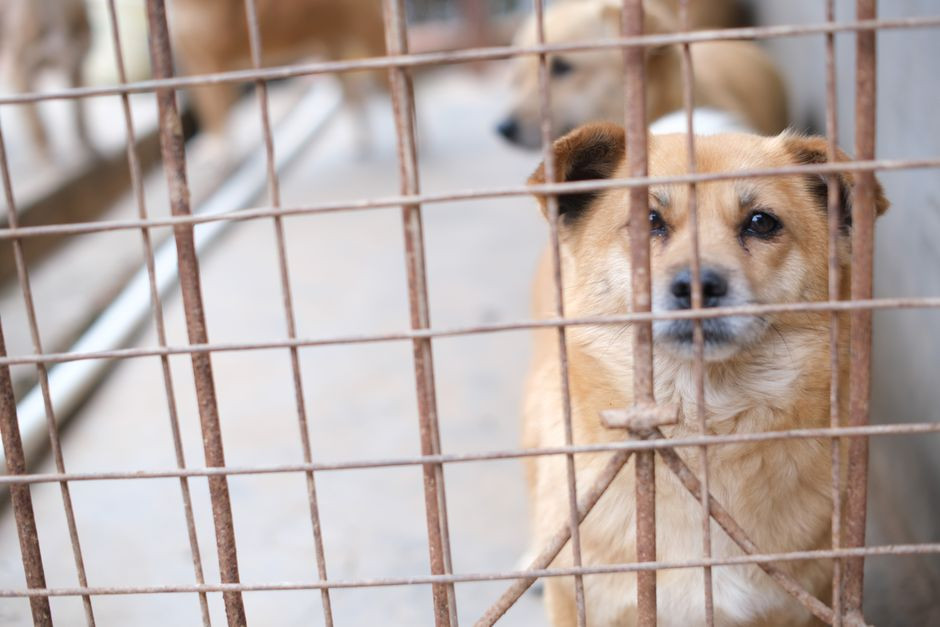
The most striking figure in the case is 190. That is how many dogs authorities seized from Johnson’s property.
Federal officials said that total is the largest number of dogs ever taken from a single person in a federal dog fighting case. The Justice Department also said the U.S. Marshals Service carried out the biggest rescue operation of its kind in connection with the investigation.
That scale helps explain why the case drew such attention. Prosecutors said Johnson bred and moved dogs for fighting across the country, not just within one local circle. The FBI, whose New Orleans Field Office and Shreveport Resident Agency Office investigated the case, said the animals involved were defenseless and had been used to harm each other for Johnson’s entertainment.
For dog lovers, that makes the ending of the case especially notable. It is not only that Johnson was sentenced. It is that the federal government described the seizure itself as unprecedented for one individual in this kind of prosecution.
What officials want the case to say
In announcing the sentence, federal officials emphasized that dog fighting is a felony in all 50 states. One senior Justice Department official said Johnson knew that and still built another dog fighting scheme after his earlier state conviction.
Another official said the case should serve as a warning to anyone trying to run a violent illegal enterprise. The FBI and federal prosecutors also praised the agencies involved in the investigation and the courtroom effort that followed.
Taken together, the case lays out a long running operation, a large seizure of dogs, and a sentence that federal officials are presenting as a clear rebuke to dog fighting and trafficking. The legal outcome is now set. The scale of the dog seizure is what ensures this case will be remembered.
Share this article:





