Hospital mascot cat Yang Bell returns after being taken 60 miles away by mistake

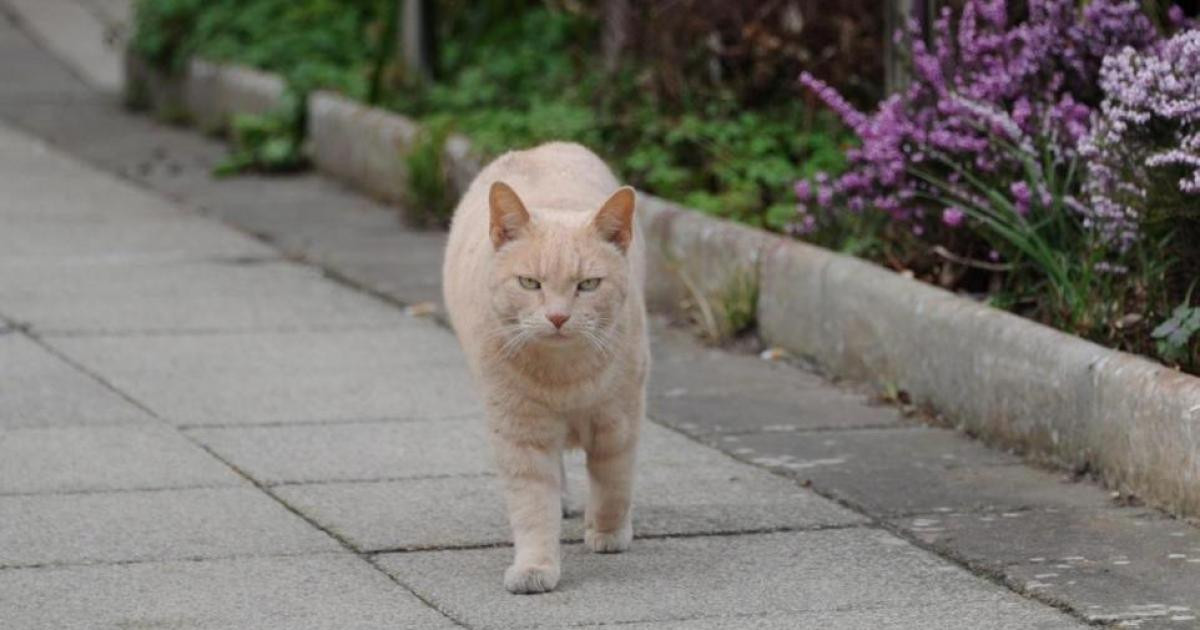
By 8pm on Sunday, Hexham Hospital's best-known feline visitor was back where so many people know him, after an unexpected trip that had carried him 60 miles from home. Yang Bell, the 19-year-old cat who is part of daily life at Hexham General Hospital, had been mistaken for a stray and taken away in a journey of more than two hours.
A familiar cat vanishes from his usual rounds
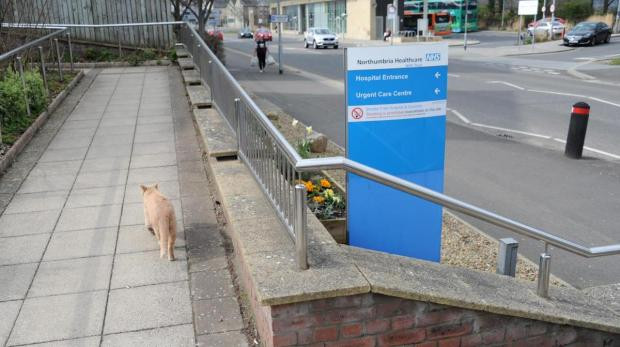
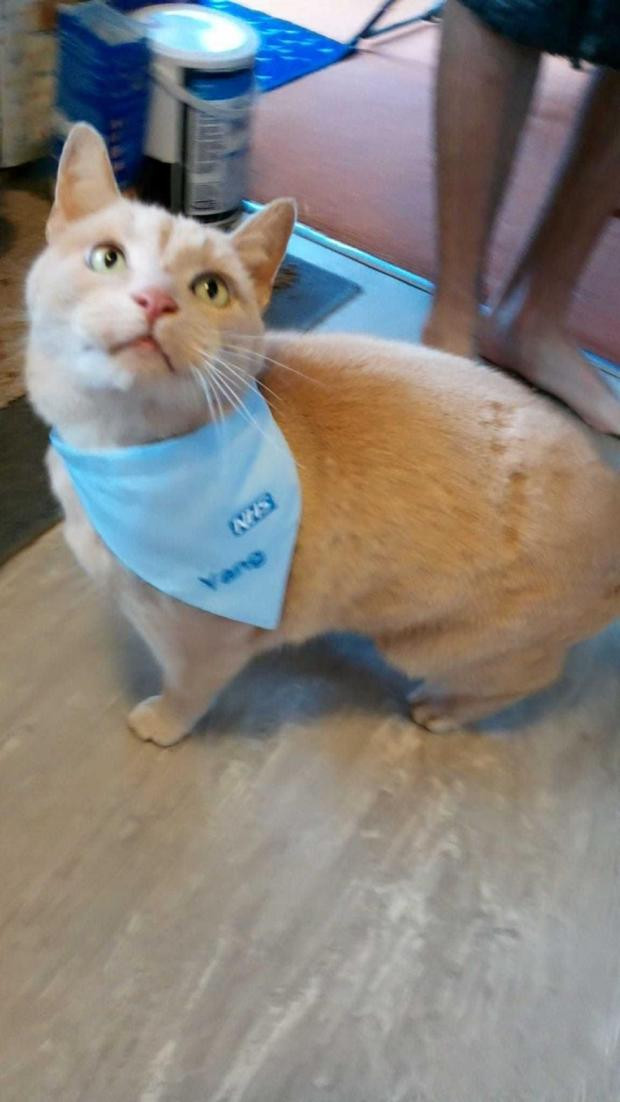
For patients, staff and followers online, Yang is not an anonymous hospital cat. He is a regular presence at Hexham General Hospital, close to his home, where he is known for turning up almost every day and keeping people company. He also has a sizeable online fan base, with 10,000 followers on his Facebook page.
That made his disappearance on Sunday, October 24, especially noticeable. His owner, Glynis Bell, said she could not find him in the places he normally goes. With Storm Boelo bringing heavy winds, she feared he might have been hurt.
Glynis turned to the place many people already associate with Yang, posting a message on his Facebook page. The appeal reflected just how established he is in the local community: not simply a pet at home, but a cat many people expect to see on hospital grounds as part of the rhythm of the day.
What had actually happened was far less obvious than a cat wandering off. A woman had seen Yang at the hospital, believed he was a stray, and taken him away. Glynis said he was driven to the woman's property in Cockermouth, a trip she described as more than two hours and 60 miles from Yang's home.
A microchip scan brings the answer, and Yang comes home
The breakthrough came only hours after Glynis posted online. The owner of Kenzie's K9s Animal Search & Rescue in Cockermouth got in touch with her.
The rescue charity had become involved because the woman who had taken Yang asked for help scanning him for a microchip. That check changed everything. Once the scan was done, it became clear that the cat had not been an unowned stray at all, but Yang Bell, the well-known hospital visitor from Hexham.
He was brought back to the hospital at 8pm on Sunday, ending a disappearance that had quickly grown into an anxious search. For everyone used to seeing him around the site, his return meant the hospital had its familiar feline back in place.
Northumbria Healthcare NHS Foundation Trust marked the moment publicly, saying Yang had been missed. The trust described him as a much-loved cat visitor and noted that he is usually seen at Hexham General Hospital almost every day, where he brings comfort and company to patients and staff.
Back home, the effects of the mix-up did not vanish as quickly as the mystery had. Glynis said Yang had been very quiet since the incident. She also said a vet had told her he was traumatised by what had happened.
Even so, the story closed with the detail his followers had been waiting for: Yang was back. For a cat who has become part mascot, part neighbour and part daily check-in for hospital workers, patients and online supporters, that mattered. His disappearance began with a stranger mistaking a familiar local cat for one without a home. It ended with a microchip scan, a long journey in reverse, and a community welcoming back one of its best-known visitors.
Why some public places have resident cats
Some hospitals, shops, farms, and other shared spaces end up with a well known resident cat. Sometimes the cat arrives as a stray and stays because people feed it. Sometimes staff or volunteers care for it informally. Over time, the cat may become part of the daily rhythm of the place and a familiar source of comfort for regular visitors.
A resident cat still needs the basics of responsible care. That means a clear feeding routine, fresh water, a safe sleeping spot, and a plan for veterinary care. It also helps to decide who is responsible when the cat is ill, missing, or accidentally shut inside a room or vehicle. If many people help, a simple written note about the cat's name, habits, diet, and usual hiding places can prevent confusion.
How cats get displaced, and how they often get home
Cats are creatures of territory. They build a mental map using scent, sound, landmarks, and daily routine. That is why many cats can work their way back to a familiar area after being moved, especially if they are healthy, confident, and not taken too far into an unfamiliar setting.
Accidental displacement is common in ordinary ways. A cat may climb into a delivery van, hide in a laundry cart, nap in a car, or slip into a carrier meant for another animal. Nervous cats may stay silent, which can delay discovery. If a cat turns up in the wrong place, the safest first step is to contain it in a quiet room or secure carrier, then check for identification and ask nearby caretakers whether a resident cat is missing.
What helps a lost cat get back safely
The most useful protection is layered identification. A microchip is important because collars can come off. A breakaway collar with an easy to read tag adds a fast visual clue. Recent photos, including unusual markings, can help others confirm they have the right cat.
If a cat goes missing, act quickly but calmly. Search close by first, because many cats hide nearby rather than roam widely. Check under steps, in shrubs, inside sheds, and beneath parked vehicles. Put out familiar bedding or used litter only if it is safe to do so, because familiar scent can help orient a cat. Alert neighbors, local clinics, shelters, and transport staff. For cats that live around busy shared buildings, signs on staff entrances and loading areas can be especially useful.
Share this article: