
Hiker Andi Davis Carried a Wounded Pit Bull for an Hour. Now Elijah Has a Home

Andi Davis came across a young pit bull in Phoenix's rocky hills and quickly realized he was in critical condition. The dog was bleeding heavily from multiple gunshot wounds, and getting him off the mountain became the only thing that mattered.
[Embedded YouTube video. The clip below tells part of Elijah's rescue story.]
She found him clinging to life
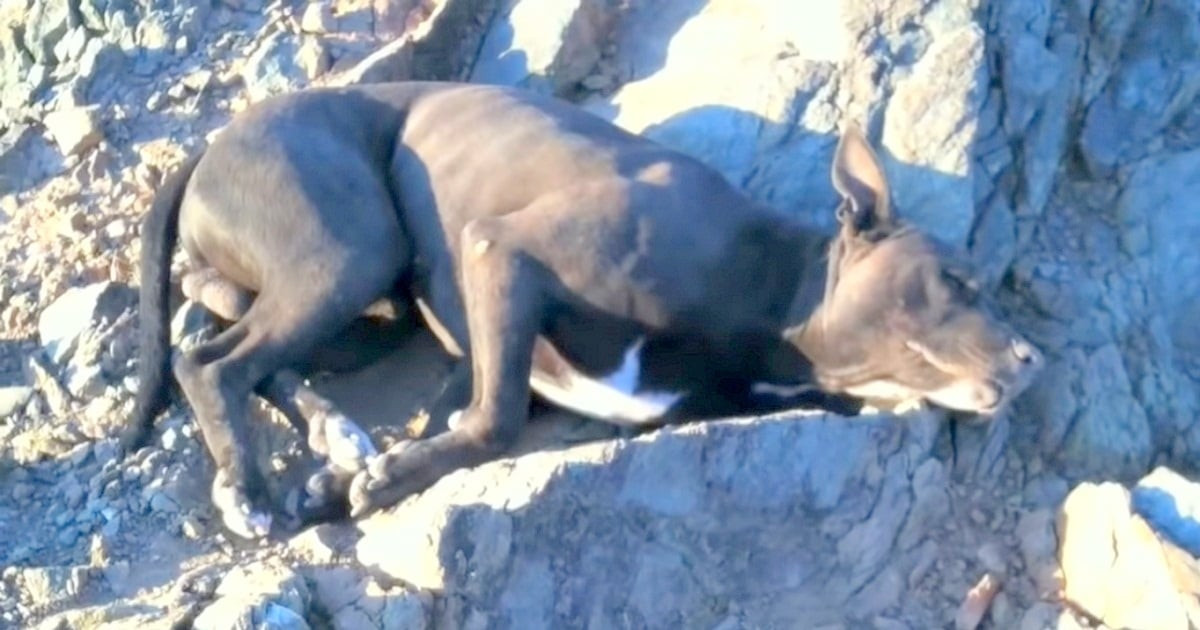
Davis was out on one of her hikes through the isolated hills around Phoenix, Arizona, when she spotted a 2-year-old pit bull who had been shot several times. He was bleeding profusely, and she could see he was close to death.
She gave him some water, then picked him up and started down the mountain. The dog weighed 47 pounds, and Davis carried him for an hour as she hurried to find help.
Emergency care gave the dog a chance
The pit bull was taken to the Arizona Humane Society for urgent treatment. Veterinarians there treated an open wound in his stomach and removed bullet fragments from his neck and spinal cord.
Davis stayed with him and kept encouraging him to keep fighting. He survived, and the second chance she helped create did not end at the clinic.
The dog became Elijah
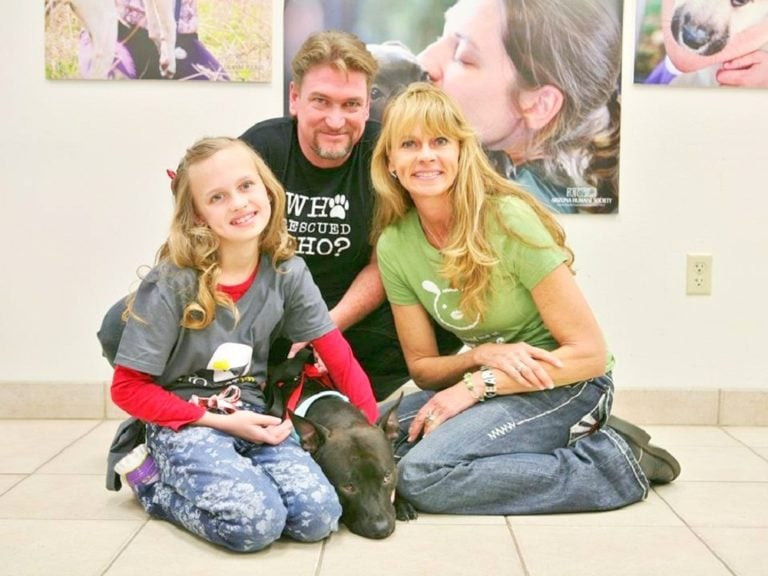
Davis later brought the dog home herself. She named him Elijah, saying the name came from the prophet Elijah.
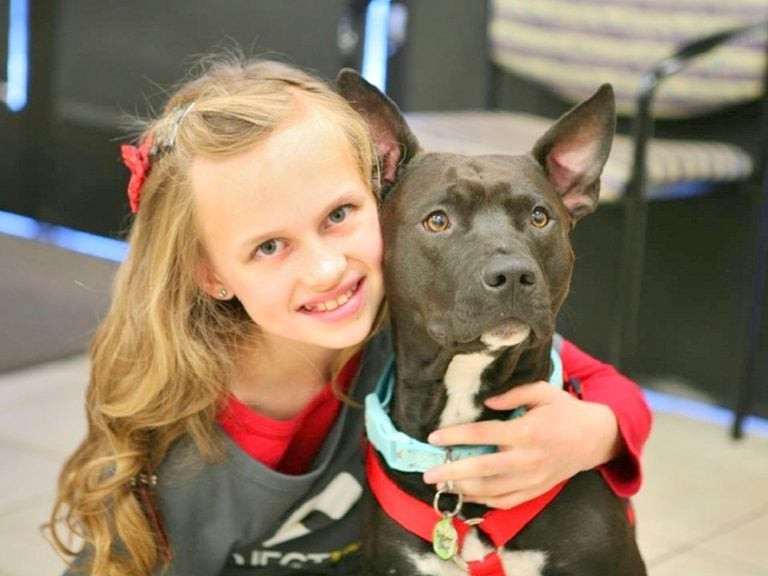
In his new home, with what was described as love and attention, he recovered quickly. Elijah now lives with Davis, her 10-year-old daughter Jessi, and the family's four other dogs.
What began as a desperate carry down a mountain ended with the wounded pit bull not only surviving, but becoming part of the family that refused to leave him behind.
What people mean by a pit bull
"Pit bull" is often used as a catchall label, not a precise breed name. It can describe several related breeds and many mixed breed dogs with a similar look. That matters because appearance alone does not tell you much about temperament. A dog with this label may be energetic, strong, affectionate, stubborn, sensitive, or all of the above, just like many other medium to large dogs.
For adopters, the useful takeaway is to assess the individual dog in front of you. Ask about handling, leash manners, comfort around strangers, play style, and any medical needs. Before bringing a dog home, check practical issues such as landlord rules, insurance terms, and local shelter policies, because these can vary.
How to help an injured dog safely
An injured dog may be scared enough to bite, even if it seems friendly. Approach slowly from the side, speak softly, and avoid crowding the head. If the dog can walk, use a leash or slip lead if available. If there is bleeding, apply gentle pressure with a clean cloth. Keep the dog warm and as still as possible. Do not offer human pain medicine, which can be dangerous for dogs.
If a dog cannot walk, support both the chest and the hind end when lifting. A blanket, coat, or sturdy towel can work as a sling. If you have help, one person can support the front and the other the rear. Keep the body level and move slowly over uneven ground. If there may be a spine injury, minimize twisting and get veterinary help as quickly as you can.
What comes next after rescue or adoption
A newly found or newly adopted dog usually needs a quiet decompression period. Start with a veterinary check, including a scan for a microchip if the dog was found outdoors. At home, set up a calm space with water, a bed, and a predictable routine. Introduce resident pets gradually and supervise closely at first.
Many rescue dogs do best when life is simple at the start: short walks, regular meals, rest, and gentle training with rewards. Watch for signs of pain or stress such as panting, pacing, freezing, lip licking, or guarding food and bedding. Strong dogs often benefit from a well fitted harness and basic cue training early on, because good handling makes vet visits, walks, and introductions safer for everyone.
Share this article:





