How Bradford hospital staff rescued a cat family living under a generator

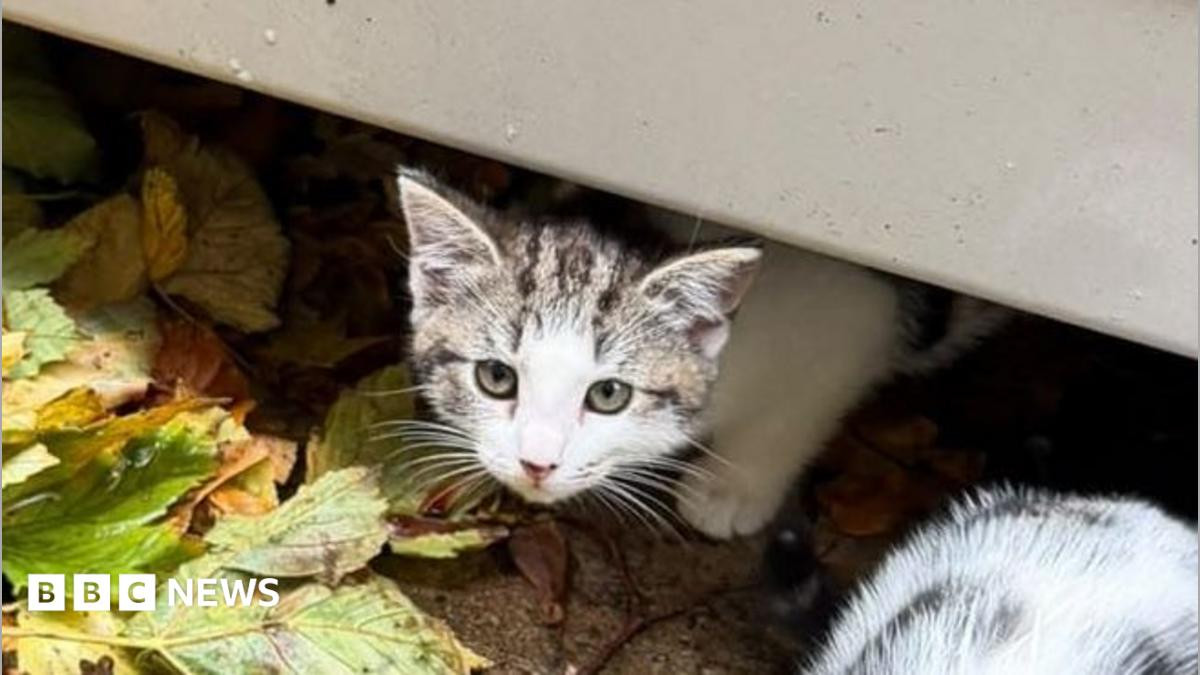
The scene that pulled people in was pure rescue-drama for cat lovers: two tiny kittens tucked beneath a fenced generator outside a maternity block, with two adult strays close by and no easy way to reach them. What followed at Bradford Royal Infirmary was not the work of one animal expert, but a hospital-wide effort that turned lunch breaks, early starts and a busy WhatsApp chat into a full cat-saving operation.
A hidden feline family on hospital grounds
The cats had made their home in an awkward place, beneath a fenced-off power unit outside the maternity block at Bradford Royal Infirmary. Staff discovered the group after the mother gave birth there, and the setup created an immediate problem. The kittens were visible, the adult cats were around, but getting safely to them was another matter.
At first, people could do little more than watch, leave out food and water, and make sure the animals were still there. The family consisted of two adult cats and two kittens. For staff already working across a busy hospital site, it could easily have become one of those small, unresolved worries that stays in the background. Instead, it grew into a shared project.
Melissa Barker, a senior sister in the neonatal unit, was among the people who got involved. She described the effort as something that drew together people who had not known one another beforehand and who worked in completely different parts of the trust. Their jobs were not the same, their shifts were not the same, but the cats gave them a common task.
For cat people, the setup had a familiar pull. Once there are kittens in a hard-to-reach hiding place, nobody really stops thinking about them. That seems to be what happened here. A few staff members started by checking on the animals and putting out the basics. Then more people joined in.
The hospital built its own cat rota
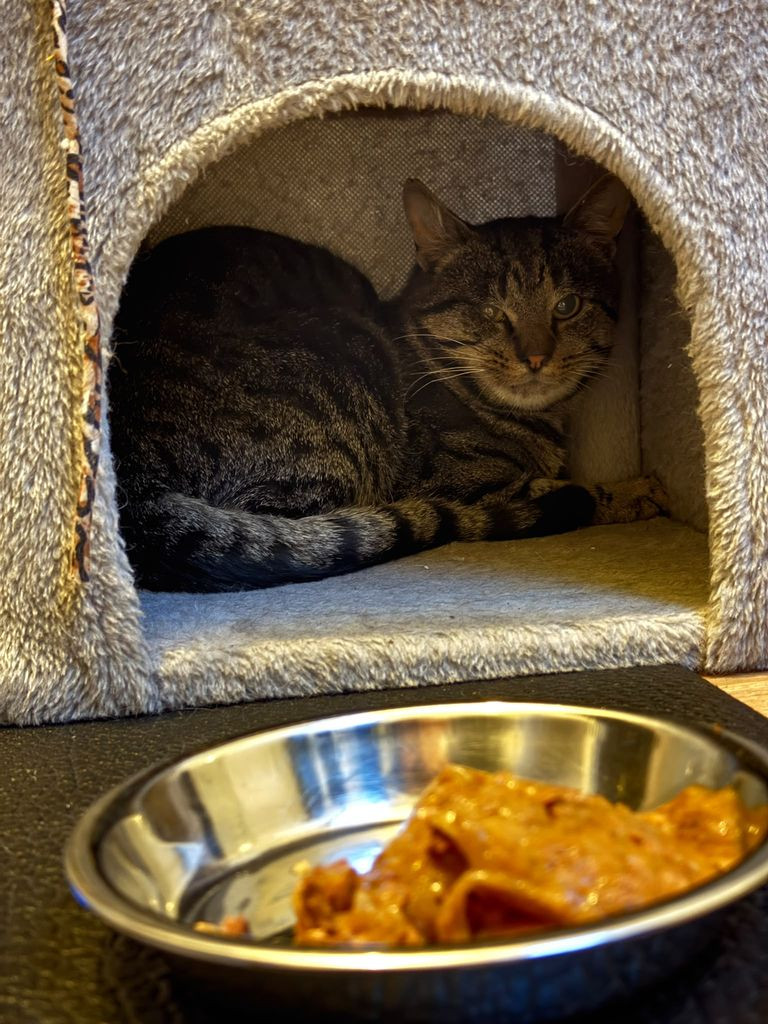
What began as informal concern soon became organized. Staff created a WhatsApp group that, by Melissa Barker's account, became very active. They arranged schedules for feeding, planned attempts to bring the cats in safely, and kept each other updated across different departments.
The commitment stretched well beyond a quick visit on the way to work. The rescue involved early morning checks, lunch breaks spent going back out to the site, visits before and after shifts, and even time given up on days off. People also kept going through cold and wet weather.
Another member of staff, Cathy Hulin from the research department, played a central role. She also volunteers one day a week with Allerton Cat Rescue and led the mission to bring the cats in. Cathy said the mother disappeared when the kittens were three weeks old. At that point, colleagues took over feeding and monitoring the kittens. Staff then continued that care for another three weeks through coordinated rotas.
The group even picked up a nickname, the Kitty Crew. It was a playful title for something that required real persistence. The kittens were vulnerable, the adults were elusive, and the location beneath the generator made every move more complicated.
The rescue drew in people from the Neonatal Unit, Research, Informatics, Education, Acute and Vascular Theatres, Ward 26 and other areas of the hospital. Named members included Melissa Barker, Hadiyah Shoukat, Cathy Hulin, Lisa Twivy, Rachael Mathers, Chloe Hart and Jessica Beattie, along with volunteers from Allerton Cat Rescue.
Catching them was the hard part
Watching and feeding the cats was one challenge. Catching them was another entirely.
With support from Allerton Cat Rescue, the team got hold of a cat trap. Even then, success was not quick. Cathy said they had genuine difficulty securing the kittens because they moved so fast. Anyone who has ever tried to outmaneuver a wary kitten will recognize the problem. Tiny does not mean easy.
Eventually, the effort began to pay off. One kitten was physically scooped up. The second was coaxed into a carrier. The adult cat they managed to catch with the trap was first believed to be the mother. Later, the team found out that this cat was actually the father.
That father cat was named Burt. The kittens were given the names Holly and Ivor or Ivy, with the final choice still depending on confirming one kitten's sex. By the end of the operation, the two kittens and Burt had all been taken into care.
Cathy said she fostered the kittens herself, while Burt was taken to a home in Hebden Bridge. Another account from the team described the kittens as reunited in a foster home and Burt as also being in foster care. In either case, the outcome was the same one everybody on site had been working toward: the three cats were no longer living under a generator.
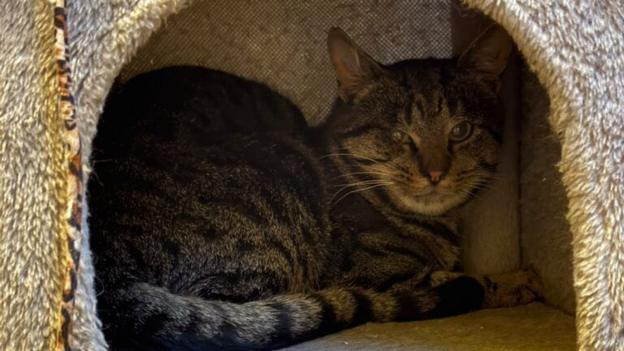
One cat still to come in, and homes already waiting
The mission, however, was not completely finished.
Hospital staff and Allerton Cat Rescue were still trying to catch the mother cat. The plan for the adult cats was for both parents to be neutered before being rehomed. That left one final piece of the puzzle still unresolved, even after the successful rescue of Burt and the kittens.
The kittens, though, already had a future home lined up. For a story that began in such an improvised shelter, that is one of its sweetest details. Holly and Ivor or Ivy started out under a fenced generator beside a hospital maternity block. They ended up safe and earmarked for a permanent home.
Melissa Barker said the episode was a reminder that kindness and teamwork are not limited by department lines or job titles. She described the group as people who had been strangers only a short time earlier and had become a team through a determination to protect vulnerable animals.
Cathy also spoke about what it meant to rescue the cats with help rather than alone. She said the experience of doing it as a group was deeply humbling, and that bringing cats and kittens to safety gave her an overwhelming sense of satisfaction.
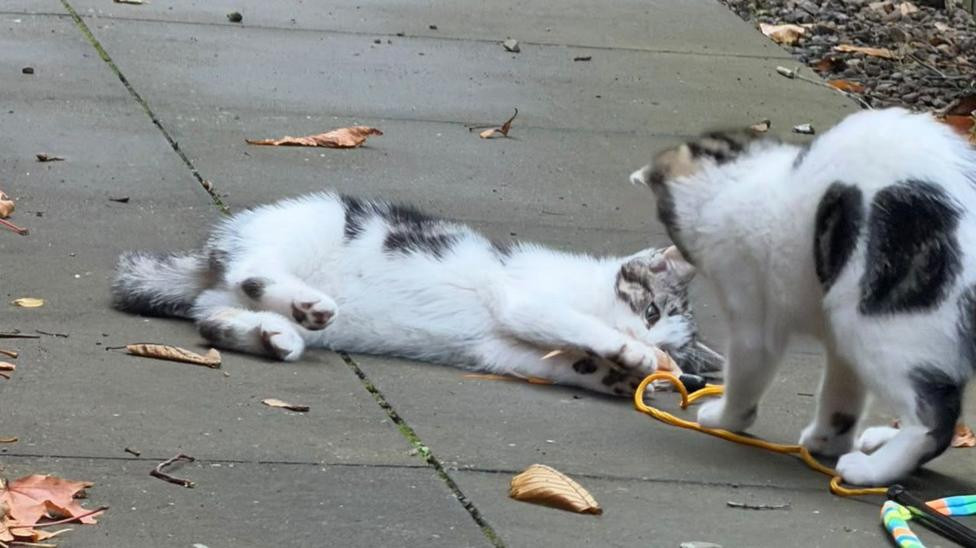
Why this little rescue landed so well
There is something especially fitting about this happening outside maternity. A newborn litter appeared in one corner of the hospital grounds, and staff from all over the site responded with the sort of practical care they already spend their days giving elsewhere.
Professor Mel Pickup, chief executive of the trust, praised the people involved and described the rescue as a feel-good story. She said it showed the compassion, teamwork and kindness that run through the trust's culture. While patient care remains the priority, she said this unexpected effort showed how helping others can connect people, create friendships and strengthen professional relationships.
That may be why the story feels bigger than four cats beneath a generator. The details are delightfully cat-like, a mother choosing an inconvenient hiding place, kittens too quick to catch, a father unexpectedly revealed, a naming debate still unfinished. But the shape of the story is very human. People from unrelated departments noticed a problem, kept showing up, organized themselves, asked a rescue for help, and stayed with it until three of the four cats were safe.
For now, the Bradford cat saga still has one loose thread in the form of the missing mother. But even with that final rescue still pending, the hospital's Kitty Crew has already pulled off something memorable. They turned a tucked-away family of strays into a shared cause, and they did it one food bowl, one check-in and one careful capture at a time.
Share this article: