Party Host, Who Owns Cats, Broods Over Refusing To Allow An Invited Couple To Bring Their Dog Along

A simple party invite turned into a full-on pet debate when one host said no to a guest bringing a dog along. The twist is that the host and his wife already have cats, and he did not want to risk upsetting them in their own home.
The invited couple did not take the refusal well, even though the gathering was happening on the host's property. That left the Redditor wondering whether he was being unfair, or just setting a normal boundary for a house full of cats.
Now the internet has plenty to say about who was out of line here. Read on.
A party host recently shared his predicament on the "Am I The A**hole?" (AITA) subreddit.
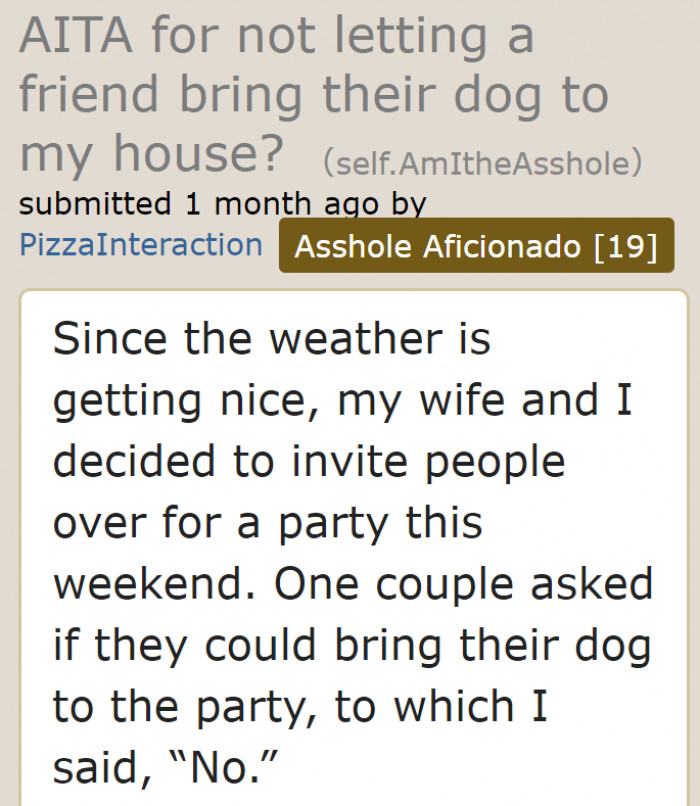
He and his wife own two cats.
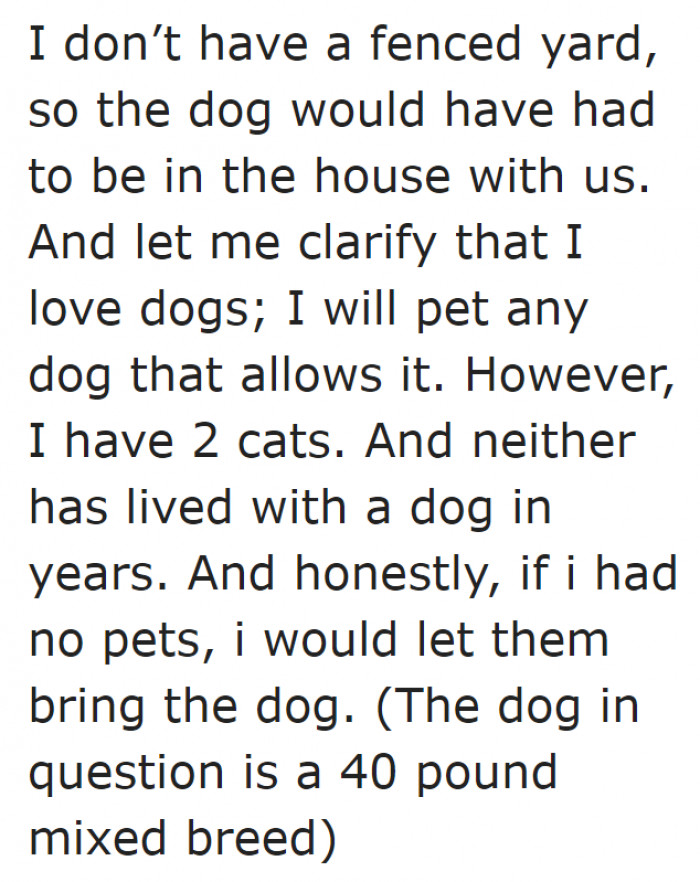
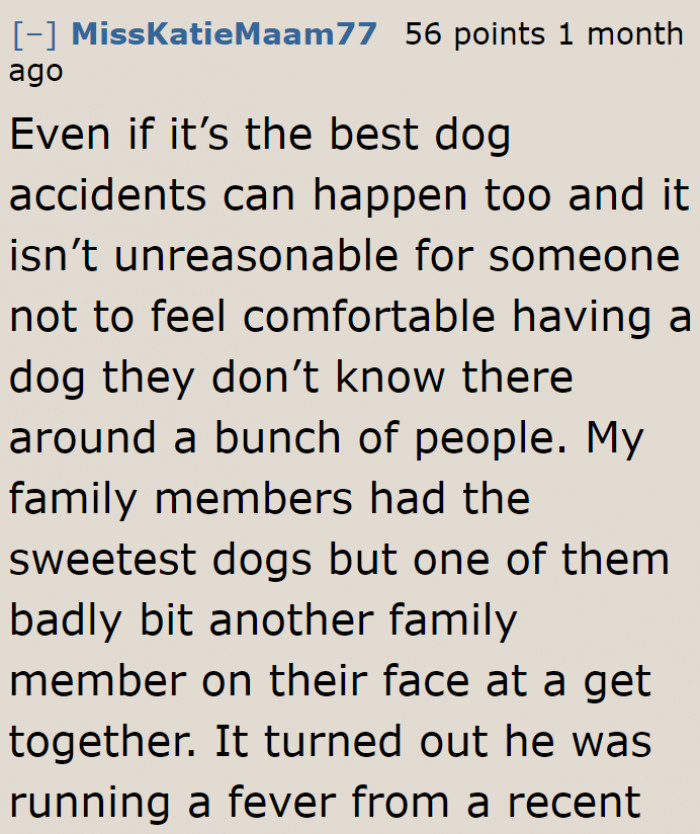
They have to remember that animals can have unpredictable behavior when there's a level of unfamiliarity in the environment.
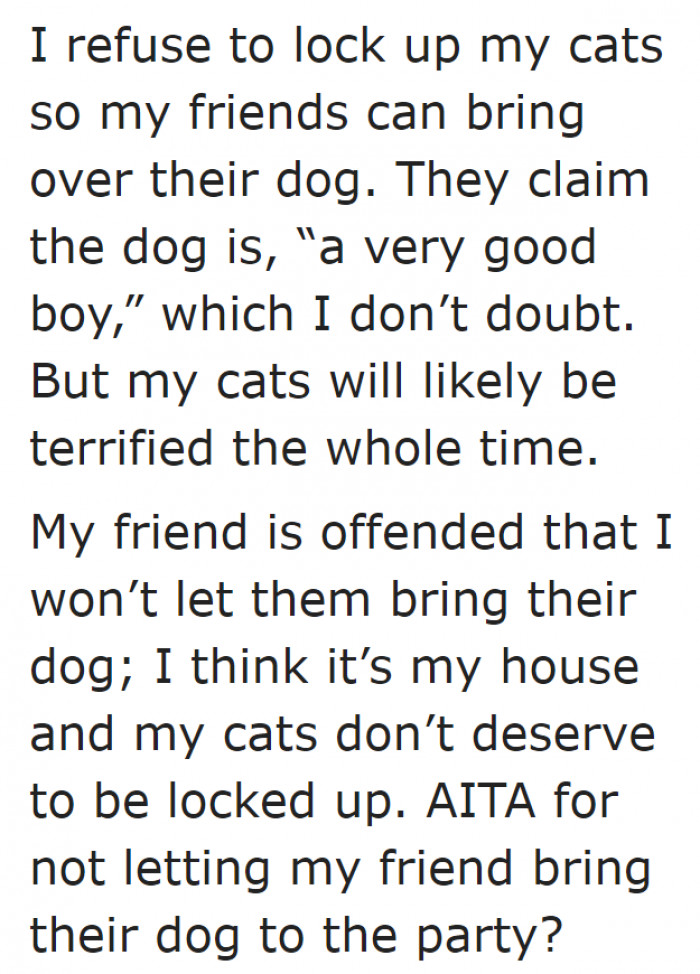
The host's cats were the real reason for the no.
Research in animal behavior underscores the complexity of canine emotional responses, particularly in social contexts. This means that even a well-trained dog might respond differently to the atmosphere created by strangers or other animals. For the party host, this means recognizing that while the couple may insist their dog is well-behaved, the presence of unfamiliar people and other animals can trigger anxiety or excitement, leading to unforeseen outbursts.
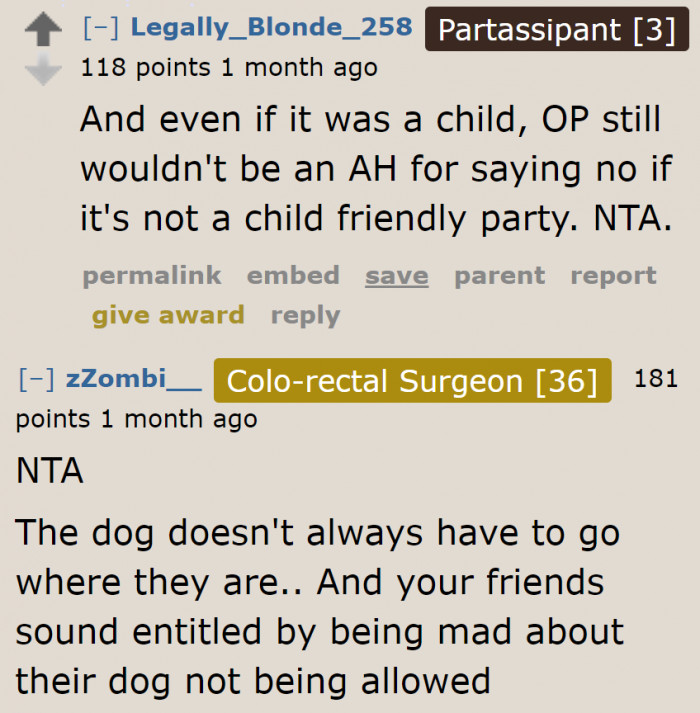
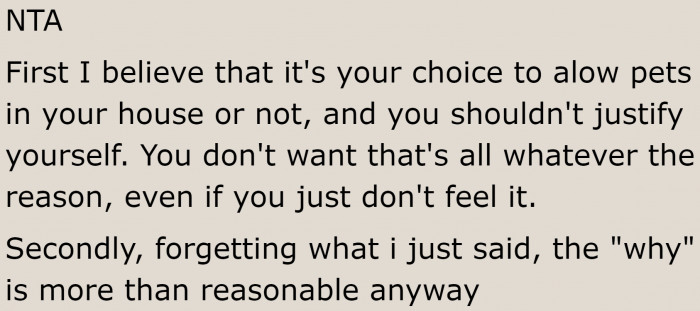
It's their home. No one has the right to demand what they need to do about the cats during a party.
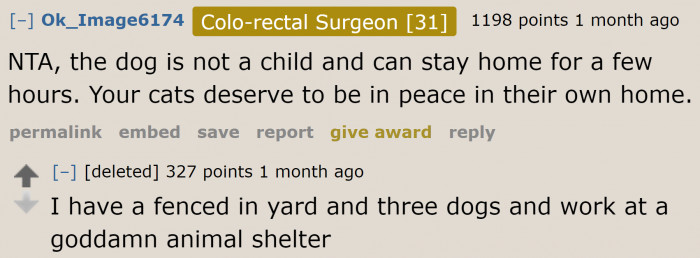
You can already smell the entitlement from those guests.
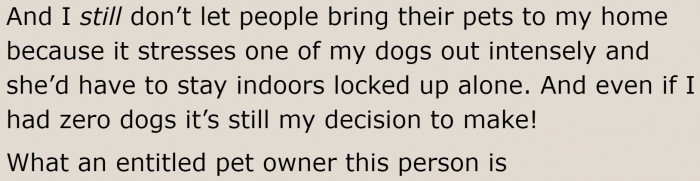
True story from a concerned user
From a social psychology perspective, the insistence of the invited couple that their dog is well-behaved reflects a common cognitive bias known as the Dunning-Kruger effect. This cognitive bias reveals that individuals with limited knowledge or experience in a domain often overestimate their competence, believing that their perspective is more valid than it may actually be.
The couple’s insistence on their dog’s good behavior could stem from a lack of awareness about how dog behavior can change in different social situations, which can pose a risk not only to the pet but also to other guests in the home.
That's why it's best to just leave the dog at home.
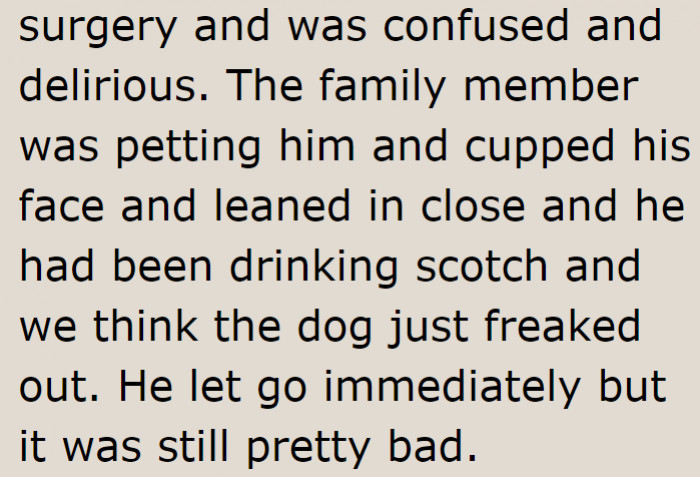
Some pet owners bring their dogs with them, some don't. But the thing is, they don't get offended when refused by the host.
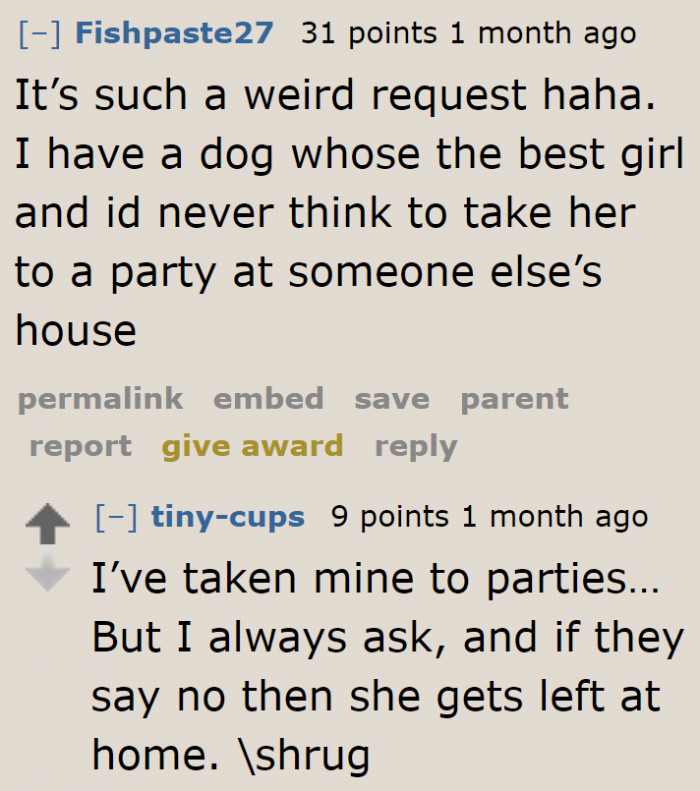
It's a party. It's the host who gets to decide who's allowed.
Establishing boundaries is a crucial aspect of maintaining healthy relationships, and this scenario highlights the importance of assertiveness when it comes to personal space and comfort levels.
Practical recommendations for the party host include communicating their preferences directly and respectfully to the couple. This could involve explaining the reasons for their reluctance to allow the dog into the space and suggesting alternative arrangements, such as leaving the dog at home or finding a pet-friendly environment. By clearly stating their needs, the host can model healthy boundary-setting that may encourage the guests to reflect on their own behavior.
This reminded me of the friend who told a Redditor she couldn’t bring her service dog because other guests were jealous about not having pets.
Sadly, there's a lot of entitled pet owners everywhere.
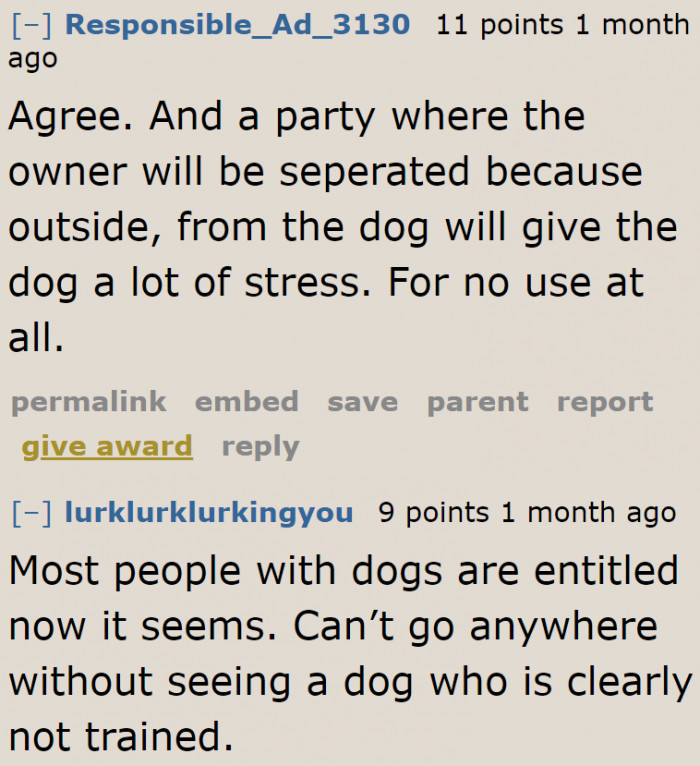
Others would simply leave their dogs at home when invited to a party.
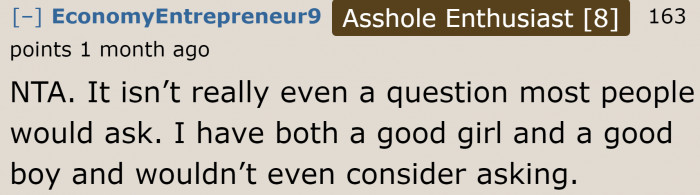
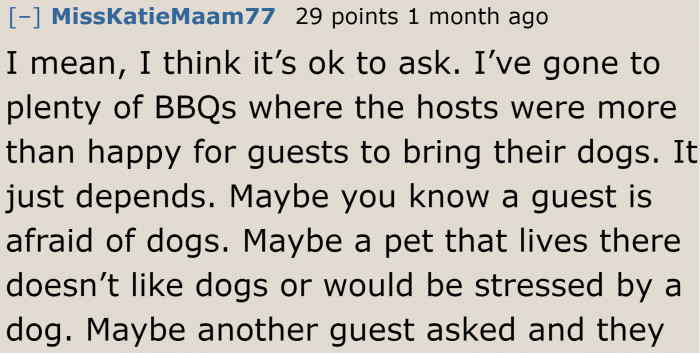
If the host declines, it shouldn't be an issue.
From a behavioral psychology standpoint, the concept of reinforcement plays a significant role in how individuals perceive their pets' behaviors. This suggests that the couple may genuinely believe their dog is well-behaved due to past experiences where the dog has been rewarded for calmness in familiar environments but may not account for the potential triggers present at the party. Understanding this principle can help the couple reassess their dog’s behavior and better prepare for social interactions.
But the guests chose to be offended.
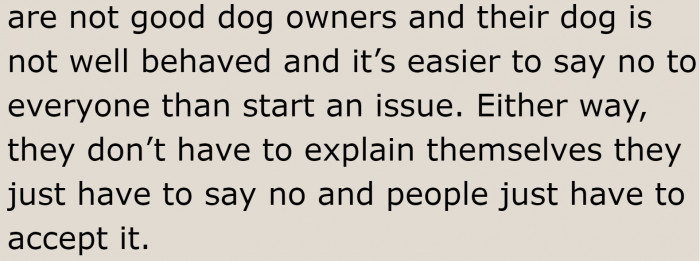
Another Redditor agrees that there are a lot of entitled pet owners these days.
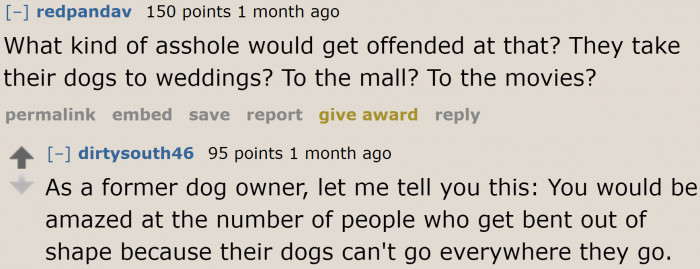
Dear pet owners, please don't equate dogs to human children. They're not.
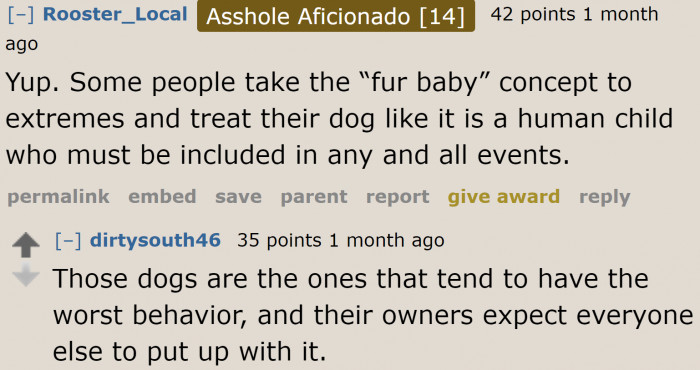
This scenario underscores the crucial role of emotional intelligence in navigating social dynamics.
If they can't leave their dog behind, they should just look for a sitter for the day.
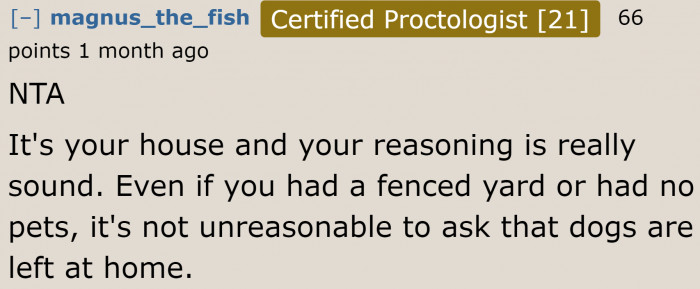
Yet the guests are obligating him. Yikes!
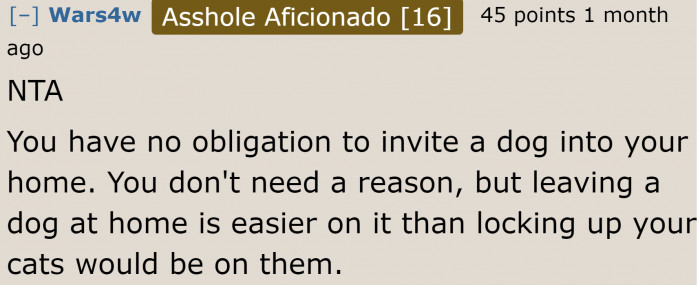
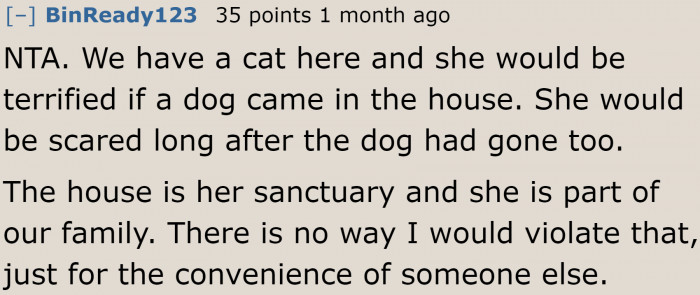
It's their cats' home. They have every right to be at peace in their own home.
It's essential to recognize that social situations often come with implicit social contracts that dictate expected behavior. The party host’s discomfort with the couple bringing their dog is rooted in the social expectation of providing a safe and comfortable environment for all guests, which includes considering the unpredictability of animals.
Awareness of these social contracts can lead to better understanding among friends. The couple might benefit from discussing these expectations openly with the host, allowing for a dialogue that respects both the host's concerns and their desire to include their pet in social activities.
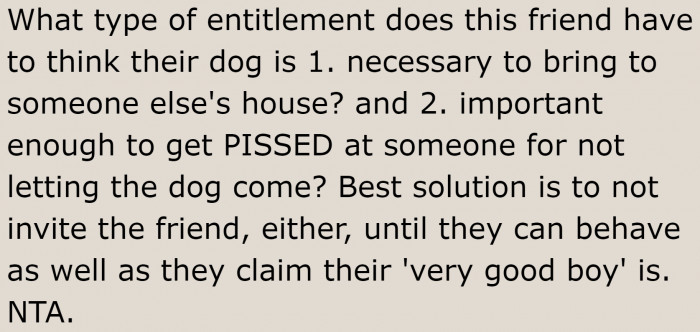
How to avoid such issues in the future: don't invite the entitled friend.
For some cats, the presence of a dog can already spell trouble.
All he wants is to host a party. He doesn't need to go through the trouble of thinking about a dog.
In scenarios like this, seeking common ground can pave the way for more harmonious social interactions. Conflict resolution strategies emphasize the importance of collaboration over confrontation. Research has shown that when parties in a disagreement focus on shared interests rather than differences, they are more likely to reach a satisfactory resolution.
To facilitate this, the host and the couple could engage in a conversation about their mutual love for animals and how that can be honored without compromising the host's comfort. Potential solutions could include designating a separate, secure area for the dog or organizing future gatherings where all pets are welcome, thus respecting both parties' needs.
Some people can be immature, unfortunately.
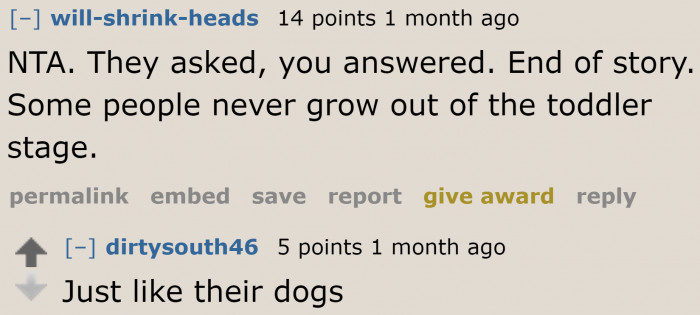
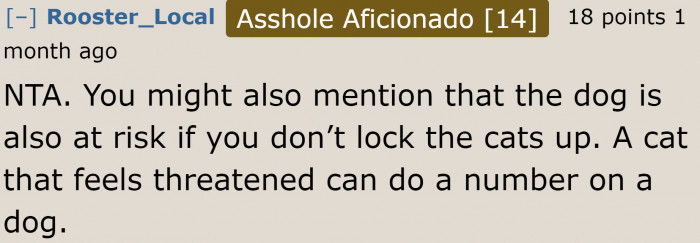
Why do his cats need to go through the trouble of getting locked up just because of entitled people?
They're only leaving their dog at home for a couple of hours, so why do they have to complicate the situation? In the end, the community agrees that he isn't the jerk for refusing these two entitled people's requests.
Ultimately, creating a dialogue that respects everyone's feelings can lead to innovative solutions that honor both the host's comfort and the couple's desire to include their pet, demonstrating that empathy and communication are key to resolving conflicts.
Wait until you see how a host enforced “on duty” service dog rules at a birthday party, and it backfired.
Share this article: