Cats on a remote island are hunting albatross chicks, and it is reigniting the indoor cat debate

A population of cats living on one of the world’s bleakest island chains has become an unexpected reminder of just how skilled feline hunters are. On the Kerguelen Islands, some cats are now hunting wandering albatross chicks, and the findings are feeding a wider argument about whether pet cats should spend more time indoors.
From sofa predator to subantarctic survivor
The Kerguelen Islands sit in the southern Indian Ocean, roughly halfway between Madagascar and Antarctica. It is a hard place to imagine for any house cat. Average yearly temperatures are 4.5C, winds can reach 150kph, and rain or snow falls on 285 days each year.
Yet cats have managed to live there on Grand Terre, the main island, despite domestic cats originating in the Middle East and being far better known for radiators and windowsills than polar weather. On Kerguelen, they survive by eating non-native rabbits and mice, along with burrowing petrels. Some have also started taking wandering albatross chicks.
The cats have been present since at least 1876, and their population was estimated at about 7,000 in the late 1990s. A 2024 study in Ecosphere found that cat predation accounted for 25 percent of albatross chick mortality. The study’s authors warned that without cat control, some albatross populations would decline sharply.
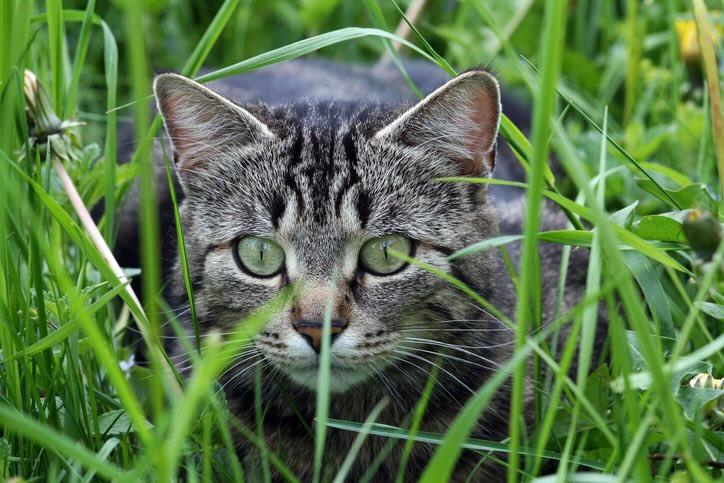
Ecologist Chris Lepczyk, who has studied the effects of domestic cats on wildlife for more than 20 years, points to Kerguelen as a vivid example of what cats can do. He says they can survive in extreme environments and do not even need fresh water sources. He also says a single cat can wipe out an albatross nesting colony.
Why islands can be such a bad match for cats and birds
Places like Kerguelen are especially vulnerable because many island birds evolved without mammalian predators on the ground. That makes nesting colonies ideal for seabirds, until cats arrive.
Lepczyk says cats have an especially harmful effect on island wildlife. Other examples underline the point. Feral cats were responsible for the extinction of the Stephens Island wren in New Zealand, and they have been linked to the severe decline or extinction of 30 species of forest birds in Hawaii.
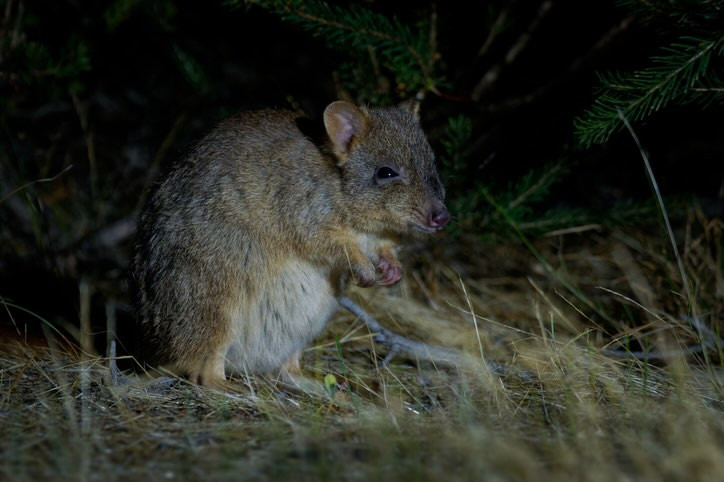
The pattern is not limited to islands. In Australia, introduced cats account for two-thirds of all mortality in brush-tailed bettongs, also known as woylies. Another study found that native long-haired rats disappeared from enclosures where cats were present.
Large-scale estimates from the United States and Britain show how widespread the effect can be when cats roam freely. A 2013 US study estimated that free-ranging cats kill 1.3 to 4 billion birds, 6.3 to 22.3 billion mammals, 258 to 822 million reptiles, and 95 to 299 million amphibians each year. In the UK, research published in 2003 found that the country’s nine million cats brought home 57 million mammals and 27 million birds in only five months, suggesting the true number killed was higher still.
What this means for pet cats at home
For Lepczyk, the basic answer is straightforward. He argues that cats should be kept indoors. If owners want to give them outside access, he says catios or leash walks are better options than free roaming. He also argues that cats should be sterilised, and says licensing and microchipping should be mandatory. In the UK, compulsory microchipping was introduced in June 2024.
He also says indoor living would not only help wildlife, but would benefit cats themselves. In his view, cats kept from roaming would live longer and healthier lives. He adds that they would also be less likely to pick up toxoplasmosis, which cats can pass to people. He says the disease has been linked to higher divorce rates and more car accidents through changes in personality traits and behaviour, and that it may also cause partial blindness and miscarriages.
That message can be a tricky sell if it is framed only as a wildlife issue. Research led by environmental social scientist Sarah Crowley at the University of Exeter looked instead at cat owners’ attitudes and at practical changes in care that might reduce predation. One of the project’s main findings was that owners are mostly motivated by what is best for their cat, rather than by conservation alone.
That does not mean people are happy when their cat hunts. Crowley says some object because they dislike the suffering involved, while others simply do not enjoy finding remains around the house. She has said she once stepped in mouse entrails in her bedroom, which she did not find funny.
The surprisingly simple tricks that can help
The Exeter work highlighted a couple of changes that seem to lower the number of animals cats bring home. One was food. Switching cats to a high-protein diet made mainly from fresh meat reduced the amount of prey returned by about a third.
The other was play. Giving cats five to 10 minutes of play each day also reduced kill rates. Crowley’s point is that these ideas are often easier for owners to accept when they are presented as enriching the cat’s life, rather than as a sacrifice for the sake of birds or mice.
Other tools have produced more mixed results. Bells can work for some cats, but not all. Brightly coloured Birdsbesafe collars, which look like vivid ruffs, were found to reduce bird predation, although some owners were concerned about their cats’ welfare.
Put all of that together, and the lesson is not that cats have stopped being cats. From a storm-lashed island near Antarctica to suburban gardens, they remain remarkably capable predators. The difference, the research suggests, is how much freedom people give them, and what small daily choices owners make about food, play and outdoor access.
Share this article: