Diya the Wyoming Rest Area Dog Reached Safety After a Secret 90 Mile Walk Home

Diya had spent weeks turning every rescue plan into a near miss at a Wyoming rest area. In the end, the dog so many people could not catch left on foot instead, following a volunteer and his dog for 90 miles over four days until she reached safety.
The dog who kept slipping past every plan
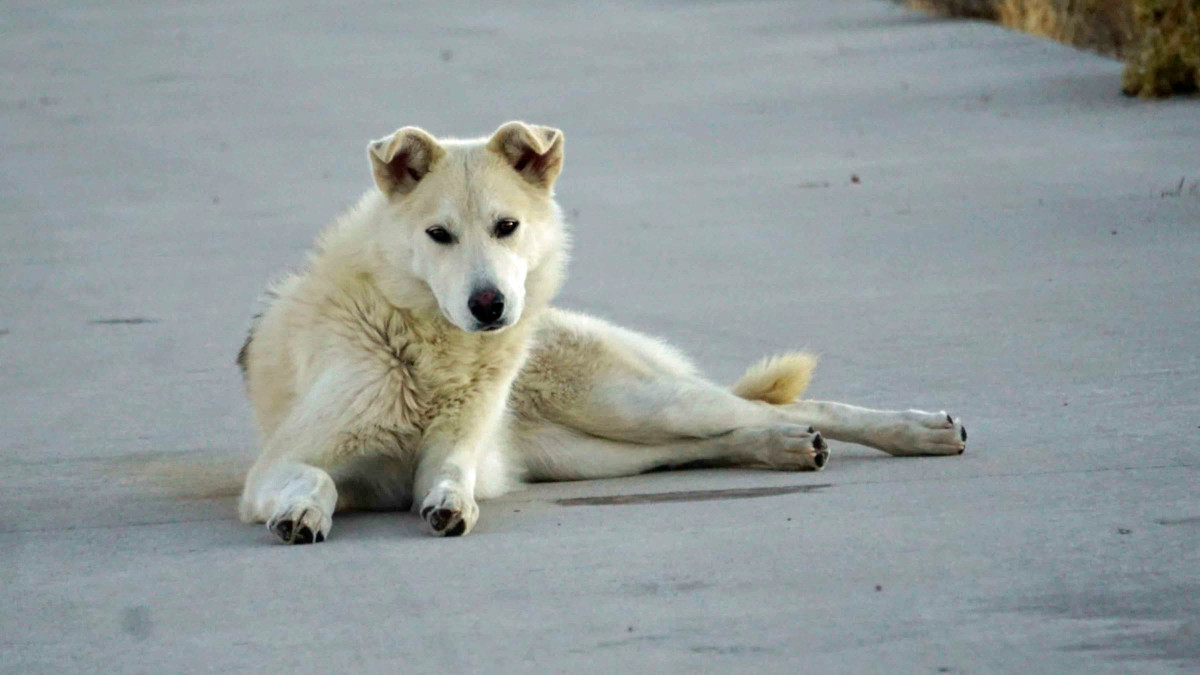
By the time Diya disappeared from the Split Rock Rest Area near Jeffrey City, plenty of people knew her name.
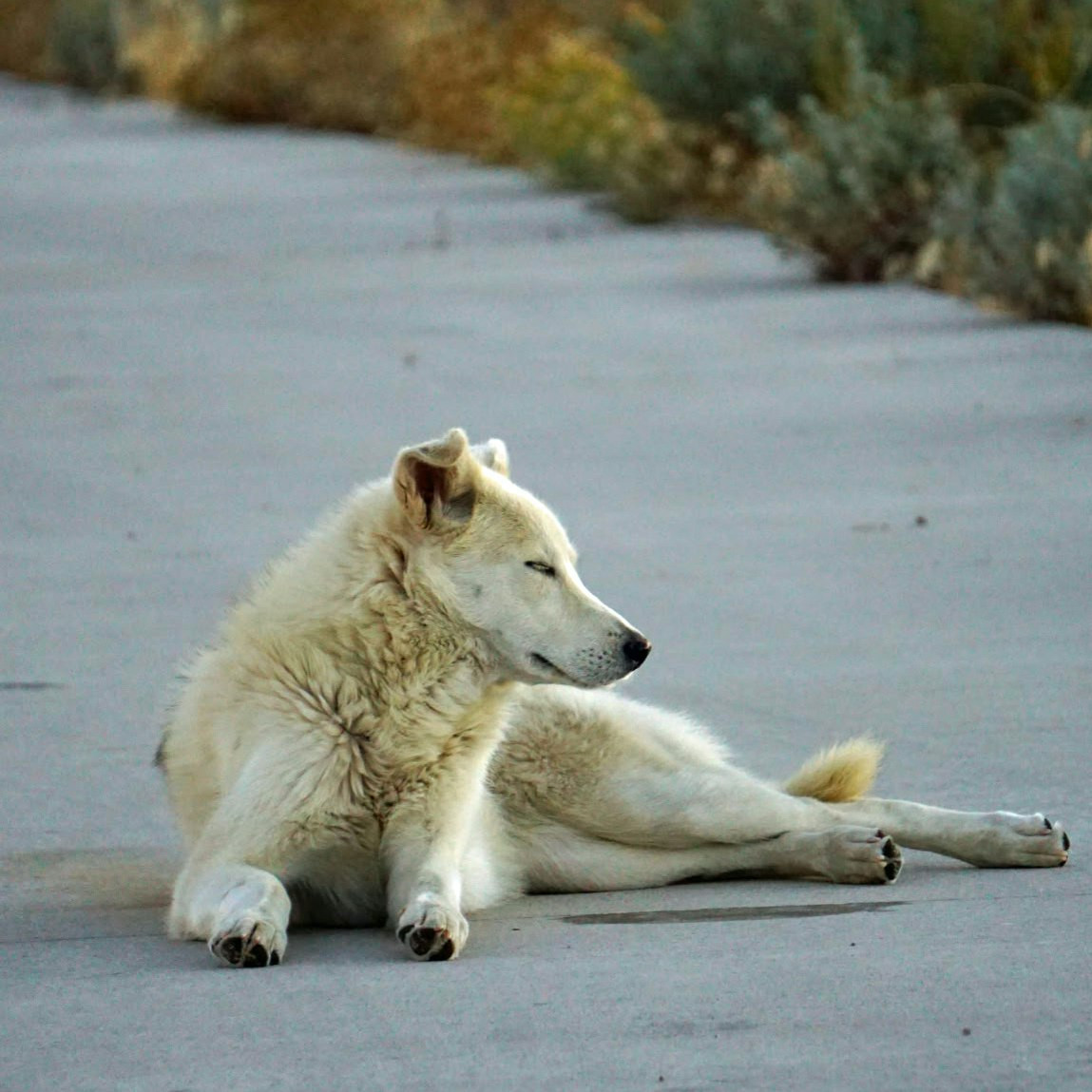
The wolf-like dog had shown up at the remote Fremont County stop in mid-September and quickly drew a circle of local volunteers around her. They made daily trips to keep her fed and watered, and the more they tried to help, the clearer one thing became: Diya was unusually hard to handle.
She was described as gentle, but she was also deeply wary of people trying to contain her. She would not go into kennels or live traps. She could detect medication hidden in her food. Even when she was close enough to eat from a hand, she stayed alert to the possibility of a leash. Portable fencing panels sent her running.
Mark Lewis, who emerged as the lead volunteer in the effort, spent weeks sleeping at the rest stop while trying to bring her in. Others joined in with food runs, advice and supplies. The rescue had become a genuine community project, powered by people who did not want to leave a dog stranded in such an isolated place.
Still, Diya kept proving that she was always one step ahead of the people trying to save her.
A rescue effort grows more urgent
The push to get Diya to safety picked up even more after volunteers learned that a wild horse roundup on Green Mountain could affect their timeline.
Lewis tried to adapt. He set up a kennel crate measuring 10 feet by 10 feet and moved her food entirely inside it. He also brought in larger fence panels and tried to use another dog to help lure Diya into an enclosure with enough room that she could be trapped safely.
Another volunteer, Lander resident Joanna Harter, came into the effort later to help organize trapping methods. She contacted outside lost-dog trappers and donated a large, open-air kennel trap meant to give Diya a safer option.
But before that plan could play out, Diya vanished.
Lewis sent messages saying she had not been seen all day. He waited at the rest stop and planned to return again before sunrise. When there was still no sign of her, the mood shifted fast from frustration to fear.
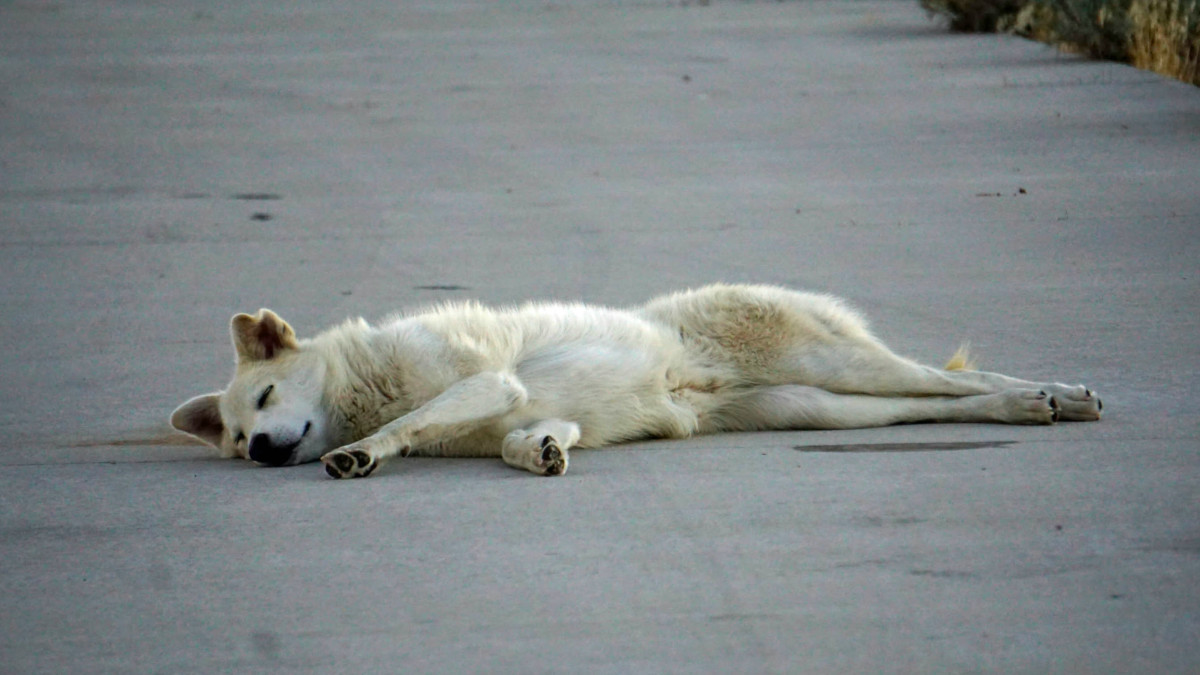
Volunteers considered one possibility that she might be unspayed and had wandered off in heat. But the more frightening ideas were harder to shake, especially after someone noticed what looked like fresh blood on the highway less than a mile away.
People panicked. Some of the volunteers believed Diya might be dead.
What no one at the rest stop knew
While supporters were scanning the area and bracing for the worst, Diya was already gone for a very different reason.
An anonymous man from Lander later explained on Facebook that he had begun walking with her on Friday night. He had been one of the many volunteers driving out to the rest area to feed her. After about three weeks of watching every standard method fail, he came to believe that traps and similar approaches were not going to work.
He worried that Diya might remain stranded there for a long time. So he chose a route no one else had tried: he would see whether she would simply follow him to safety.
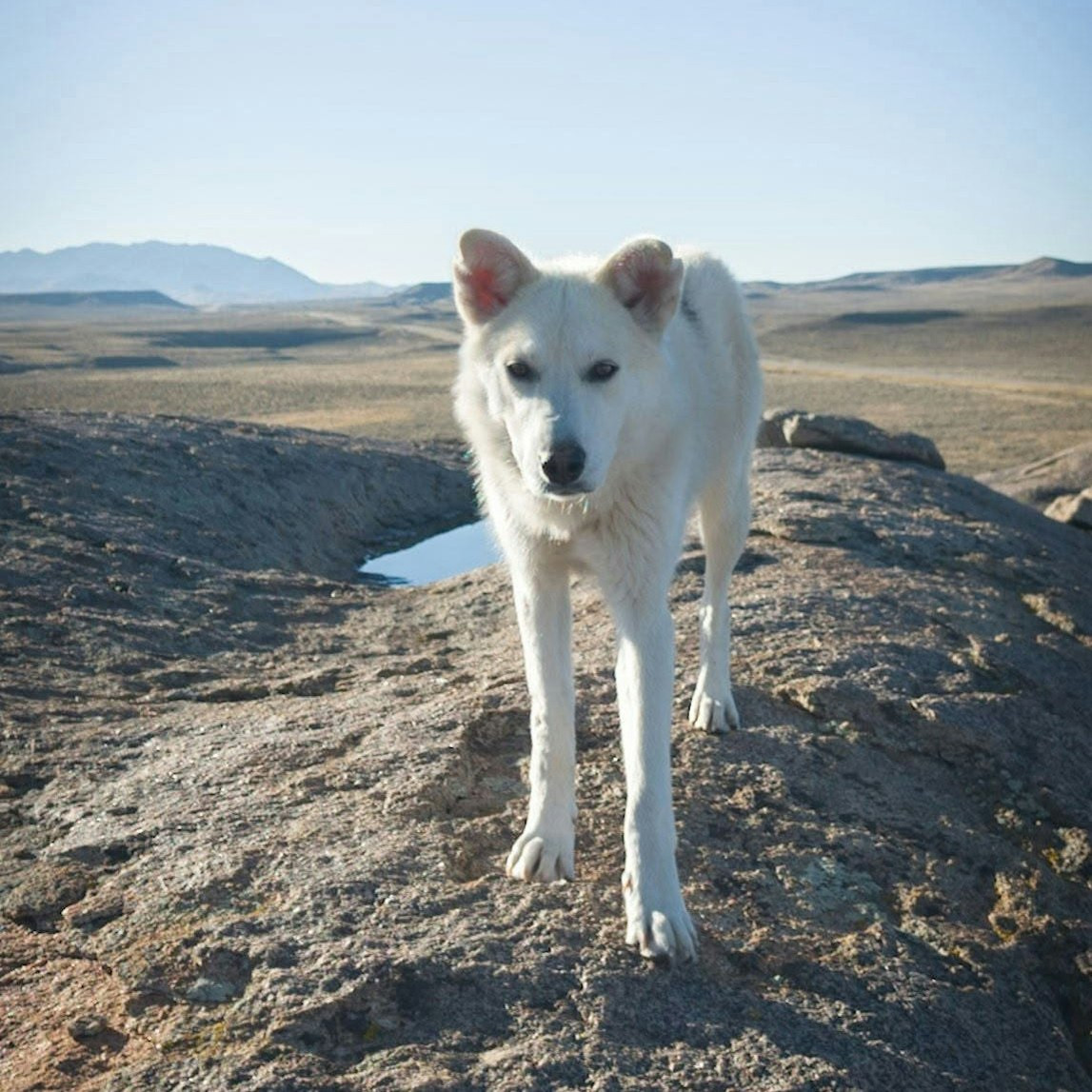
According to his account, that is exactly what happened. The trip covered 90 miles and took four days. Diya followed him and his own dog the entire way. More striking still, he said, was that each morning she chose to continue.
He did not make the plan public while it was happening. In his explanation, he apologized to everyone who had worried about her, donated money, spent time or driven out to help after she disappeared. But he also said he believed the operation was delicate and could not risk interference or interruptions.
For a dog who had refused every kennel, trap and leash, the answer turned out to be neither force nor sedation. It was movement, patience and the presence of another dog on the trail.
Why the story sounded unbelievable, and why volunteers believed it anyway
On its face, the ending almost sounds too neat for a saga that had become so complicated. A dog that outsmarted rescue strategies for more than a month had not been captured at all. She had walked out.
Lewis said the account was real. He confirmed that the man had in fact hiked the 90 miles with Diya.
Even so, the full story remains closely held. Volunteers would like to know more about the route, how many miles were covered in a day, and where the pair slept during the four nights. The man has not shared those details.
Lewis said he understood why the hiker stayed quiet, especially after so many people had invested energy and resources in the Split Rock effort. At the same time, he wished he had at least been given the chance to help.
What reassured him was the behavior Diya reportedly showed along the way. The fact that she slept near the man for several nights and then kept moving with him each morning told Lewis a lot about the situation. Although he had not received many updates himself, he said knowing the hiker as a fellow volunteer and seeing what he was willing to do gave him confidence that Diya was with someone committed to her welfare.
He also credited the idea itself. After all the discussions about traps, timing and equipment, Lewis said he had never thought of trying to walk her out.
A happy ending, even if it was not the planned one
Harter did not know the identity of the man who walked Diya home, but she saw a similarity between him and Lewis. In her view, both men cut through the debate by deciding to act.
That perspective also shaped how she looked back on her own contribution. The large kennel trap she brought in was never used. The outside resources she lined up never got their chance with Diya. But she did not see the effort as wasted, because the outcome everyone wanted still happened. Diya was alive, she was out of there, and the situation had ended well.
Lewis felt much the same way. The rescue did not unfold according to his plan, or anyone else's. Yet the central goal never changed. They wanted Diya off the mountain and into safety, and that goal was met.
For dog lovers, that may be the part of the story that lingers longest. Not the blood scare on the highway, not the crate measurements, not the endless calculations about fences and traps. The lasting image is simpler than that: a wary dog who trusted no enclosure, walking mile after mile behind a man and his dog, then doing it again the next morning, and the morning after that.
Diya had frustrated rescuers, worried a community and inspired a remarkable amount of persistence. In the end, she still got what everyone had been hoping for all along. She was safe.
Share this article: