
Brooklyn Shelter Dog Kangaroo Jack Waits With His Paws Crossed and Wins Everyone Over

At the front of his kennel, Kangaroo Jack sits with his paws folded neatly in front of him, watching for someone to stop. The small gesture has become one of the clearest signs of who he is: a dog who wants attention, comfort, and a person to notice him.
Kangaroo Jack came to a Brooklyn shelter in rough shape. He had apparently been wandering alone when a Good Samaritan found him and brought him in. By the time he arrived, staff described him as worse for wear. The dog, believed to be a 2-year-old Husky mix, weighed 34 pounds, looked extremely thin, had a sparse coat, and had very little muscle in his back legs.
A caption shared with a video of Kangaroo Jack said that muscle loss may have been linked to spending too much time in a crate or to not getting enough nutrition. Whatever the reason, the physical signs were easy to see. But the people caring for him also quickly saw something else. Underneath that worn-down appearance was a sweet dog whose biggest wish seemed simple. He wanted people to look his way and show him some love.
That need comes through in the little things he does in his kennel. In the video posted by @boroughbredinbrooklyn, Kangaroo Jack rests inside while activity moves around him. At one point, he sits right up front, paws crossed, as if waiting politely for his turn. The explanation that accompanies the clip says he stays there hoping someone will notice him and spend a little time with him.
His handlers have clearly noticed. The people around him say they have developed strong maternal instincts toward him, and it is not hard to understand why. Kangaroo Jack is described as incredibly cute, and when he wants petting, he leans his face toward people. A shelter worker said that in those moments he can resemble a tiny fox or even a raccoon.
The attention he is getting appears to be helping. Staff say Kangaroo Jack is starting to come out of his shell and is becoming more comfortable with shelter handlers. They also say he is learning what love and care feel like.
For now, Kangaroo Jack is available for foster or adoption through a New Hope rescue partner. Until the right match comes along, the shelter team is continuing to give him the care and reassurance he needs.
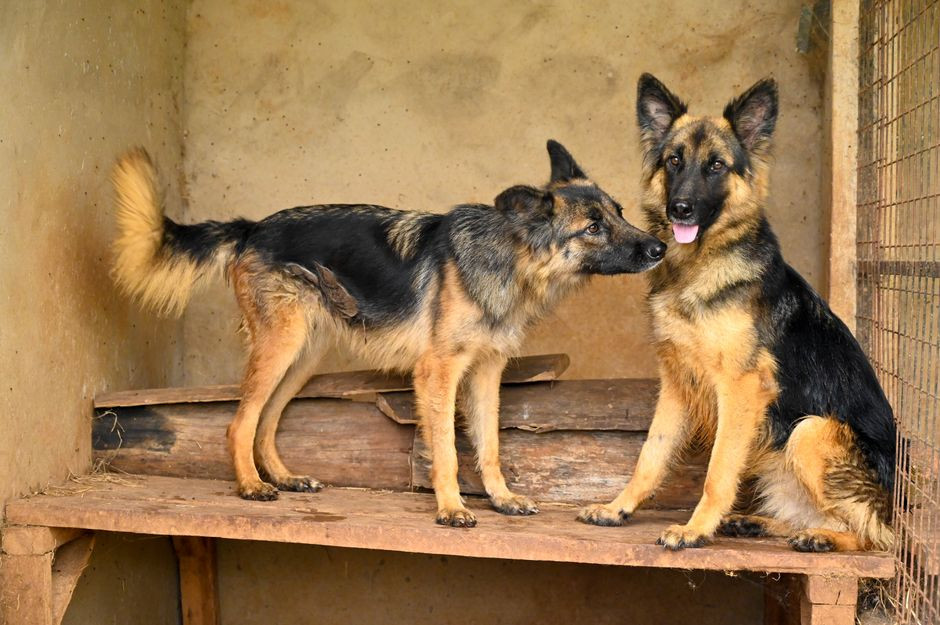
What a shelter dog’s body language can tell you
A striking pose can make a dog memorable, but posture is only one clue. Dogs often communicate with their whole body: soft eyes, a loose mouth, relaxed ears, and a gently wagging tail usually suggest comfort. A tucked tail, stiff legs, lip licking, yawning, turning away, or avoiding touch can point to stress or uncertainty.
Some dogs seem unusually calm in photos or during first meetings because they have learned to stay very still in a noisy environment. Others become bouncy only after they feel safe. If you are considering adoption, ask to see the dog in more than one setting, such as in a kennel, on a walk, and in a quieter room. That gives a better sense of the dog’s real temperament than a single charming moment.
How shelters and rescues usually evaluate dogs
Most shelters and rescues try to build a picture of each dog through daily care, handling, and observation. Staff and volunteers often note how a dog reacts to strangers, food, toys, other animals, grooming, and time alone. Foster homes can add especially useful information because behavior in a home is often different from behavior in a shelter.
These notes are not perfect predictions. Stress can make a friendly dog seem shut down, or make an energetic dog seem overwhelmed. That is why good matches usually rely on patterns over time rather than one test or one first impression. If you are interested in a dog, ask what routines help the dog settle, what triggers have been noticed, and whether the dog has spent time in a home environment.
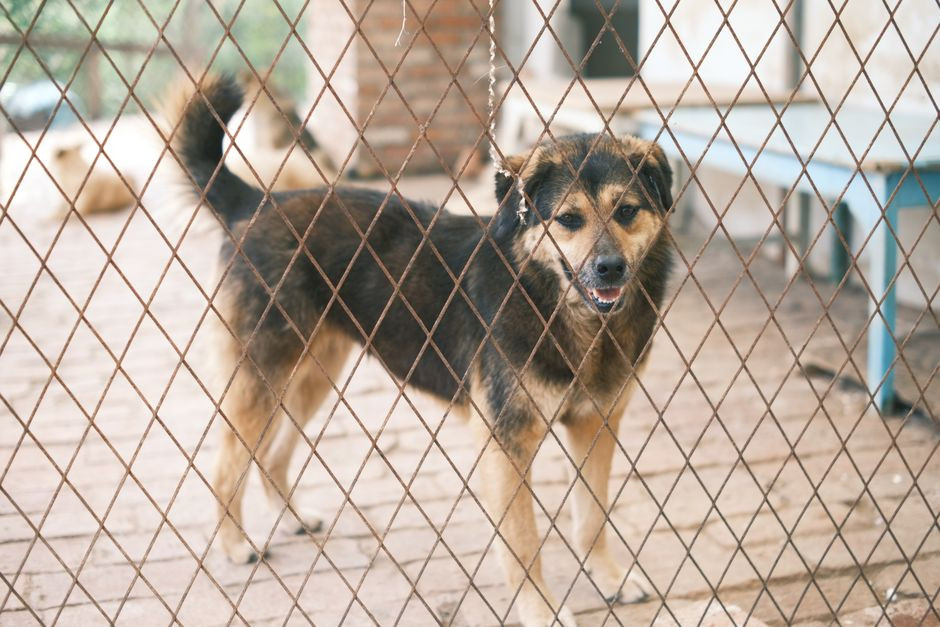
What to do before bringing a rescue dog home
The most useful preparation is a simple plan for the first days and weeks. Set up a quiet area with a bed, water, and a predictable routine for meals, walks, and rest. Keep introductions calm, especially with children and other pets. For dogs meeting cats, use barriers, leashes, and short sessions so both animals can learn safely.
Ask the shelter what food the dog is eating, what cues the dog knows, how the dog handles being left alone, and what kind of exercise is realistic. Expect an adjustment period. Many rescue dogs need time before their personality fully shows. Reward calm behavior, keep outings manageable, and contact a qualified trainer or behavior professional early if you see signs of fear, guarding, or escalating stress.
Share this article:





