A cat told this animal communicator its owner needed a new wardrobe

The message was not subtle. One cat, according to animal communicator Emma Dawn, wanted its owner to know their clothes were not working, and even took issue with the colors. For anyone who has ever felt judged by a feline stare, that story may land with suspicious familiarity. Dawn, who says she reads animals through images, sensations and flashes of meaning, has built a career around passing those thoughts along, including the ones owners may not be expecting.
Dawn says cats can be the cheekiest conversationalists she meets, even if they are not the easiest to get talking. In her experience, they are the animals most likely to hold back, test her, or simply decide they would rather not cooperate. She remembers one cat that answered every question with the opposite of the truth, purely to make her look wrong.
Then there was the feline fashion critic. Dawn says she received a message from a cat that its owner needed to change their style. The animal, she said, disapproved of the clothes and thought the colors did not suit the owner’s hair. It left Dawn deciding how, exactly, to pass on that kind of feedback without causing offense.
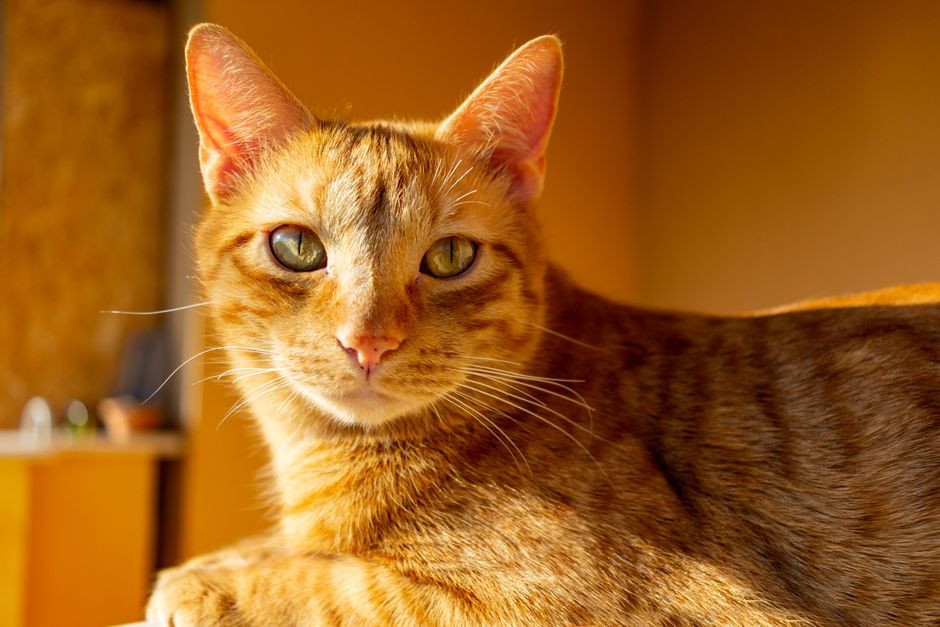
She does not stop at saying cats are mischievous. She also describes them as capable of being insulting, and says ginger cats are the worst for it. For a cat audience, that detail may feel less like a revelation than a confirmation.
From hairdresser to animal communicator
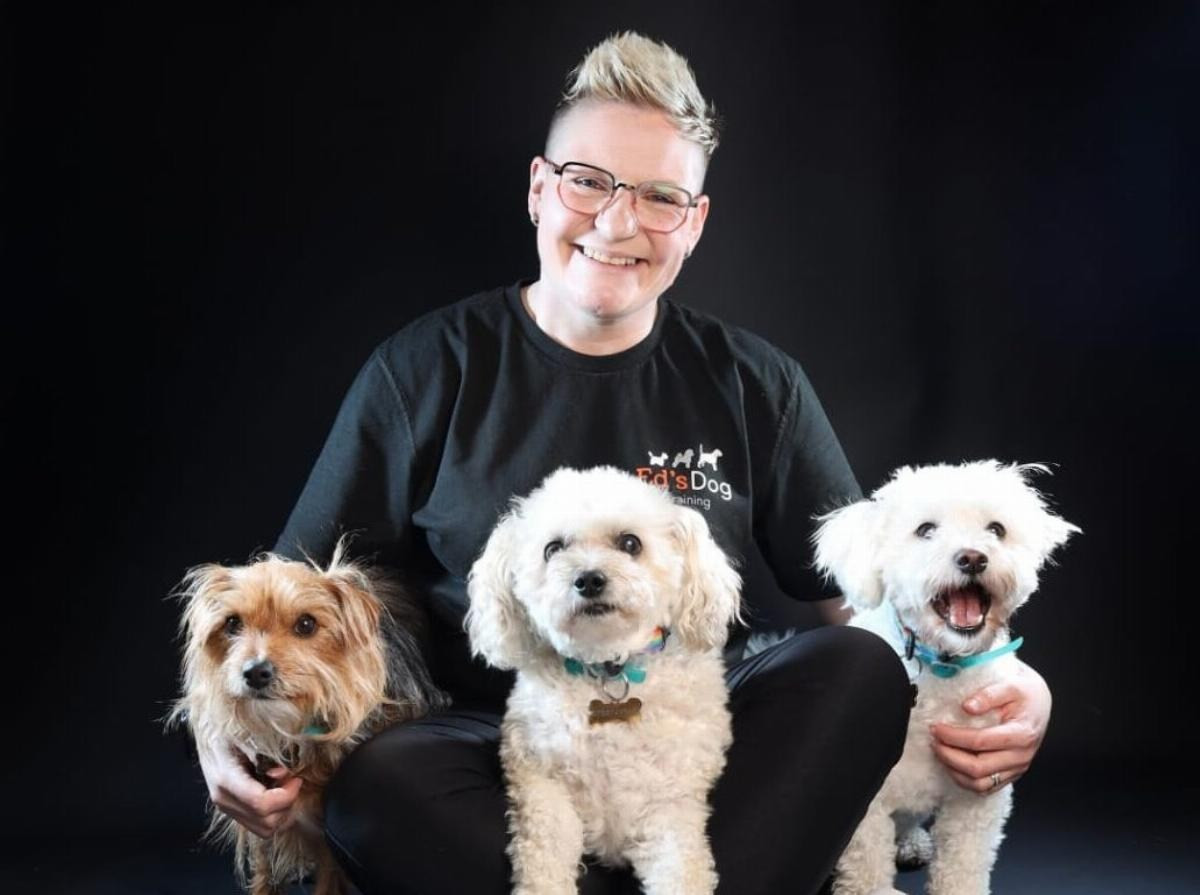
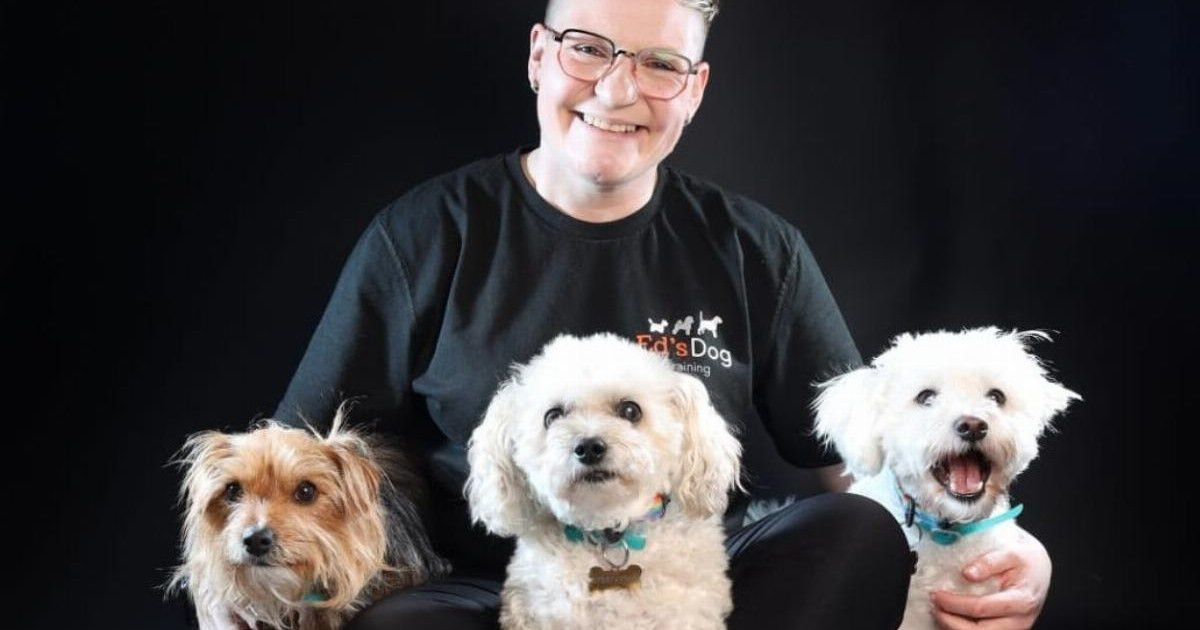
Dawn is 45 and lives in East Riding, Yorkshire. She says she used to work as a hairdresser before moving into a completely different line of work after seeing a professional pet communicator speak to her own dogs. That experience, she says, convinced her that this kind of communication was possible.
She describes herself as having always been "medialistic," a word she uses for her ability to speak to spirits by quieting her conscious mind and letting her subconscious take over. When she connects with an animal, she says the information usually arrives as pictures and short video-like impressions. She also says she can feel symptoms the animal has, which allows her to tell an owner where discomfort may be.
According to Dawn, veterinarians have checked some of these impressions and found that her sense of an animal’s symptoms is usually correct. She presents that as part of the reason she insists on evidence during a reading. Before she goes any further, she says, she asks the animal to give her something only the pet and the owner would know. Once she relays that detail, the owner can decide whether the message feels genuine.
She says she would not carry on with a reading without that step because she does not want people wondering whether she is inventing what she says.
Cats are difficult. Dogs are chatty.
If cats are guarded, Dawn says dogs are the opposite. In her telling, dogs are the biggest tell-alls in the pet world. She says they share their owners’ secrets with remarkable enthusiasm, including stories about sneaking food while on a diet and keeping it hidden from family or partners. Dogs, she says, also notice who comes to the house and take in much more than people realize.
Her warning to owners is simple: be careful what you say and do around your pets, because they are listening. Dawn believes animals can hear and understand humans, and that her role is to communicate in the other direction.
She says rescue animals often bring especially vivid memories. One rescue dog, she recalls, described being saved from a hole filled with snakes. When she repeated that image, the owner told her that was exactly what had happened.
Another rescue dog, brought to her because of behavior problems, described life on the streets before being adopted and said it had once been stabbed. Dawn links that account to the dog’s reluctance around other dogs. She says those kinds of cases can take work to unpack because dogs often present as cheerful even when something deeper is bothering them. In her view, they are skilled at masking and want people to think they are happy.
What a session looks like
Dawn says owners usually come to her when something about their pet has changed. Sometimes the animal seems happier than usual, sometimes more upset, and sometimes more reactive. In other cases, an owner simply feels that something is wrong and wants help finding the reason.
Before a session, she asks the owner for a list of questions. She also says she gives the pet a chance to ask questions too. Rather than using a rigid formula, she tries to build a conversation and drop questions into it. Once an animal starts, she says, the exchange can become a flood. She compares many of them to children, in the sense that once they get going, the filter disappears and the information keeps coming.
A typical conversation lasts around 45 minutes, according to Dawn, but she says she does not like to cut an animal off if it is fully engaged. She sees the experience as therapeutic for them. Her comparison is to suddenly finding someone who speaks your language after living among people who do not. In that situation, she suggests, it would make sense to want to get everything out.
The issues she says she uncovers are not always dramatic. One reactive dog, she says, was bothered because its harness was rubbing. Once the owner changed it, the problem went away. Another unhappy dog, she says, turned out to be missing a family member after the owner’s son went to university.
Believers, skeptics and the animals she likes best
Not everyone is convinced by what Dawn does, and she knows it. She says some people are curious, while others accuse her of making things up and taking money from owners. Her answer is that people believe what they want to believe.
Even so, she continues to frame her work as a straightforward exchange of information. The owner asks. The animal answers. Sometimes the answer is useful, sometimes emotional, and sometimes unexpectedly blunt.
Although cats provide some of her most memorable stories, they are not actually her favorite animals to connect with. Dawn says that honor goes to horses, because they see the world differently and because the energy they give off feels more similar to humans.
Cats, however, seem to dominate the tales people remember. Maybe that is because the image is so easy to picture: a cat pausing long enough to trust a stranger, only to use the opportunity to complain about somebody’s outfit. Dawn says communicating with her own dogs is not as easy as speaking with other people’s pets, but when it comes to other households, she presents herself as a go-between for every private opinion, hidden discomfort and overheard family secret.
For cat people, that leaves one final, slightly unnerving possibility. The stare from across the room might not be blank at all. It may be a fully formed critique. And if Dawn is right, some cats are more than happy to share it.
Share this article: