Steeple Ashton dachshund Wallace found in badger hole after two week search

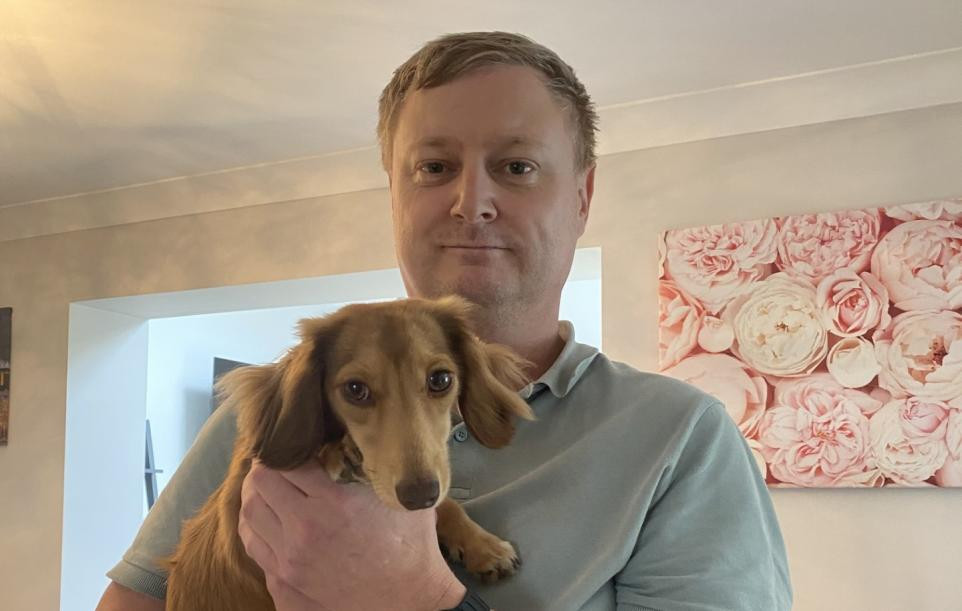
Steeple Ashton's missing dachshund Wallace was found in a badger hole on a local farm, ending a two week search that had drawn in villagers and search drones. The 11 month old pup is back with owners Mary and Brett Tarr after local farmer Simon Cottell and his son Will located him just before 4pm.
The moment Wallace was found came on Simon Cottell's farm, where the little dog had ended up in a badger hole. Mary Tarr said Simon and his son Will were the ones who found him, and that both kept going even after the rescue turned difficult.
Simon suffered a hamstring injury during the effort. Will was bitten. Mary still summed up the scene with gratitude, calling the farmer a hero and then widening that praise to everyone who had helped.
For Wallace's owners, the discovery ended two weeks of worry. Mary said the family had been thinking the worst. Wallace, an 11 month old dachshund, had been missing long enough for fear to settle in, especially because, as Mary put it, he is tiny and she had not believed they would find him.
How Wallace went missing
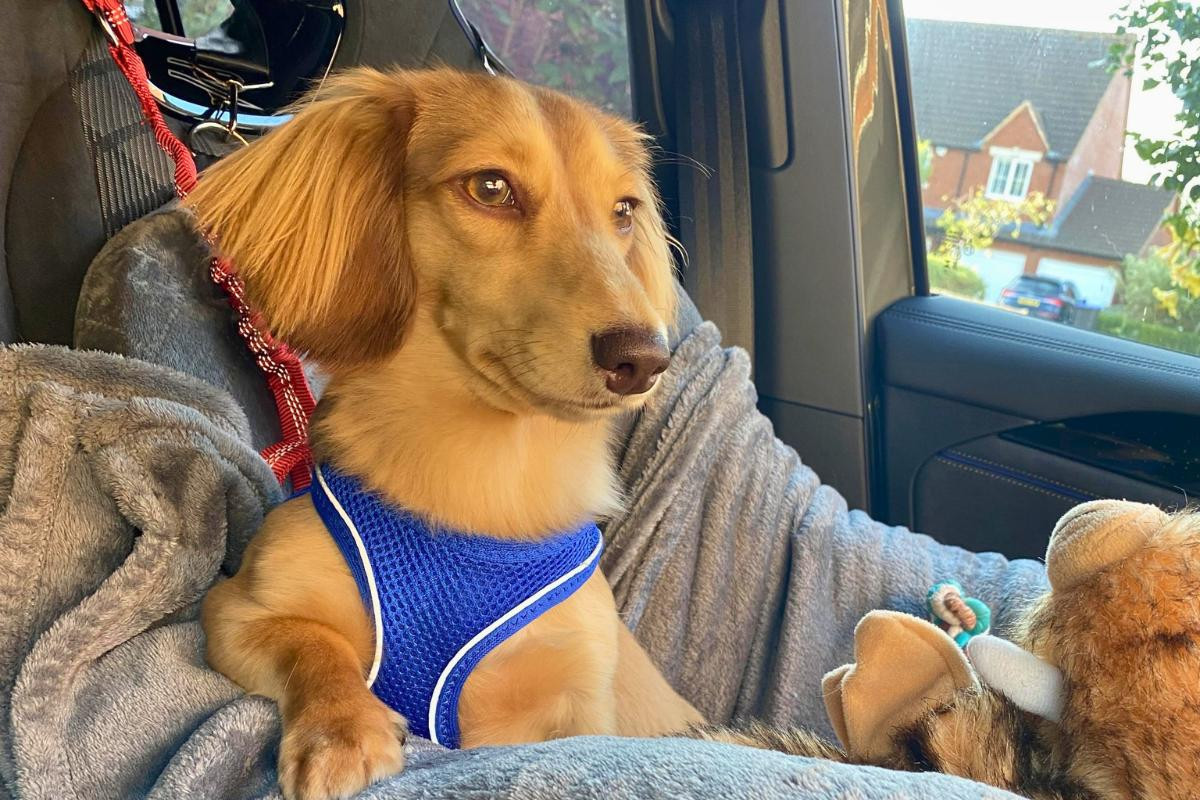
Wallace disappeared in Steeple Ashton near Trowbridge on August 10. Mary and Brett Tarr were left distraught after the pup was spooked by a cyclist and slipped out of his harness.
That split second sent his family into a long search. The reports of his disappearance spread through the village, and what started as one family's crisis became something much bigger, with local people turning out to look for a dog that did not even belong to a Steeple Ashton household.
Mary, who is from Hilperton, said the support started immediately. She said people in Steeple Ashton got involved from day one, a point that clearly stayed with her when Wallace was finally back in her arms.
A search carried by the whole village
The effort to find Wallace reached across fields and into the air. Search and rescue drones were deployed, and villagers spent the past two weeks searching fields in the area.
That combination of organised help and local persistence became one of the defining parts of Wallace's story. Mary described it as a real community effort. Her thanks were not limited to the people who physically found Wallace. She said the amount of love the family received from the community was amazing.
For pet owners, that detail may be one of the most striking parts of the reunion. Wallace's family did not live in Steeple Ashton, yet people there still turned out in force. Mary's message after the rescue was simple and direct: thank you to everyone. In her telling, there was no single star of the search, even with Simon and Will making the final discovery. Everyone who looked, searched and stayed involved had a part in Wallace getting home.
Home, checked over, and given a new name
After Wallace was recovered, Mary said he was taken to Harris, Hill and Gibbons vets to be checked over. The signs of his ordeal were visible. He had lost a lot of weight, she said, and would need to be fed slowly.
Even so, the first report from home was encouraging. Mary said Wallace was doing alright. That practical update, coming right after such a long absence, was the kind of news his supporters had been hoping for through the search.
The emotional part was just as clear. Mary said she and her family were over the moon to have their baby home and were deeply grateful to everyone who had helped. Wallace also came back from the experience with a bigger name. Mary said that after what he had been through, he would now be called William Wallace the Brave.
It is a name that carries the whole story with it: a small dachshund who vanished after being startled, a village that kept looking, a farm search that ended in a badger hole, and a family who got to bring their dog back home.
Why some dogs vanish into holes
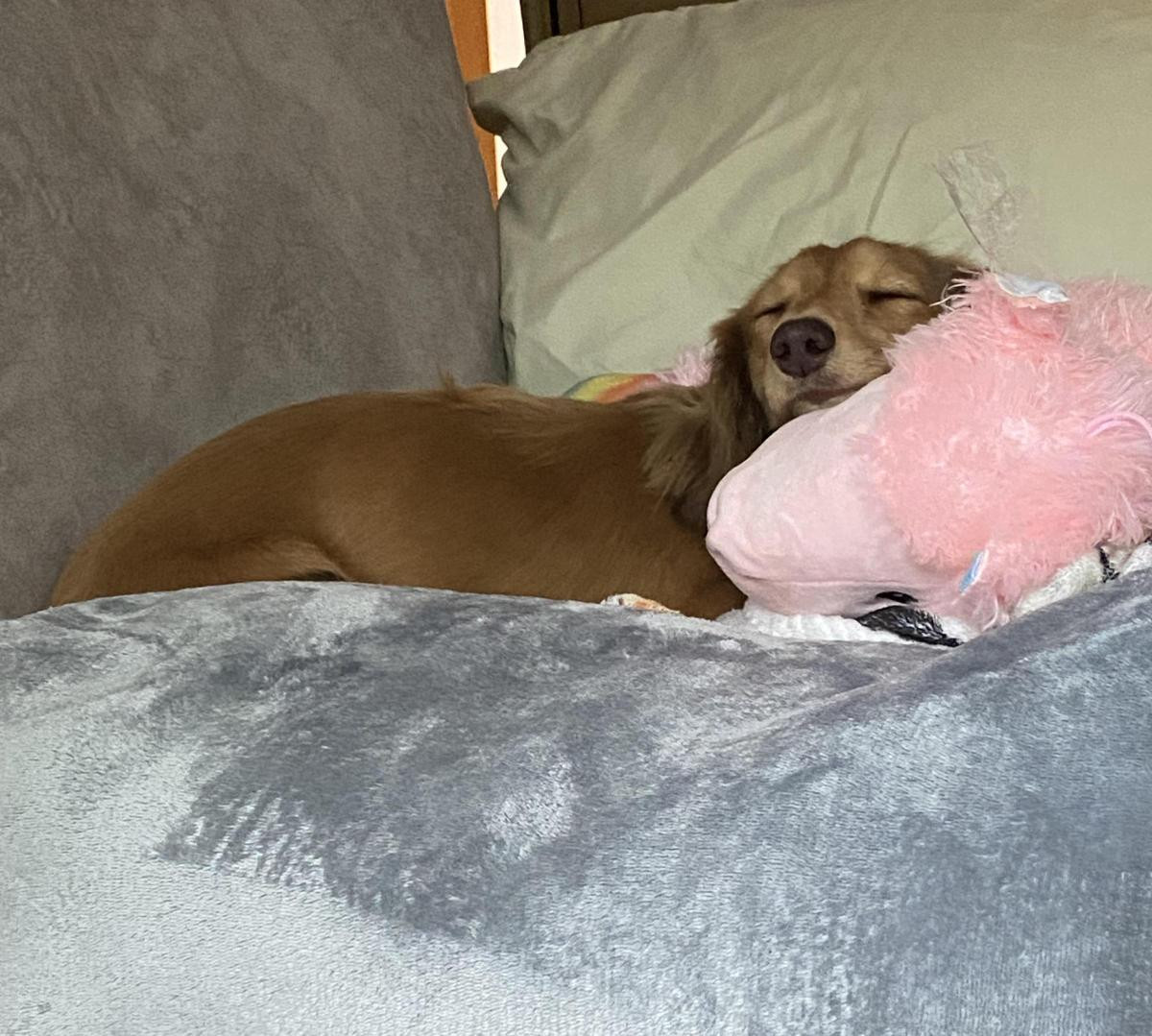
Some dogs are more likely than others to investigate burrows, drains, dense hedges and gaps under roots. Dachshunds were developed to follow scent and go to ground after quarry, so tunnelling, digging and squeezing into tight spaces can be a strong instinct rather than simple disobedience.
That matters because an underground space can be much larger than it looks from the surface, with side tunnels, soft soil and narrow turns. A dog may become stuck, lose its way, stay hidden because it is frightened, or remain silent after barking for a while. Wildlife burrows can also be occupied, which adds risk for both the dog and the wild animal.
If your dog is the type to follow scent with determination, treat rough banks, woodland edges, old earths and overgrown field margins as higher risk areas. A secure harness, a long line in unfenced places, and reliable identification such as a tag and microchip all improve the chances of a quick reunion.
How to search usefully
The first priority is to narrow the search area. Go back to the last known point and look slowly rather than walking fast past likely hiding places. Check holes, bramble patches, culverts, sheds, under decking and around fallen trees. Stop often to listen. Whining, scratching, movement underground or even sudden silence from wildlife can be clues.
Use familiar scent and routine. Leave out bedding, an unwashed item of your clothing, and strong smelling food if safe to do so. Call calmly and consistently. Some frightened dogs avoid large, noisy search parties, so a smaller number of quiet searchers can work better.
Spread clear, recent photos locally and ask neighbours, walkers, farm staff and delivery drivers to check enclosed spaces on their property. Contact nearby vets, rescue centres and animal wardens, because found dogs are often reported through several different channels.
If you think a dog is trapped underground
Do not dig blindly unless professionals tell you it is safe. Burrows can collapse, shift air flow and make access harder. There may also be wildlife inside. Instead, mark every visible entrance, keep the area quiet, and watch for any movement, sounds or fresh soil.
If you can hear the dog, note exactly where the sound is strongest and call the appropriate rescue service or an experienced animal rescue team. Share the layout of the site, when the dog was last seen, and whether there are multiple openings.
Once the dog is out, arrange a veterinary check even if it seems lively. Underground entrapment can lead to dehydration, exhaustion, cuts, crushed nails, breathing irritation and hidden soft tissue injury.
Share this article: