Mechanic Pulls Orange Kitten From a Car and Ends Up Giving Him a Home

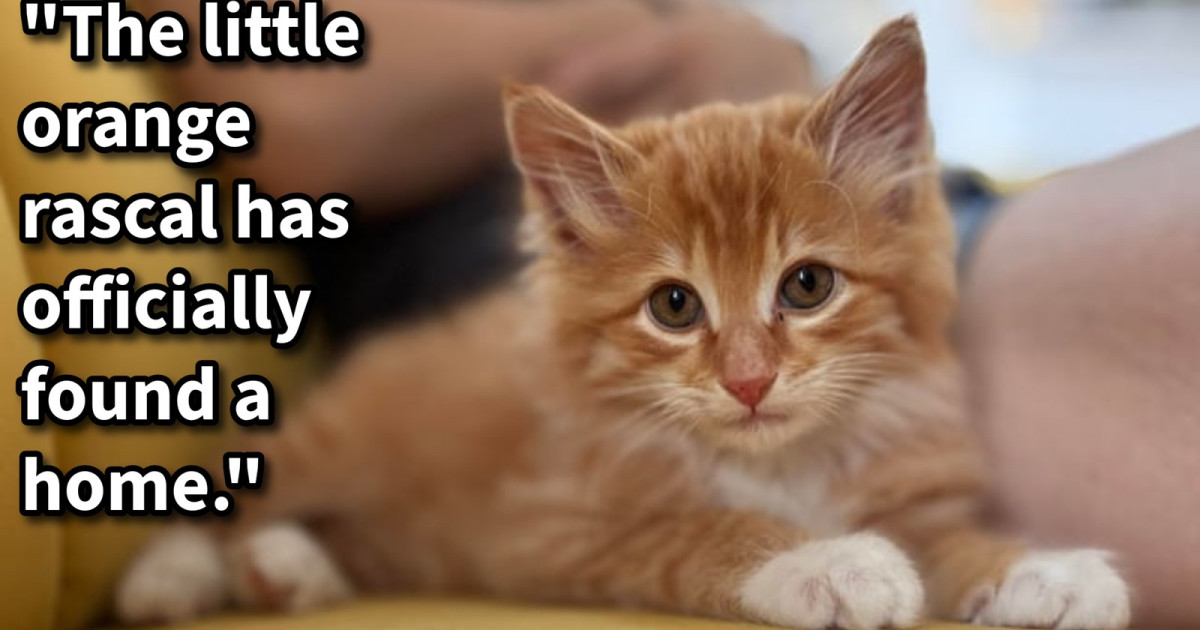
The moment a tiny orange kitten was pulled out of a car could have ended as a simple rescue. Instead, it became the beginning of Hamish's new life. The mechanic who got him to safety ended up keeping him.
The heart of this story is the rescue itself. Someone realized a kitten had crawled into a car, which meant help could reach him before the situation turned worse. With the kind of skill needed to work around the tight spaces inside a vehicle, a mechanic managed to get the little orange cat out.
That lucky discovery changed everything. Rather than becoming a frightening what-if, the kitten's time inside the car ended with him safe and accounted for. He was found in good health and good condition, an especially comforting detail considering where he had been hiding.
From rescue to forever home
The best part came next. The person who pulled the kitten out did not just rescue him and move on. He became the kitten's owner.
The orange newcomer was given the name Hamish, and his new home already had company waiting for him. Hamish joined a household with two feline siblings, turning an unusual rescue into the start of life in a ready-made cat family.
That is what makes the story feel so personal for cat lovers. So many found kittens do not go straight into a permanent home. Hamish did. In the shared account of his rescue and adoption, his rescuer put it simply: "This little guy has stolen my heart!"
For anyone who believes cats have a way of finding exactly the right people, Hamish makes a strong case. He was discovered in an unlikely place, saved by someone with the right know-how, and stayed with the person who first brought him to safety.
Why kittens end up inside cars
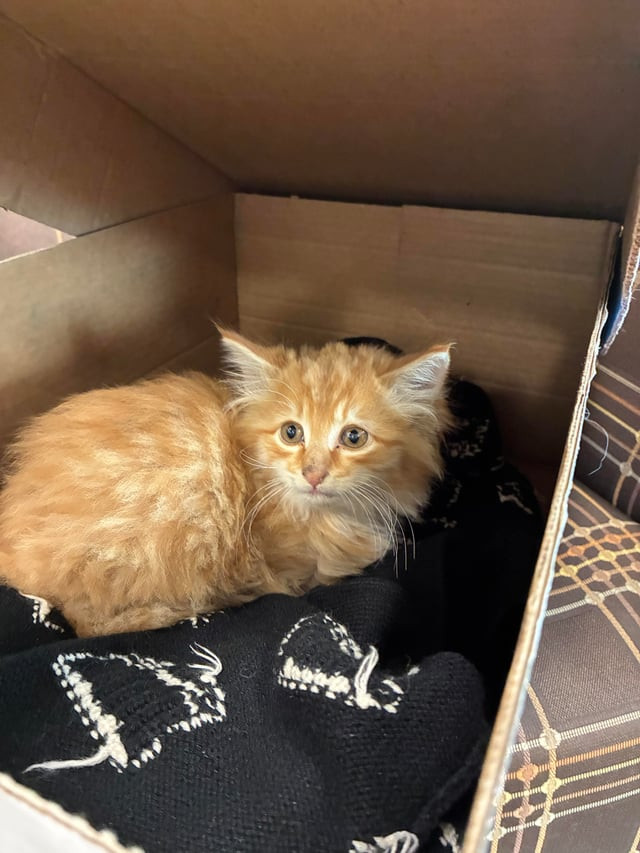
Cats look for small, dark, sheltered spaces when they are frightened, cold, or simply curious. A parked vehicle offers warmth, cover from rain, and many hiding places around the tires, wheel wells, undercarriage, and engine bay. Kittens are especially likely to crawl into tight gaps because they can fit where an adult cat cannot.
Once inside, a cat may stay quiet. Fear can make kittens freeze rather than cry out, which is why people sometimes do not notice them until they hear a faint meow or see movement. Vehicles are dangerous places for animals because hot parts, moving belts, fans, and sudden motion can cause severe injury. That is why a quick check before driving can save a life, especially in cooler weather or in areas where outdoor cats are common.
How to check your car safely
Before starting the engine, look around the tires and under the car. If you suspect a cat may be hiding, tap the hood, knock on the side of the vehicle, and wait a moment. Some people also honk briefly to encourage an animal to move away. If you hear meowing, do not start the car.
Open the hood carefully and inspect only if it is safe to do so. Use a flashlight and look into corners rather than reaching blindly near parts that could shift or snag skin. If the kitten is visible but trapped, it may be safer to ask a mechanic, roadside service, or local animal rescue for help. A frightened kitten may bolt, so close nearby doors if possible and prepare a towel or carrier before attempting a rescue.
What a rescued kitten may need next
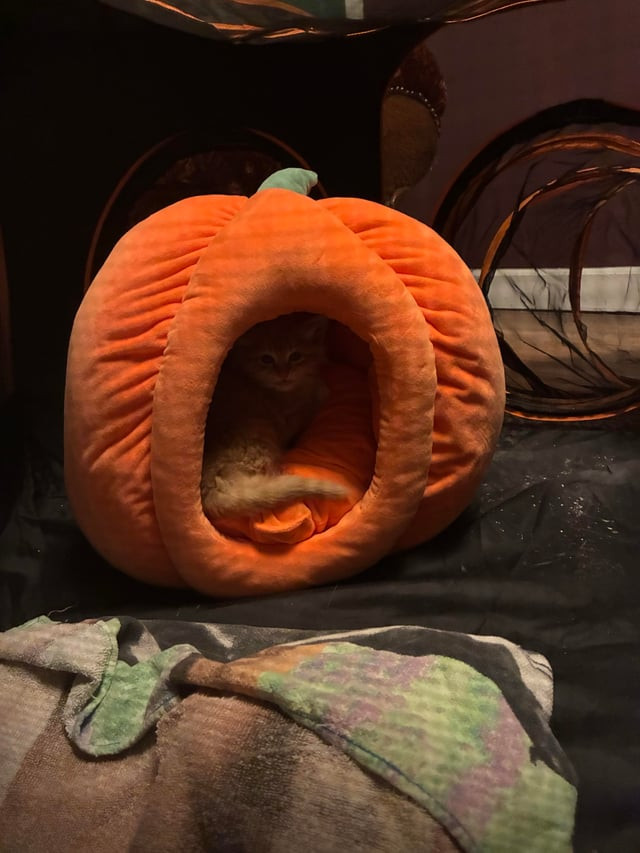
A kitten pulled from a vehicle may be scared, dirty, dehydrated, or injured even if it seems alert. Keep it warm, quiet, and contained. A carrier or a sturdy box with air holes and a soft towel works well for transport. Offer water, but avoid forcing food right away if the kitten is stressed.
A veterinary check is the best next step. Young kittens can have hidden injuries, parasites, or infections, and age matters because feeding needs change quickly during kittenhood. If the kitten is healthy enough to stay with you, set up a small room with a litter tray, food, water, and a safe hiding spot. Slow, calm handling helps build trust. If you cannot keep the kitten, contact a shelter or rescue group promptly so it can receive proper care and placement.
Share this article: