Kitten Rescued From Police Car on Long Island Sparks Instant Cat-Lover Curiosity

For cat people, the setup almost tells its own story: a kitten, a police car, and a rescue on Long Island. Even with only a few confirmed details, it is the kind of feline headline that immediately makes you stop and picture the moment.
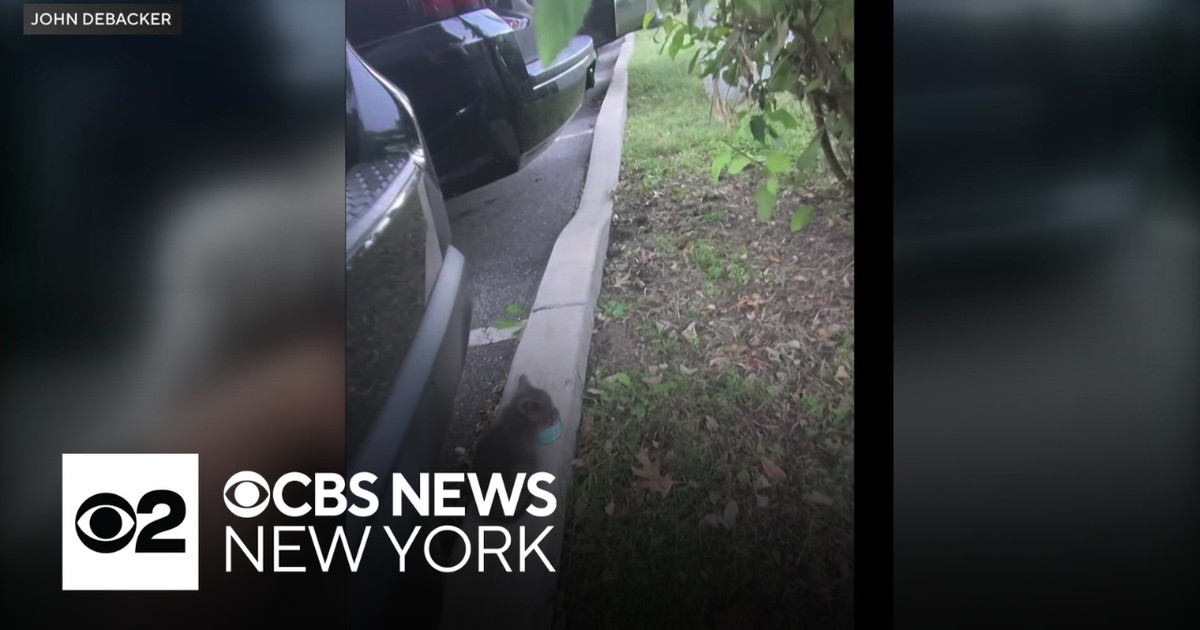
The essential fact is simple and undeniably cat-sized in its pull. A kitten was rescued from a police car on Long Island.
That bare outline leaves plenty of room for curiosity, because it combines two things that tend to grab attention right away: a very small animal and a very official vehicle. For anyone who loves cats, the phrase alone is enough to conjure the kind of scene that can turn an ordinary day into a memorable one.
What is confirmed is that the animal at the center of it was a kitten, and that the rescue involved a police car on Long Island. The ending, at least in the most important sense, is clear from the headline itself: the kitten was rescued.
Sometimes a cat story lands not because of a long list of details, but because of how instantly vivid the situation sounds. A kitten in or on a police car is exactly that kind of image. It is unusual, a little mysterious, and easy to understand in a heartbeat. The smallest feline predicaments have a way of becoming very big news for people who cannot resist them.
So while the public account attached to this incident is brief, the heart of it is easy to appreciate. On Long Island, a kitten needed help connected to a police car, and that help arrived. For cat lovers, that is the part worth holding onto: this tiny passenger, visitor, or surprise encounter ended with a rescue.
Why cats end up in cars
Cats and kittens are drawn to parked vehicles because cars offer warmth, shade, and hiding places. The engine bay, wheel well, undercarriage, and space behind bumpers can all feel like sheltered dens, especially to a frightened or very young animal. Small kittens can squeeze through gaps that look impossibly narrow to people.
A cat tucked into a vehicle may stay silent at first, then cry once the car moves or the engine noise stops. That is why many animal rescuers and mechanics advise a quick check before driving if a cat has been seen nearby. A walk around the car, a look near the tires, and a tap on the hood can sometimes flush out a hidden animal before it is in danger.
What to do if you suspect a kitten is inside
Do not start the car if you hear meowing or see fur near the wheels or under the hood. If the engine is already running, switch it off as soon as it is safe to do so. Open the hood carefully and use a flashlight. Look from several angles, because a kitten may be wedged deep in the engine bay or clinging underneath.
Do not reach blindly into tight spaces. Hot parts, sharp edges, and sudden movement can injure both you and the animal. Try a calm voice, food, or a towel placed nearby to encourage the kitten out. If the kitten cannot be reached safely, contact a mechanic, roadside service, or a local rescue group with experience handling trapped animals.
After the rescue
Once the kitten is out, place it in a secure carrier or box with air holes and a soft towel. Keep it warm, quiet, and away from other pets. Check for obvious injuries, breathing trouble, weakness, or heavy flea infestation. Very young kittens can decline quickly if they are cold or dehydrated, so prompt veterinary advice matters.
If the kitten seems healthy, a vet or shelter can check for a microchip and advise on age, feeding, and whether a mother cat may be nearby. Do not give cow's milk. Young kittens need species appropriate formula, and older kittens do best with kitten food and fresh water. A fast check by a professional can turn a dramatic rescue into a much safer start.
Share this article: