
From an Auto Shop Wall to a Forever Home, a Tucson Kitten Gets a Happy Ending

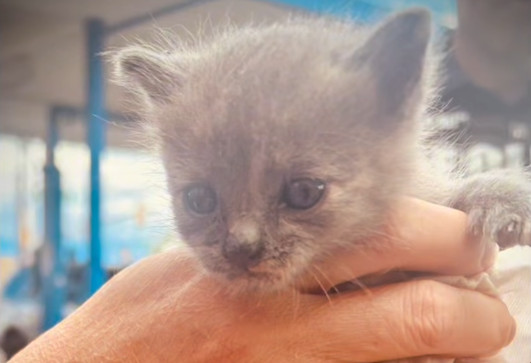
A Tucson kitten's story turns on one unforgettable image: a small cat rescued from inside an auto shop wall, then given the ending every cat lover wants. The kitten has now found a forever home.
The rescue and the adoption are the two defining beats of this little feline journey. In Tucson, a kitten was pulled from a wall at an auto shop, transforming a strange and troubling place for a cat into the beginning of a much brighter chapter.
Now, that chapter has its happy conclusion. The kitten has a permanent home, closing the loop on a story that starts with rescue and ends with belonging.
For readers who love stories about cats finding their people, that simple arc is the heart of it. A kitten that once needed help inside a shop wall is no longer just a rescue. It is a cat with a forever home.
Why kittens turn up in hidden places
Very young kittens are often found in places people would never expect: inside walls, under porches, in sheds, and around parked vehicles. Mother cats look for warm, quiet, sheltered spots that are hard for larger animals and people to reach. Garages and workspaces can seem safe to a cat because they offer cover, warmth, and little foot traffic at certain times of day.
A kitten may also wander away from its nesting spot before it is strong enough to climb back. That is why crying sounds from behind drywall, under cabinets, or near equipment should be taken seriously. If a kitten is in or around a vehicle, always check the engine area, wheel wells, and undercarriage before starting it, especially in cooler weather when animals seek warmth.
What to do if you find a kitten
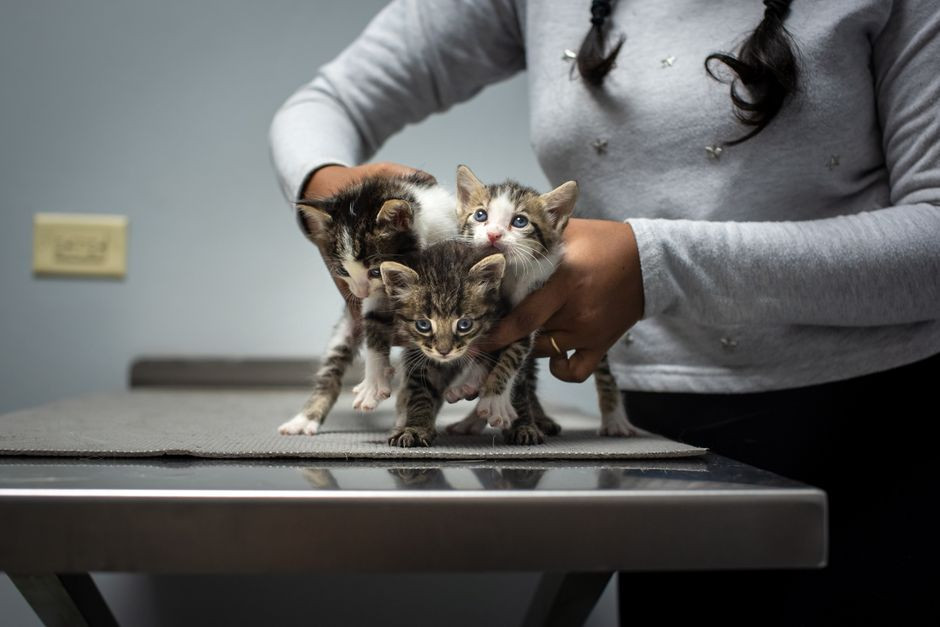
First, pause and assess. A kitten that looks clean, warm, and quiet may have a mother nearby. If there is no immediate danger, watching from a distance for a while can help you avoid separating a family that is still being cared for. If the kitten is cold, weak, injured, trapped, or in a hazardous spot, act more quickly.
Use gloves or a towel for handling, and keep the kitten warm and contained in a box or carrier lined with soft cloth. Cow's milk is not a good choice for kittens and can upset their stomachs. If feeding is needed, kitten formula is the usual safe option until a veterinarian or experienced rescuer can advise.
For a kitten behind a wall or in a tight space, try to pinpoint the sound before opening anything. Reduce noise, listen carefully, and look for nearby access points such as vents, crawl spaces, or gaps near pipes. Food, a warm bed, and recordings of kitten cries can sometimes encourage a mother cat to retrieve the kitten. If cutting into a wall or moving equipment may be necessary, bringing in someone with rescue or property maintenance experience is often safest.
Helping a rescued kitten settle in
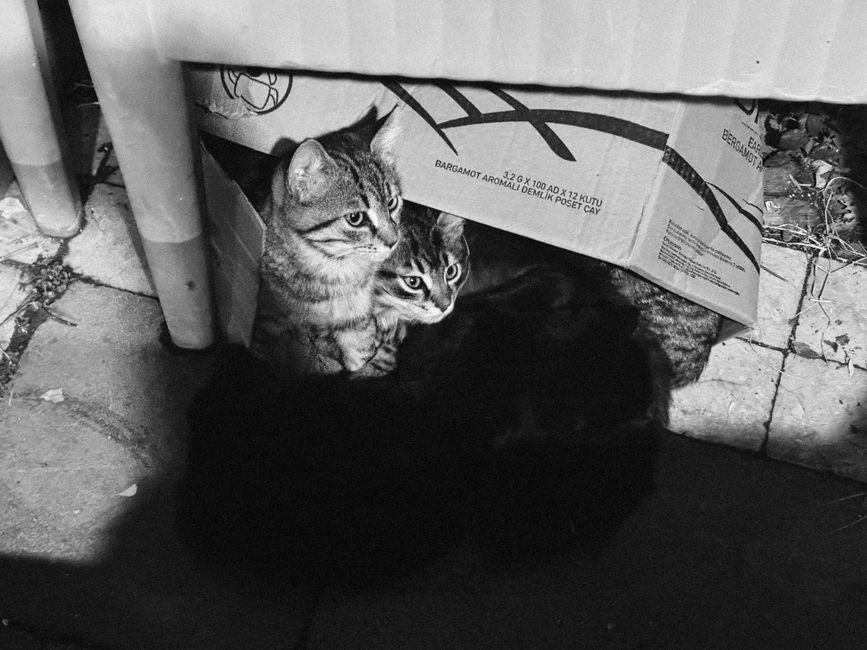
Once a kitten is safe, a small, quiet room is usually the easiest place for it to adjust. Provide water, a shallow litter tray, a hiding spot, and soft bedding. Keep other pets separate at first. Gentle, regular handling helps social kittens build trust, while frightened kittens often do better with a slower approach and predictable routine.
A veterinary check is one of the most useful next steps. A kitten may need help with hydration, parasites, minor injuries, and planning for routine care as it grows. If you cannot keep the kitten long term, clear notes on its behavior, where it was found, and what it has eaten can make fostering or adoption much smoother.
Share this article:





