
Kitten Survives 800-Mile Ride Under Car and Finds a Forever Home in Georgia

One very small stowaway made an enormous trip. A kitten later named Jersey survived nearly 800 miles tucked into a car's undercarriage from New Jersey to Georgia, then was pulled out, checked by a vet and eventually adopted.
A surprise waiting under the car
Jersey's story began with a drive from Mount Laurel, New Jersey, back to the University of Georgia in August. The driver, Jadyn Sawyer, is a third-year ecology major at the school.
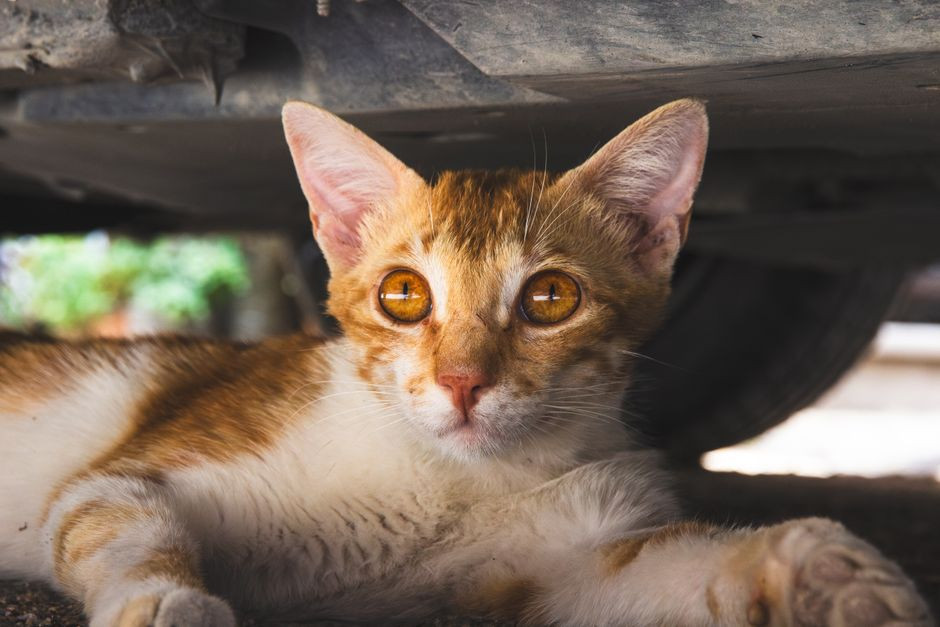
After parking, Sawyer stepped away from the car for about five minutes. When she came back, she spotted something startling: a tiny leg sticking out of a hole underneath the vehicle. She had not seen or heard a kitten during the trip, and believed he had climbed into the car while it was still in New Jersey.
For cat people, it is the kind of discovery that instantly turns an ordinary day into a rescue mission.
Getting Jersey out safely
Sawyer called campus police, who then contacted Cat Zip Alliance, also known as Campus Cats. Kelly Bettinger, the group's founder, said officers first tried to reach the kitten through the engine but could not get to him.
With Sawyer's permission, they also tried removing the lining under the car. That still did not create a big enough opening. The kitten was limp, but he was responsive.
Sawyer and Bettinger then drove the car to a nearby Tires Plus. Mechanics put the vehicle on a lift and kept taking apart sections of the undercarriage until Bettinger could finally reach in and pull the kitten free. The shop did not charge for the work, even though Bettinger offered to pay.
Once he was out, Jersey was panting. He was given water and cooled down, then taken for a veterinary exam. The veterinarian, Dr. Dodd, found no obvious problems apart from a mild kitten cold. He weighed 2.5 pounds, which put him at about 10 weeks old. Bettinger said he purred enthusiastically while being held at the clinic.
From stowaway to house cat
Bettinger described the kitten's ordeal as quite an adventure, and Jersey did not stop there. He also went on to do what many kittens do best, win people over.
In a Sept. 6 update, Bettinger described him, by then about 3.5 months old, as super sweet, gentle, playful and cuddly. She also said he made cute little silent meows when people talked to him.
The rescue group believed Jersey needed a home with other cats. Bettinger shared one especially telling detail from a visit to her mother's home: Jersey tried hard to befriend a cat figurine while her mother's actual cat ignored him.
That social streak helped point the way to his next chapter. In early September, Jersey was adopted by a family in the Athens, Georgia, area. After a journey no kitten should ever have to make, he ended up exactly where cat lovers would want him: safe, wanted and finally home.
Why cats hide in cars
Cats, especially kittens, look for small dark spaces that feel warm, dry and protected. A parked car can offer all three. Common hiding spots include the engine bay, behind the wheels and underbody panels. Young cats can squeeze through gaps that seem far too small, and fear can keep them silent once the vehicle starts moving.
How to check before driving
A quick check can prevent injury. Look under the car, check around the tires and wheel wells, and listen for mewing. In cooler or wet weather, tap the hood and give a short pause before starting the engine. If you suspect an animal is inside, turn the car off, let hot parts cool, and use a flashlight. Avoid reaching into tight mechanical spaces where a frightened kitten could bolt or get hurt.
If you find a kitten
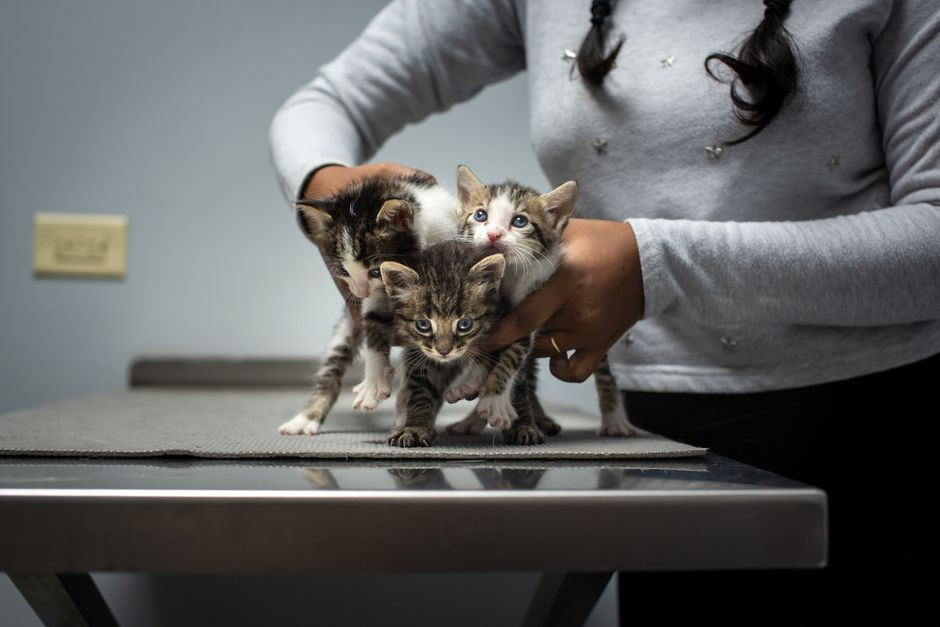
Move the kitten to a warm, quiet carrier or box with a towel. Offer water, but use food carefully if the kitten seems weak or chilled. Very young kittens need frequent feeding and help staying warm, so a veterinarian or shelter can advise on age, hydration and parasites. Scan for a microchip if possible, and keep any resident pets separate at first.
Share this article:





