
Five rescued puppies flew from Alabama to Central Florida for a fresh start

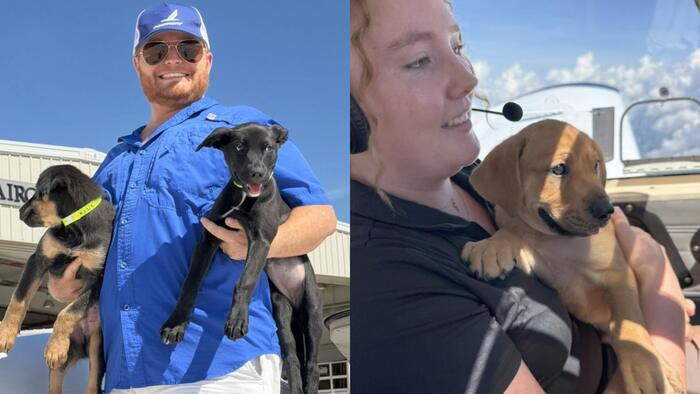
Five rescued puppies set out from Alabama with a clear mission ahead of them: reach the rescue groups waiting in Central Florida. When their trip ended in Apopka, they were one step closer to the permanent homes Puppy Rescue Flights is working to help them find.
A relay in the sky for five small passengers
Puppy Rescue Flights completed the weekend mission as part of its continuing work to give rescued animals another chance. The nonprofit moved the puppies from Alabama to partner rescue organizations in Central Florida, using a route built around volunteer pilots and coordinated handoffs.
The puppies first traveled to Enterprise Municipal Airport in Enterprise. From there, Central Florida pilots took over and continued the flight to Apopka. After the plane arrived, the puppies were transferred to the rescue organizations set to receive them.
How the trip came together
The flight depended on a long list of people giving what they could. Volunteer pilots provided both their time and their aircraft for the rescue route. Puppy Rescue Flights covered the aviation fuel costs, while rescue partners, volunteers and donors helped make the mission possible.
That system is central to how the organization operates. Puppy Rescue Flights coordinates volunteer pilots and rescue partners to move puppies from places with fewer resources to communities where adoption opportunities are stronger. Its guiding motto is “Leave no pup behind,” a principle tied to founder and president Michael Young.
For these five puppies, the flight was more than transportation. It marked the start of a new chapter and brought them closer to the loving homes waiting somewhere ahead.
Why rescue dogs are moved long distances
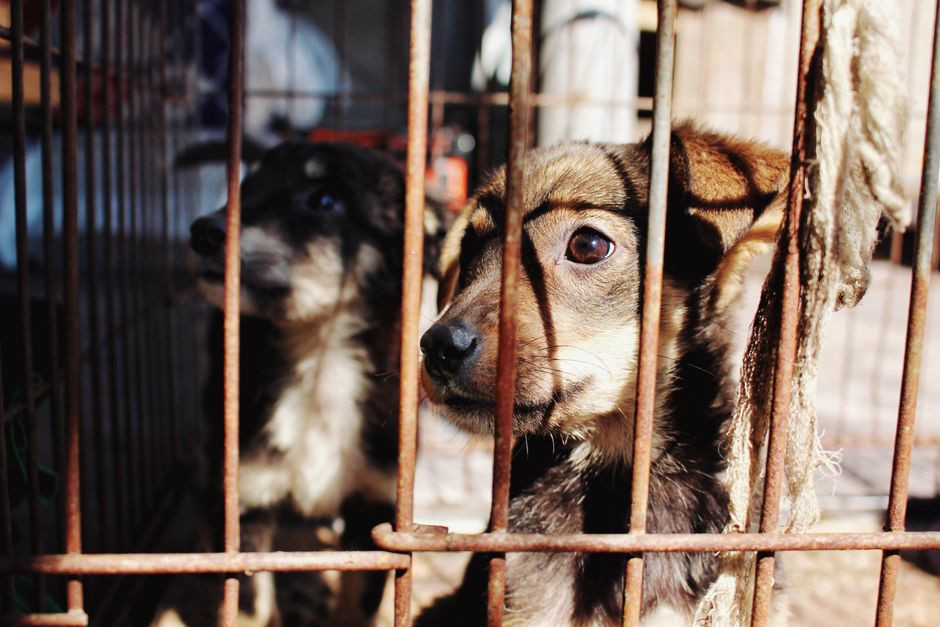
Animal rescues and shelters sometimes transfer dogs from one region to another when local demand, kennel space, staffing, or veterinary capacity do not match the number of animals coming in. Puppies often find homes quickly in some places, while other areas may be overwhelmed by stray litters, owner surrenders, or seasonal surges.
Transport can give dogs access to foster homes, medical care, and adopters that might not be available nearby. It also helps rescue groups spread out the workload instead of leaving one shelter to handle everything alone. For very young dogs, moving into a quieter foster home can be especially helpful because it allows more individual care, socialization, and observation than a crowded kennel may provide.
How rescue flights and transfers usually work
When dogs are moved by air, the trip is usually planned around safety, stress reduction, and paperwork. Rescue teams typically arrange crates, feeding schedules, bathroom breaks, and basic health checks before travel. Puppies may travel with littermates or be grouped by size and age, depending on what is safest.
Most receiving rescues want records that show where the dog came from, what veterinary care has already been done, and whether there are any medical or behavior concerns to watch for. Travel itself can be tiring, so many dogs need a decompression period after arrival. That can mean a calm room, limited visitors, predictable meals, and short, gentle outings rather than immediate excitement.
Anyone interested in supporting transport rescues can help by fostering, donating sturdy crates and bedding, or volunteering for ground legs that connect shelters, airports, and foster homes.
What to ask before adopting a transported puppy
If you are considering adoption, ask practical questions first. Has the puppy been examined by a veterinarian. What vaccinations or parasite treatment has it already received. Is there a plan for follow up care. What does the rescue know about the puppy's appetite, energy level, sleep, and comfort around people, other dogs, and handling.
Also ask how the rescue manages the first days after transport. Good groups usually have a clear handoff process, guidance on settling in, and a point of contact if problems come up. For puppies, expect extra work. House training, chewing, nighttime waking, and socialization are normal. Set up a crate or pen, keep routines simple, and book your own vet visit soon after adoption so you can start care on a steady footing.
Share this article:





