
Three Wild Dog Brothers Crossed Zambia in Africa’s Longest Recorded Mammal Journey

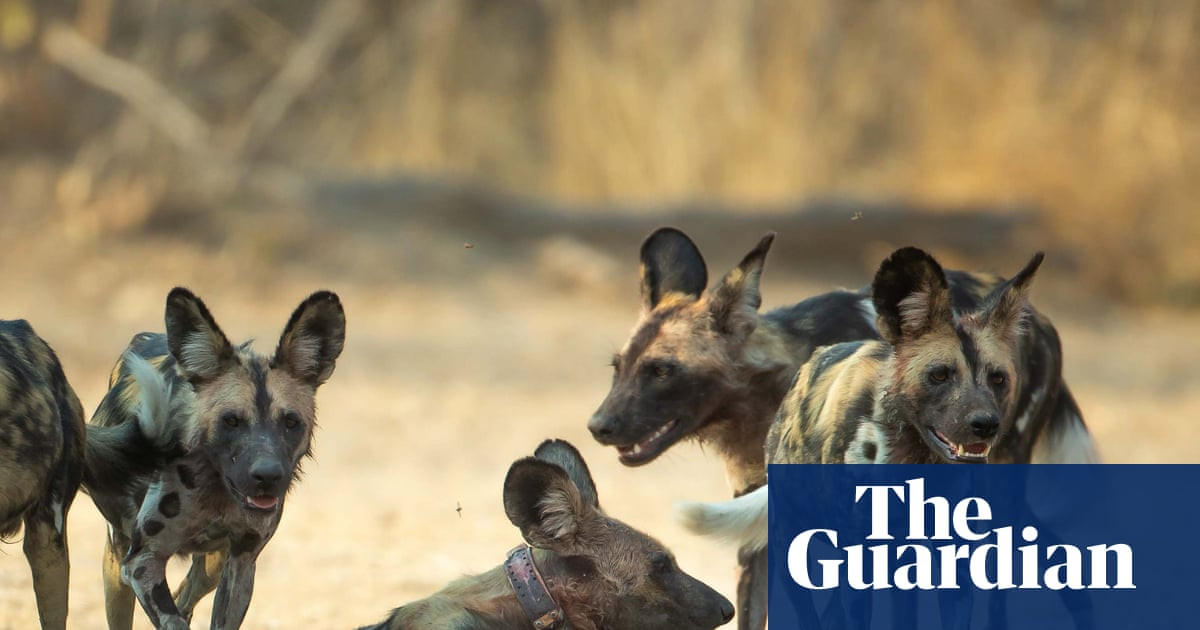
Three wild dog brothers set out across Zambia with a simple, urgent problem: they had grown up, and their family pack would no longer be home. By the time they reached the Luangwa valley, they had completed the longest single journey ever recorded for any mammal in Africa.
A home to find, and a record to break
The brothers were endangered African wild dogs, and like other young dogs coming of age, they had to leave their natal pack and strike out in search of territory, mates and a future of their own. Scientists following their movements watched that ordinary life stage turn into something remarkable.
Over eight months, the three siblings traveled more than 2,500 miles, or 4,100 kilometers, during their dispersal across Zambia. Researchers said that made it the longest ever recorded single journey by any mammal on the continent. Even the straight line from where they began in Kafue national park in western Zambia to where they finished in the Luangwa valley in the east measured 340 miles, or 546 kilometers, also a record.
For scale, their route was described as roughly comparable to walking the length of Chile, and longer than the better known migrations of wildebeest and zebra across the Serengeti. The previous record stood at 2,418 miles and was also set by African wild dogs, in a 2012 movement from Loliondo in northern Tanzania’s Ngorongoro district to Tsavo West national park in southern Kenya.
What the dogs had to cross
Their trek mattered not just because of the distance, but because of the landscape they had to thread through. The dogs moved across a human-dominated environment where the hazards were constant. Researchers said they had to avoid cars and hunters while navigating areas where bushmeat snares posed another threat.
The journey underlined a basic fact about wild dogs. They need to move. Unlike species that can settle behind the boundaries of a single protected area, African wild dogs often have to range widely when they disperse, especially if they are to find unrelated mates and form new packs. Scientists involved in the work said the brothers’ success shows that natural links between major wildlife areas still exist.
At the same time, the trip showed how hard and risky those connections have become. Rather than seeing fenced reserves as the only answer, the researchers argued that the brothers’ route points to the value of keeping whole landscapes connected. In their view, the animals themselves are demonstrating that connectivity can still function, if those passages are protected and strengthened.
A reunion in the copper belt
The brothers were not the only dogs being tracked. Scientists monitored 19 separate groups of wild dogs as part of their work on dispersal, including a group of sisters related to the three males. Their story was much less fortunate.
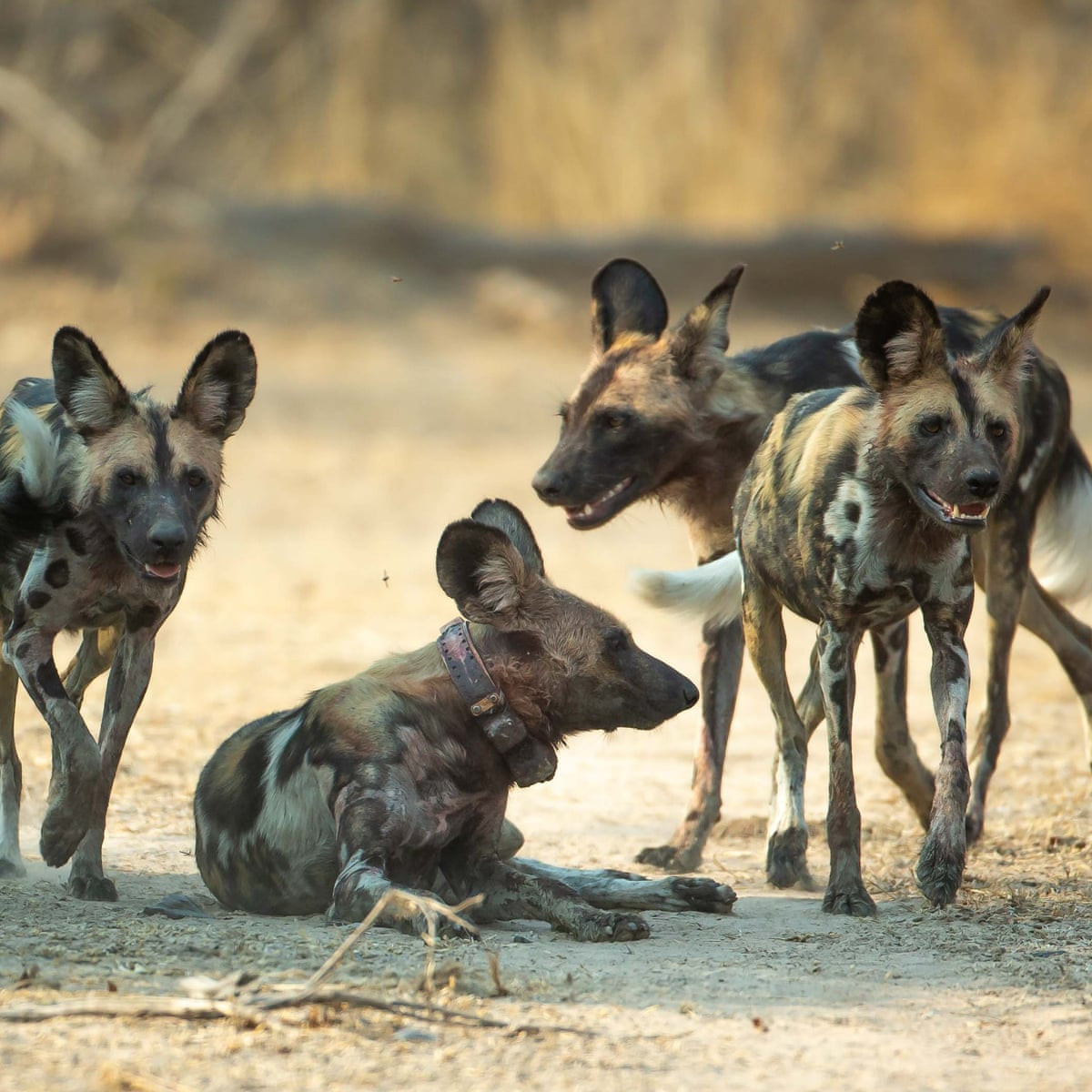
Two months into the brothers’ journey, the siblings crossed paths deep in Zambia’s copper-belt mining region. The brothers and sisters spent the day together before separating again. It was a striking meeting, not least because related wild dogs do not form new family packs together. To breed, they usually have to keep moving across the landscape until they find unrelated partners.
The sisters did not fare as well. Researchers said two of them later died, probably after being caught in snares. That made the day the siblings shared all the more poignant, a brief family reunion in the middle of a dispersal that was pushing each group toward very different outcomes.
Why dog lovers and conservationists are watching
Only about 6,600 adult African wild dogs remain, spread across 39 distinct populations, and the species is listed as endangered on the International Union for Conservation of Nature’s red list. Habitat loss, shrinking numbers of natural prey, conflict with people and snares set by bushmeat hunters are all counted among the major pressures on the species.
The new findings, published in the journal Ecology by scientists with the Zambian Carnivore Programme, offer a rare piece of encouragement. The brothers’ journey suggests that wild dogs can still move through a landscape heavily shaped by people and still reach a new home, even with so many dangers along the way.
Researchers working in southern Africa said long running studies like this provide important evidence that links between large ecosystems have not disappeared. They argued that if governments and conservation groups continue improving those connections across national parks, community areas, countries and the wider region, species such as wild dogs can do the rest themselves.
In the end, that is what makes the three brothers’ story land so powerfully. They did not just cover a record distance. They found a haven on the African savannah, turning a compulsory departure from their birth pack into proof that a path across the continent still exists.
What African wild dogs are
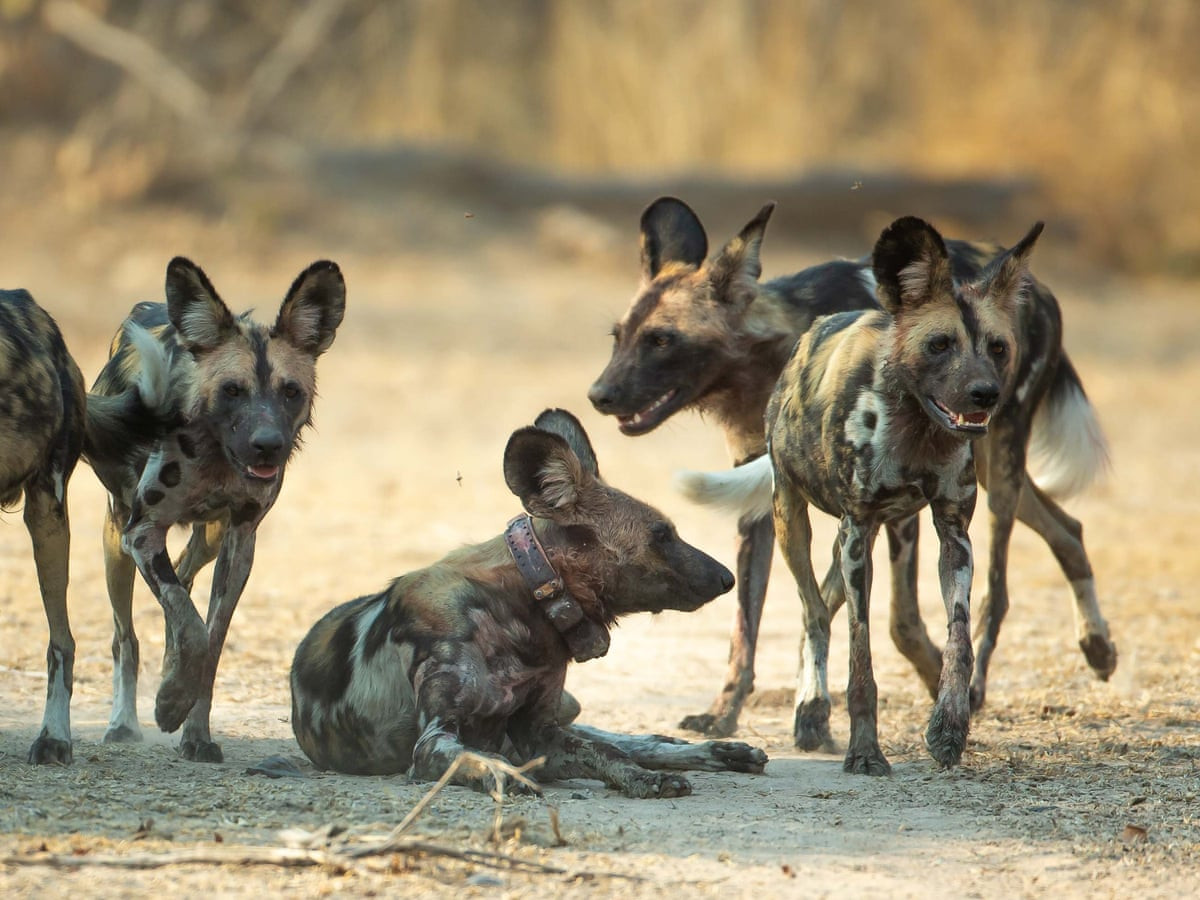
African wild dogs are not feral pets. They are a distinct wild canid, known for big rounded ears, patchwork coats and very social pack life. Packs cooperate closely: they hunt together, care for pups together and often regurgitate food for injured or nursing packmates. That teamwork is one reason they can survive in tough landscapes, but it also means the loss of even a few animals can disrupt the whole group.
Why they make huge journeys
Very long movements are usually linked to dispersal. Young adults often leave their birth pack, usually in same sex groups, to find unrelated partners and start a new pack. To do that, they may travel across open country, livestock areas and roads, especially where habitat is broken into smaller pieces. Wild dogs also range widely because they follow prey, avoid rival predators and need large, connected areas with relatively low human pressure.
What people can do
If you live near wild dog habitat or visit it, give them space and never feed them. Drive cautiously, especially at dawn and dusk, when wildlife is active. Keep domestic dogs vaccinated and managed, because disease spillover can be devastating for wild canids. Report sightings, snares or injured animals to local wildlife authorities or trusted conservation teams. For travelers, choosing guides and lodges that follow wildlife viewing rules can directly support safer conditions for roaming packs.
Share this article:





