
Missing Sunderland Cat Ginge Reunited After Microchip Scan Found Him 86 Miles From Home

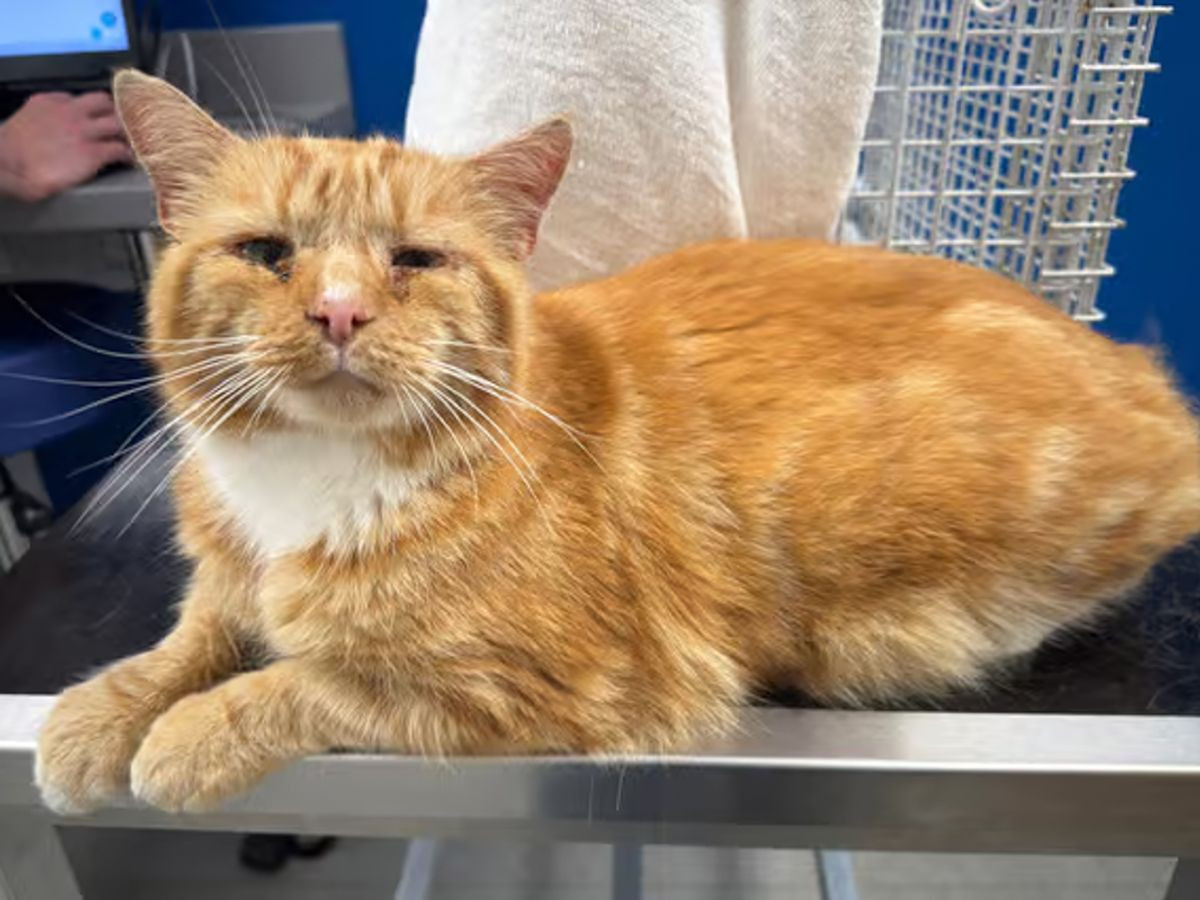
In Garforth, Leeds, a friendly ginger tom curled up beside the volunteer who had just changed his story. By that point, Ginge had already gone from one more cat at a feral colony to a missing pet from Sunderland, traced 86 miles back to his family in Tyne and Wear almost a year after he vanished.
A cat at a feral colony who did not quite fit
Ginge was found in Garforth by Lucy Roche, a volunteer with Cat Action Trust 1977 and leader of the branch there. He had turned up among a feral cat colony, the kind of place where volunteers regularly step in with the basics cats need to get by: food, water and warm shelter, along with veterinary care and neutering when needed.
But Ginge stood out. Lucy said that when she was stroking him, his easy manner made her think he might belong to somebody. He was described as a sociable ginger tom, and that friendliness was what made Lucy suspect he was not simply another stray.
People had been putting out food and water for him at the colony since he first appeared there several weeks earlier. At some point, Lucy was able to catch him using a humane trap. That careful step moved his story from suspicion to certainty. Once Ginge was safely contained, she took him to a vet for a routine microchip scan.
That scan revealed that the cat in front of them was not an unknown wanderer at all. He was Ginge, a missing family pet from Sunderland. He had been away for almost a year and had been found 86 miles from home.
One phone call, and a missing pet became somebody's cat again
The microchip connected Ginge to a family in Tyne and Wear, turning an ordinary veterinary check into the moment everything changed. Lucy said Ginge's owner was overcome when she got the call telling her he had been found.
According to Lucy, Beth was in floods of tears and could hardly believe that her missing cat was coming home. It is the kind of reaction familiar to anyone who has ever lived with uncertainty around a lost pet. A cat disappears, time passes, and then one unexpected call brings the animal back into the world of names, home addresses and familiar people.
Ginge's case also underlined a point rescue workers repeat constantly. The microchip was the reason the charity could identify him and reunite him with his family. Without it, he might have remained simply the friendly newcomer at a colony in Leeds.
Microchipping pet cats became a legal requirement in England in 2024. In Ginge's case, that small implanted record carried the only information needed to bridge the distance between Garforth and home.
A night to rest, then the reunion
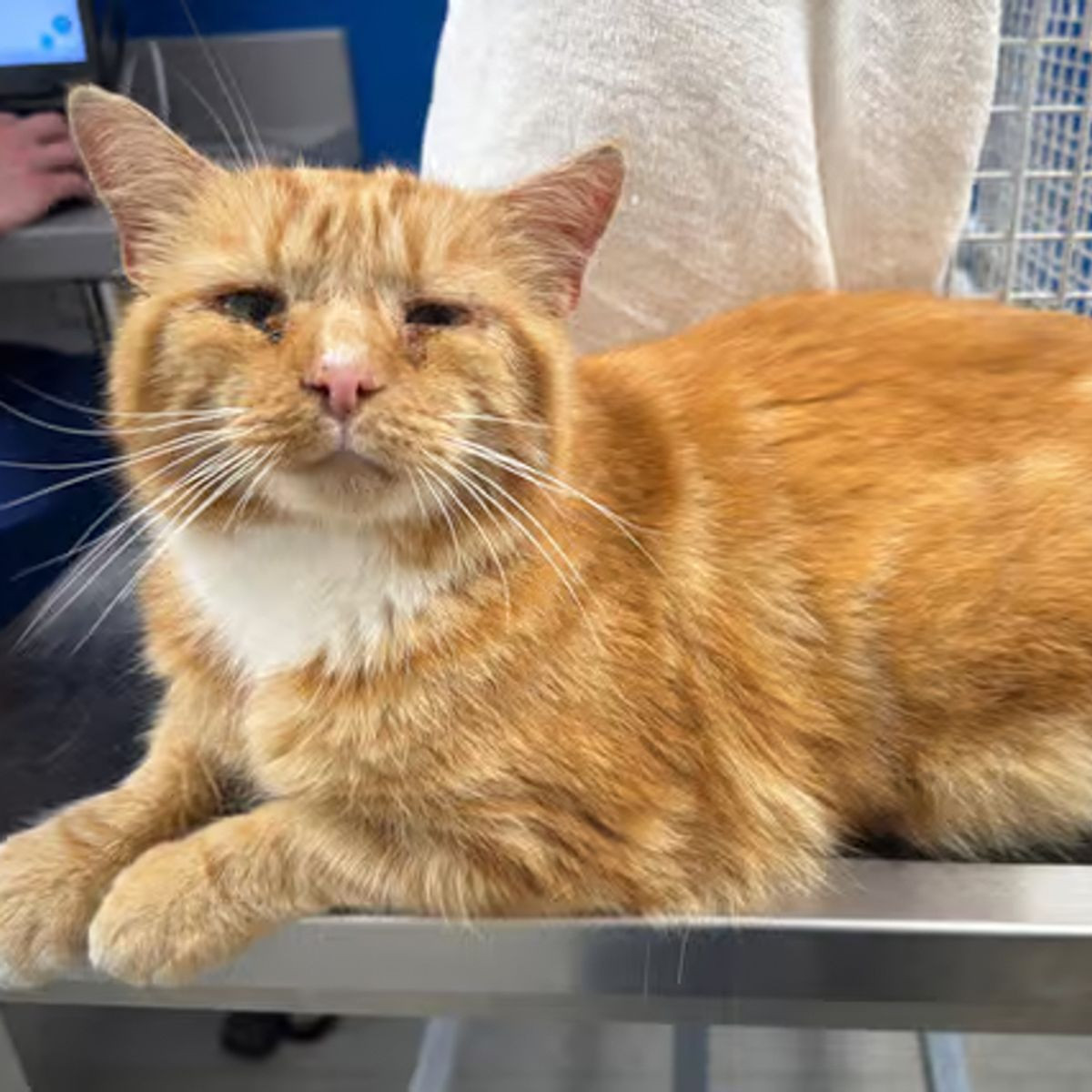
Before his family arrived, Ginge spent the night at Lucy's home. After whatever time he had spent outdoors and after the strain of being trapped, transported and scanned, he finally settled.
Lucy said he snuggled up next to her and fell deeply asleep. She thought he looked so tired that he might not have had a good night's sleep in a long time. It is one of the most striking details in Ginge's story: not only the distance he had traveled from Sunderland to Leeds, but the image of a cat who could finally stop moving long enough to sleep soundly.
His family made the journey to collect him, and the following day Beth was reunited with him. A video shared on social media captured that meeting. The clip spread widely, drawing messages from far beyond the north of England.
Lucy said people from places including America and New Zealand had been in touch to say what a wonderful story it was. She described the response as overwhelming. For pet lovers, it is easy to see why the reunion resonated. Ginge was not found in a front garden or handed in just around the corner. He was discovered far from home, among a feral colony, and still made it back because one volunteer noticed that something about him did not fit.
The wider picture behind Ginge's happy ending
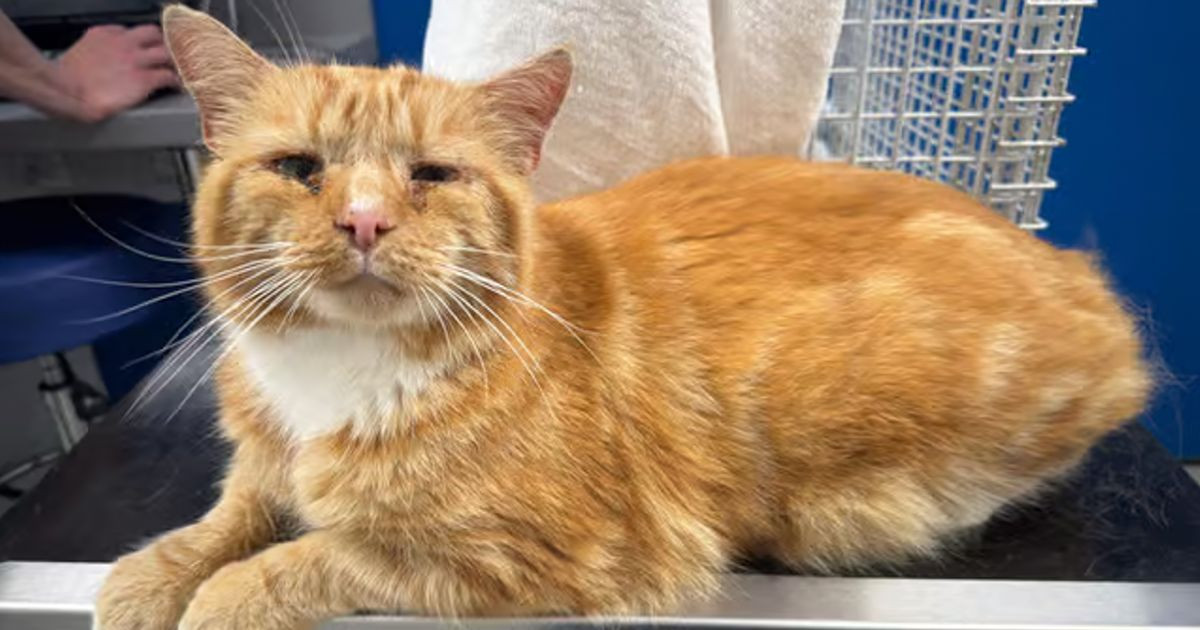
As heartening as Ginge's return was, the work around him was not unusual for the volunteers who found him. Cat Action Trust 1977 volunteers regularly visit feral colonies across Leeds. Their work includes topping up food and water, providing warm shelters, arranging treatment when cats need veterinary attention and making sure neutering is carried out where necessary.
When a cat's current surroundings are judged to be unsafe, the charity can also arrange rehoming. That may mean a new owner, or a move to a rural setting such as a farm. The work is practical, repetitive and often urgent, the kind of rescue effort that happens out of sight unless a story like Ginge's brings it into public view.
Lucy said the Leeds branch runs entirely on volunteers and is dealing with nonstop calls for help every day. She said many cats are being abandoned, lost or injured. Her summary of the mission was simple: they want to make life better for all cats.
Ginge's story ended with his owner getting him back, but it also offered a clear look at the chain of people and systems that made that possible. A colony was being monitored. Volunteers were already there with food and water. Someone paid attention to one unusually friendly tom. A humane trap was used. A vet scanned a microchip. A family answered the phone. For one missing cat from Sunderland, all of that added up to the moment he was no longer just surviving in Leeds, but going home.
Share this article:





