
Flor the Chihuahua Returns Home to Evanston 12 Years After She Disappeared

Vanessa Antonino arrived at the Evanston Animal Shelter on Wednesday night for a reunion that had been out of reach for 12 years. The dog she was there to see was Flor, her chihuahua, who had disappeared long ago.
When Antonino finally got Flor back in her arms, the moment closed a chapter that had stayed alive in her family even during the dog's long absence.
Antonino said her four sons had grown up hearing stories about Flor. That made the reunion bigger than a simple pickup at a shelter. For her family, the little dog had remained part of the household story all along.
A microchip led Flor home
The break in the case came at an animal shelter in Gary, Indiana, where workers discovered Flor's microchip. That scan connected the chihuahua to Antonino, identified as her original owner.
From there, a volunteer brought Flor to Evanston from Gary so the reunion could happen in person. By Wednesday night, Antonino was able to see and hold her chihuahua again at the Evanston Animal Shelter.
What had begun with a lost dog ended with a return home in the Chicago area, and with a family meeting a dog many of them had known only through the stories their mother told.
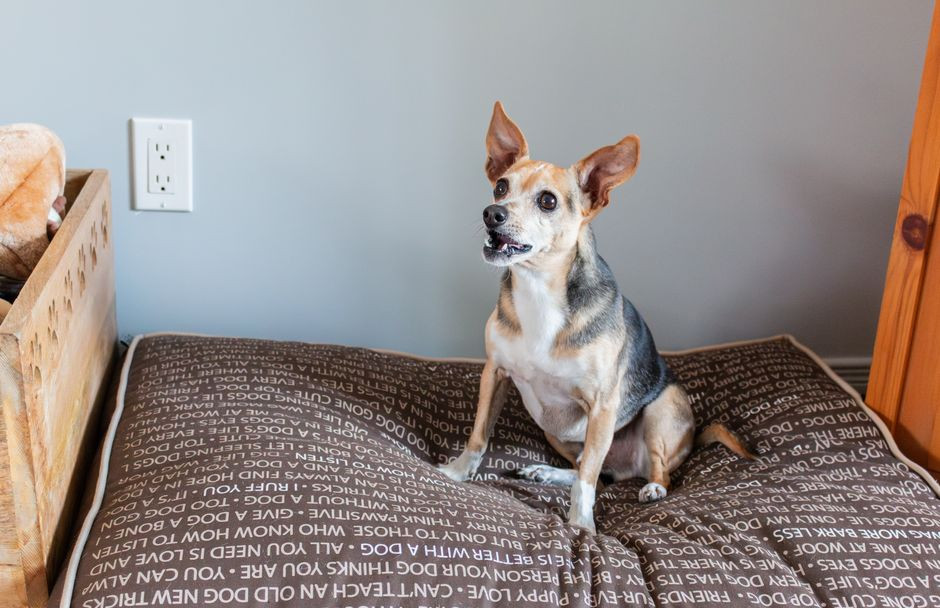
How long-lost dogs are identified
Most reunions after a long disappearance happen because a dog is carrying some form of identification. The fastest help usually comes from a collar tag with a working phone number, but those can fall off or be removed. A microchip is different. It is a tiny ID chip placed under the skin, and a shelter or veterinary clinic can scan it to pull up the registration record.
A microchip only works if the contact details are current. If you move, change phone numbers, or give the dog to a relative, update the registration right away. It also helps to ask your veterinarian to scan the chip during routine visits to make sure it can be read and matches the account you expect.
Photos matter too. Keep clear pictures that show the face, body shape, coat color, and any unusual markings. For small dogs especially, note whether they have a distinctive gait, underbite, cloudy eye, or old scar. Those details can help confirm identity when a dog has aged or changed physically.
Why dogs can be missing for so long
A dog can disappear for a long time for many ordinary reasons. Some are found quickly by strangers who cannot identify them. Some are passed from one home to another. Some live loose for a period and become hard to catch. Small dogs may also be mistaken for strays even when they once had a home.
Time changes how a dog looks and behaves. Coat color can fade, weight can change, and older dogs may be less energetic or less social. That can make recognition harder. Memory can also be imperfect on the human side, which is why records are so useful. Veterinary records, old photos, chip information, and notes about habits can all help connect a dog to the right home.
What to do if your dog goes missing, or if you find one
If your dog is lost, act quickly and keep the search organized. Contact nearby shelters, veterinary clinics, and local found-pet groups. Recheck regularly instead of assuming one report is enough. Use simple flyers with a recent photo and direct contact information. Search at different times of day, and ask neighbors to check garages, sheds, porches, and cameras.
If you find a dog, do not rely on a collar alone. Take the dog to a shelter or veterinary clinic for a chip scan. Share found-dog notices with clear photos, but avoid posting every identifying detail publicly. Ask anyone claiming the dog to describe specific features first. For any pet owner, the best prevention is layered ID: microchip, collar tag, recent photos, and an up-to-date contact trail.
Share this article:





