
Luna the Lost Jack Russell Keeps Turning Up Across Yellowstone as Volunteers Race the Cold

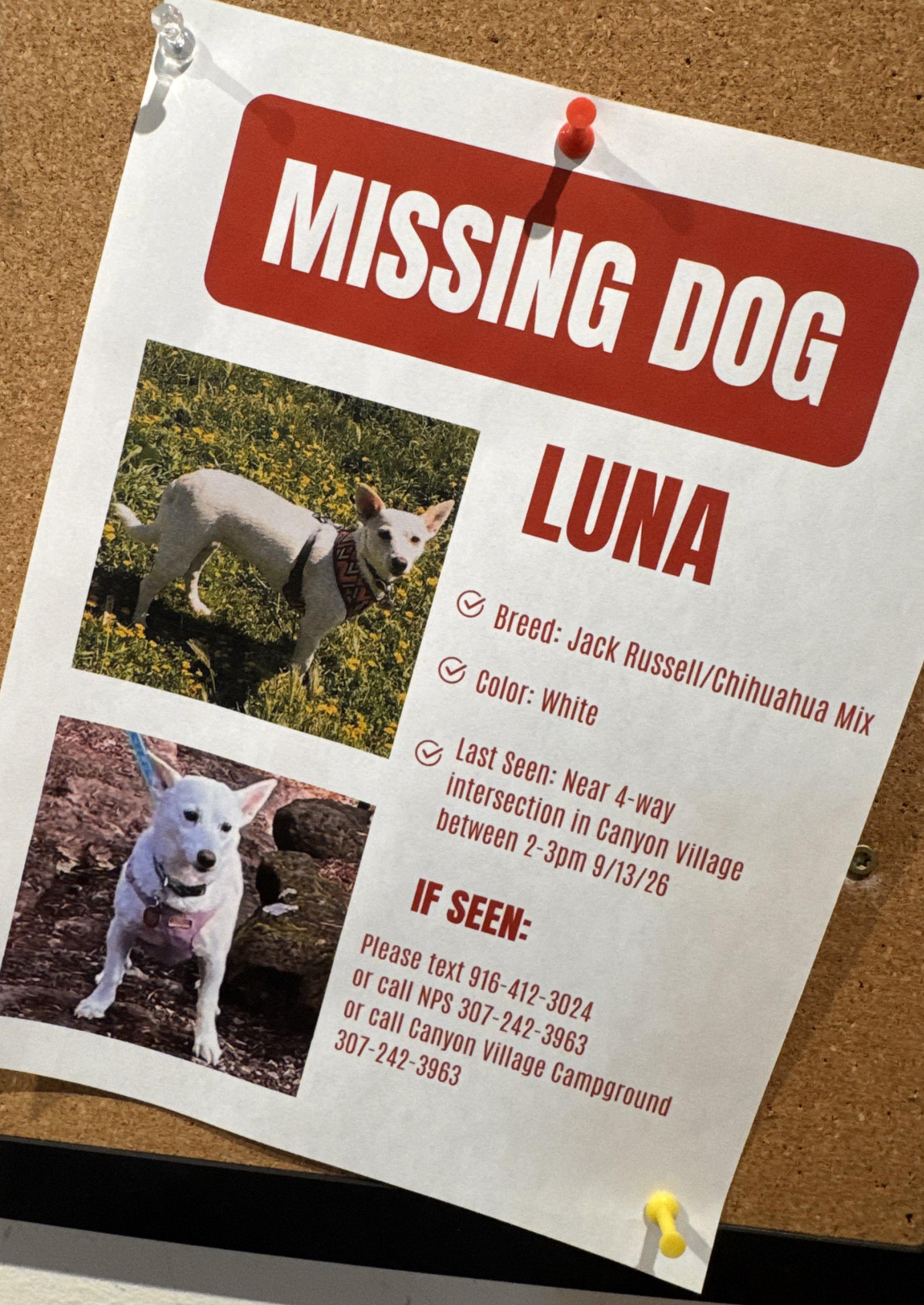
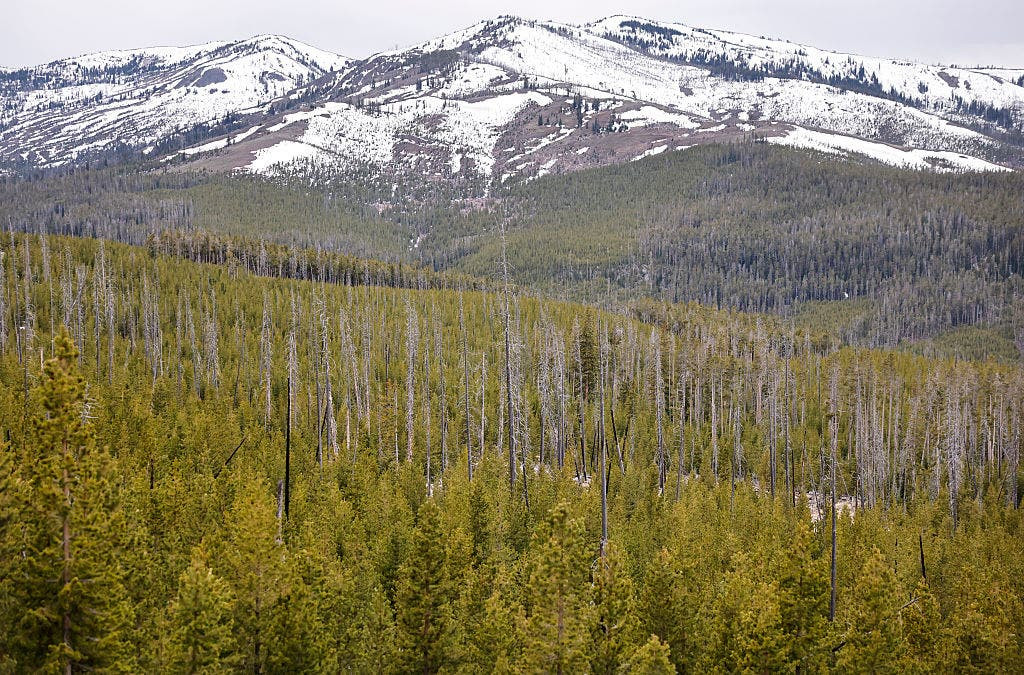
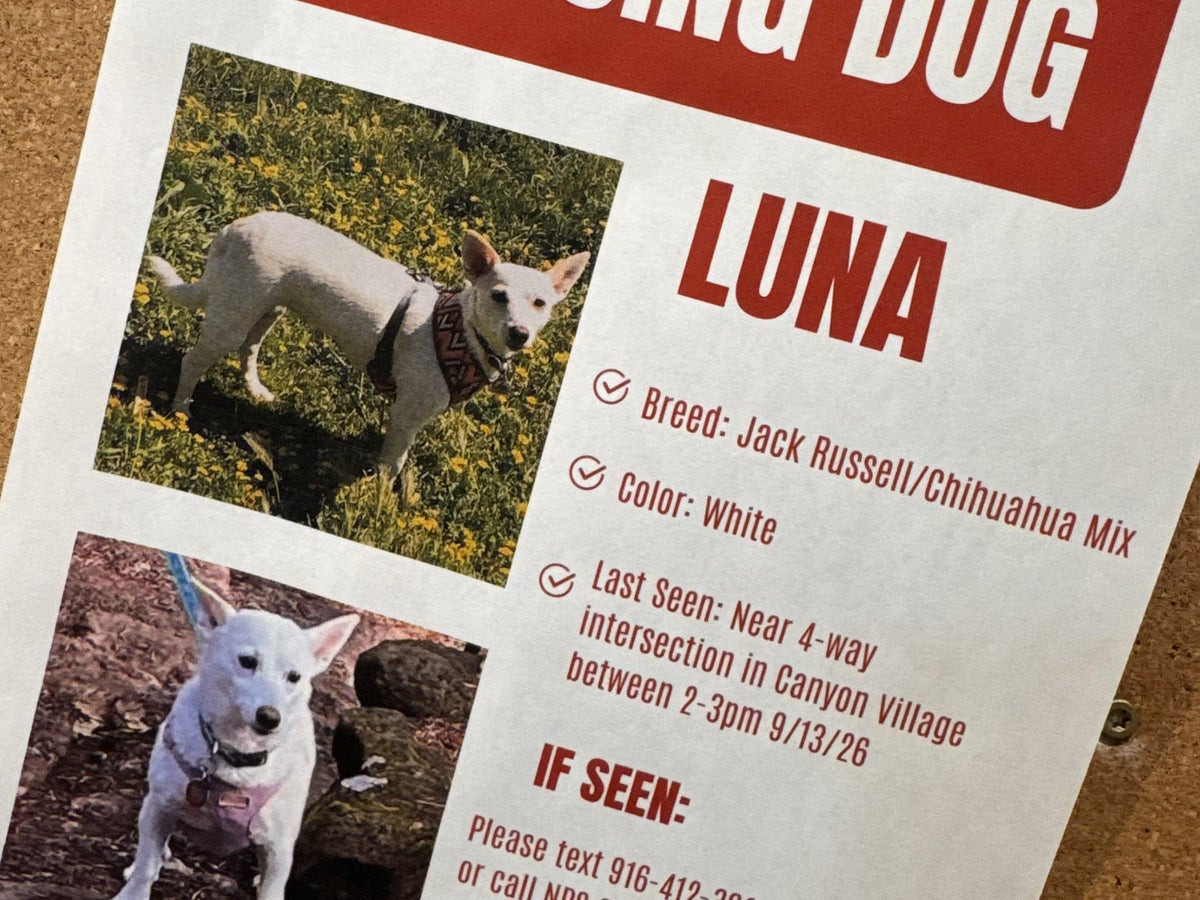
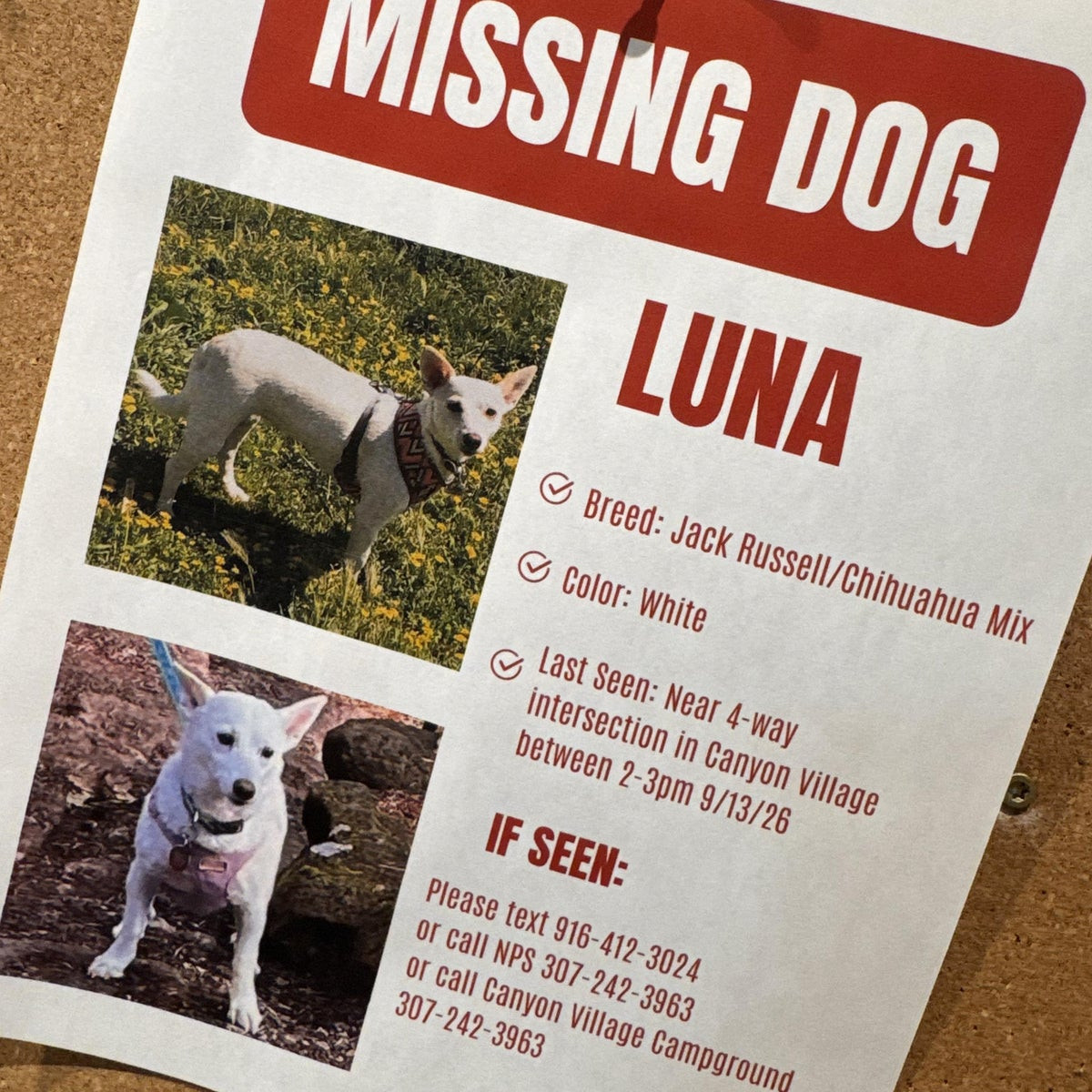
Luna keeps appearing where people least expect her: at park intersections, near employee housing and even inside Yellowstone lodges when automatic doors slide open. The 10-year-old Jack Russell terrier has been missing for a month, and as colder weather approaches, the effort to bring her back is becoming more urgent.
A tiny dog in a vast park
Luna came to Yellowstone from California. Since vanishing, she has been spotted again and again, but never for long. People have seen her move across road crossings, pass through employee quarters and wander into buildings before slipping away.
Katie Boucher, the volunteer leading the recovery effort, believes Luna has managed this long because she is unusually capable of fending for herself. The dog’s owners, who have asked not to be identified, told Boucher that Luna spent the first year of her life surviving on the streets before she was adopted.
That history matters now. Yellowstone’s temperatures have not yet dropped low enough to freeze the dog, but Boucher says that could change quickly. She is even hoping for a light dusting of snow for one specific reason: it might convince Luna that staying out in the park is no longer worth it.
The cabin door that changed everything
Luna disappeared after her owners left her in a cabin with a do-not-disturb sign on the door while they went out to explore the park. Housekeeping staff accidentally opened the cabin, and Luna ran out.
Boucher said staff members tried to catch her and spent more than two hours chasing her around that area before the owners returned and found their dog gone. The family searched, but the early outlook was bleak. They were told Luna had probably died or been taken by a coyote.
Only after they had left Yellowstone did they learn that Luna had been seen alive. That is when they contacted Boucher, who runs the Norris Ark Training and Recovery Center in Norris, Montana, just north of the park.
A search built around one pattern
Boucher has been following the sightings closely, and she believes Luna is not moving at random. The places where she turns up suggest that she is tracing the route her owners took the day before she went missing. According to Boucher, Luna has entered eateries and lodges that her family had already visited.
That reading has shaped the rescue effort. Boucher says Luna’s behavior suggests she is trying to find her people, not simply hiding. But the same instinct may also be what keeps pushing her farther away whenever someone tries to help in the wrong way.
When residents or tourists call Luna’s name or run after her, Boucher says it sets off a fight-or-flight response. Instead of coming closer, the terrier bolts deeper into the park. For that reason, one of the most important messages from volunteers has been simple: do not chase.
Searchers have also used a humane trap prepared with her family’s scent. They have avoided baiting it with food because that could draw bears or other wild animals instead.
Everyone is watching, and winter is closing in
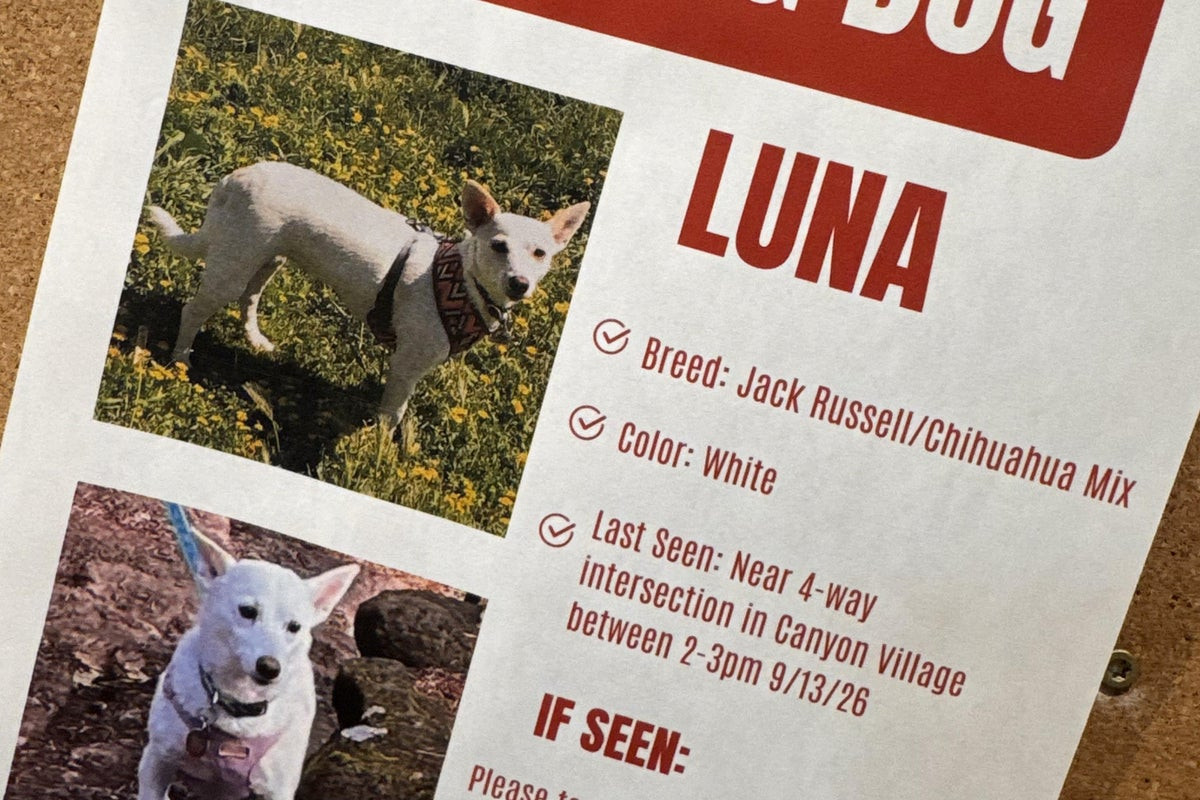
Luna’s disappearance has drawn in people across Yellowstone. Marie Jaskula, who operates one of the park’s general stores, has posted notices at every park entrance so visitors can keep an eye out for the small dog.
The growing network of lookouts has helped keep Luna’s story alive, but the calendar is adding pressure. Upcoming weather could make searching harder and could also force Boucher out of the park. She is staying in a seasonal staff RV park that is scheduled to close next Monday, and she will need to find somewhere else to stay after that.
Even with those limits, Boucher believes the reunion may be close. The sightings, the repeated returns to familiar places and Luna’s refusal to disappear entirely all point, in her view, to a dog still searching for the family she lost in one of the biggest landscapes imaginable.
Why lost dogs can seem to be everywhere
A loose dog often does not stay near the spot where it first disappeared. Many keep moving because they are scared, stimulated by wildlife or scents, or trying to find a familiar route back. Small, energetic breeds can cover surprising ground, especially if they are fit, curious, and used to chasing movement.
People searching can accidentally push a nervous dog farther away. Calling loudly, running toward it, or sending many searchers into the same area may make the dog bolt. A frightened dog may avoid even familiar people for a while. That is why sightings can pop up in different places and seem inconsistent.
Cold adds urgency. A dog can become tired, dehydrated, or injured faster in wind, snow, or freezing temperatures. Even hardy dogs may hide in brush, under structures, or in sheltered dips in the ground to conserve heat.
How a dog search usually works
The most effective searches are usually organized, quiet, and based on fresh information. Searchers often start by mapping confirmed sightings, noting the time, direction of travel, and whether the dog was running, resting, or seeking food. This helps narrow likely travel corridors such as trails, roadsides, creek edges, and sheltered cover.
Food stations and humane traps are often used to slow a dog down and create a predictable routine. Familiar bedding, an unwashed piece of clothing, or the dog’s crate can help. Cameras can confirm whether the dog is visiting when no people are nearby.
A simple sighting plan matters. Ask observers to take a photo if they safely can, note the exact place, and avoid chasing. Then share the information quickly with one central contact so search efforts stay coordinated.
What to do if your dog goes missing in cold country
Act fast, but keep the response calm. Search the nearby area first, especially quiet hiding spots, culverts, sheds, porches, and thick brush. Alert local shelters, veterinary clinics, animal control, and community groups. Post clear photos and a short description that includes temperament and whether the dog is likely to run from strangers.
Leave out scent items and check them regularly. If there are credible sightings, focus there instead of widening the search too quickly. Ask people not to pursue the dog. If someone sees it, the best approach is often to sit or crouch sideways, avoid eye contact, toss food gently, and let the dog choose to come closer.
Prevention helps most. Keep microchip details current, use a secure collar or harness with an ID tag, and carry a long line in unfamiliar outdoor areas.
Share this article:





