
J Matthew the Great Dane Shielded His Mom and Changed What One Shelter Could Do for Pets

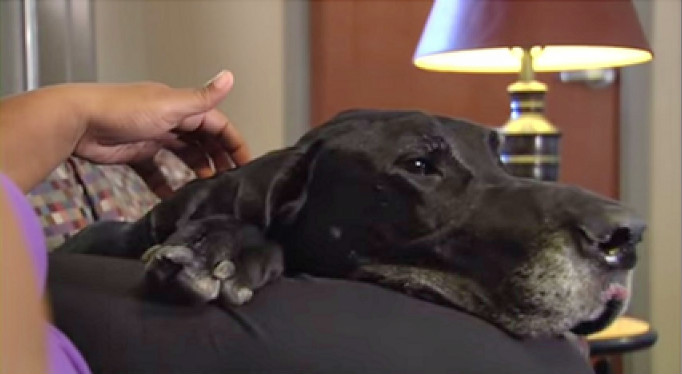
J Matthew was a 110 pound Great Dane who stepped in when his mom needed him most. By putting his body over her during an attack, he gave her a chance to get away, and his story went on to help other pets too.
When his mom was being attacked with a hammer, J Matthew did not run. The Great Dane lay on top of her and shielded her with his own body, taking most of the blows himself. In the clip below, his story is told as both a rescue and a turning point.
That protection came at a brutal cost. J Matthew suffered multiple broken bones, including a broken hip and fractures to two ribs. The report describes him as being forcibly dragged into the streets, but the moment created the opening his mom needed. She was able to get away.
A place that made room for both of them
The young woman went to the nearest police station, where arrangements were made for her to seek shelter at Rose Brooks Center. Because of how critical her situation was, the center also opened its doors to its first domestically abused animal.
That detail matters to anyone who loves dogs. For many people facing abuse, leaving can be even harder when a beloved pet is part of the household. J Matthew was not only a dog who protected his person. He became part of a response that recognized that pets need safety too.
The legacy of one very loyal dog
According to the account, J Matthew's intervention did more than save his mom in a terrifying moment. Rose Brooks Center went on to protect 36 more family pets, and in 2012 it opened its first domestic violence pet shelter.
J Matthew's story is heartbreaking, but it also leaves dog lovers with something lasting to hold onto. A Great Dane's instinct to stay with his person, even while being hurt, helped create space for other animals to be sheltered alongside the people who love them.
Why some shelters help pets stay connected to their families
Animal shelters do more than handle stray animals and adoptions. Many also try to keep pets out of the shelter system when a family is facing a crisis. That can mean short term boarding, foster placement, help with food or supplies, behavior support, or referrals to pet friendly housing and veterinary care.
The goal is often prevention. If a problem is temporary, keeping a pet safely cared for until the owner can return is usually less stressful than a permanent surrender. These programs vary a lot by community. Some are run directly by shelters, while others depend on volunteer fosters or partner groups.
If you think you might need help, contact local shelters early and ask specifically about crisis boarding, surrender prevention, foster support, and owner assistance programs. Even if one group cannot take your pet, staff often know who can.
How temporary pet safekeeping usually works
When a shelter or rescue agrees to hold a pet temporarily, staff usually need basic records first. Expect questions about vaccinations, medications, bite history, allergies, daily routine, and whether the dog is comfortable with other animals, children, crates, or car rides. Clear information helps them place the dog safely and reduces stress.
A practical step is to keep a pet emergency kit ready. Include food, medications, a leash, collar, crate if used, recent photos, veterinary records, microchip details, and written care instructions. Add contact information for someone who can make decisions if you cannot be reached.
It also helps to train for handling before an emergency happens. Dogs that can tolerate a crate, accept a muzzle if needed, ride calmly in a car, and respond to simple cues like sit, wait, come, and leave it are easier to place and safer for caregivers.
What to know about big dogs and protective behavior
Large breeds can look especially dramatic when they step between a person and something unfamiliar. Sometimes that is true protection. Sometimes it is uncertainty, social attachment, or a response to body language and tension. A dog that leans, blocks, barks, or stands watch is communicating, but it is not a substitute for human safety planning.
For giant breeds, preparation matters. Use sturdy equipment that fits well, practice calm greetings, and teach the dog to move away on cue. Keep nails trimmed, joints supported with appropriate exercise, and a current ID tag on the collar. If your dog shows guarding or escalating reactivity, ask a qualified trainer or veterinarian for help early. Management and training are usually more effective than waiting for a problem to grow.
Share this article:





