
Peggy Sue the 70 Pound Bulldog Slims Down and Finds a New Home

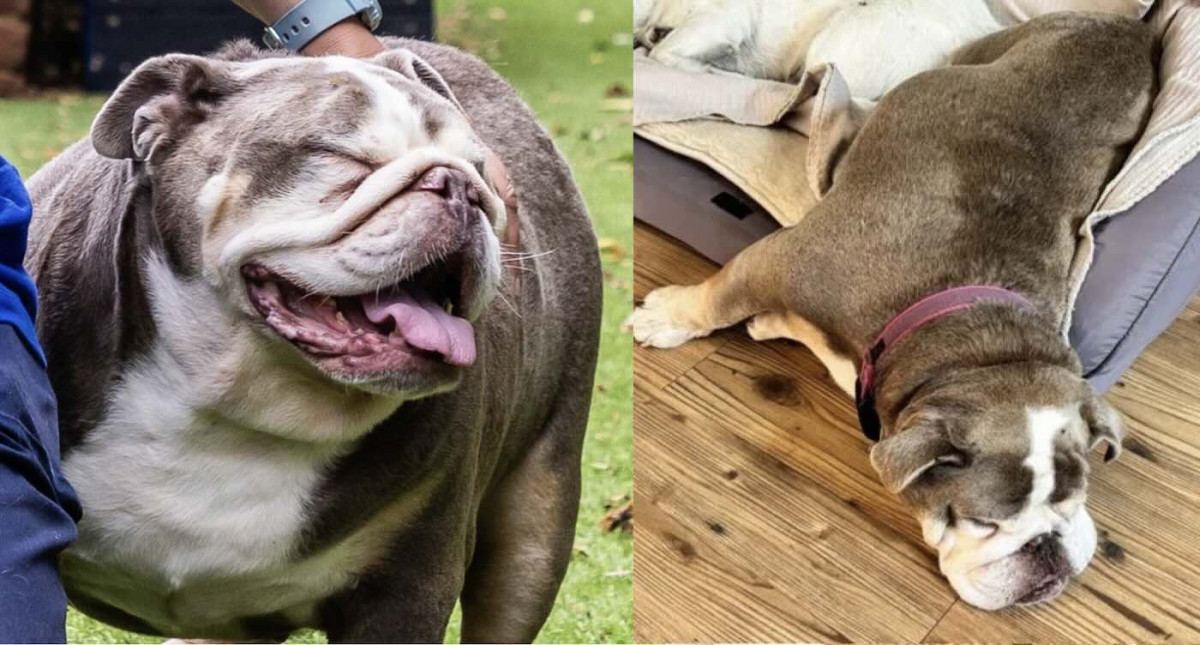
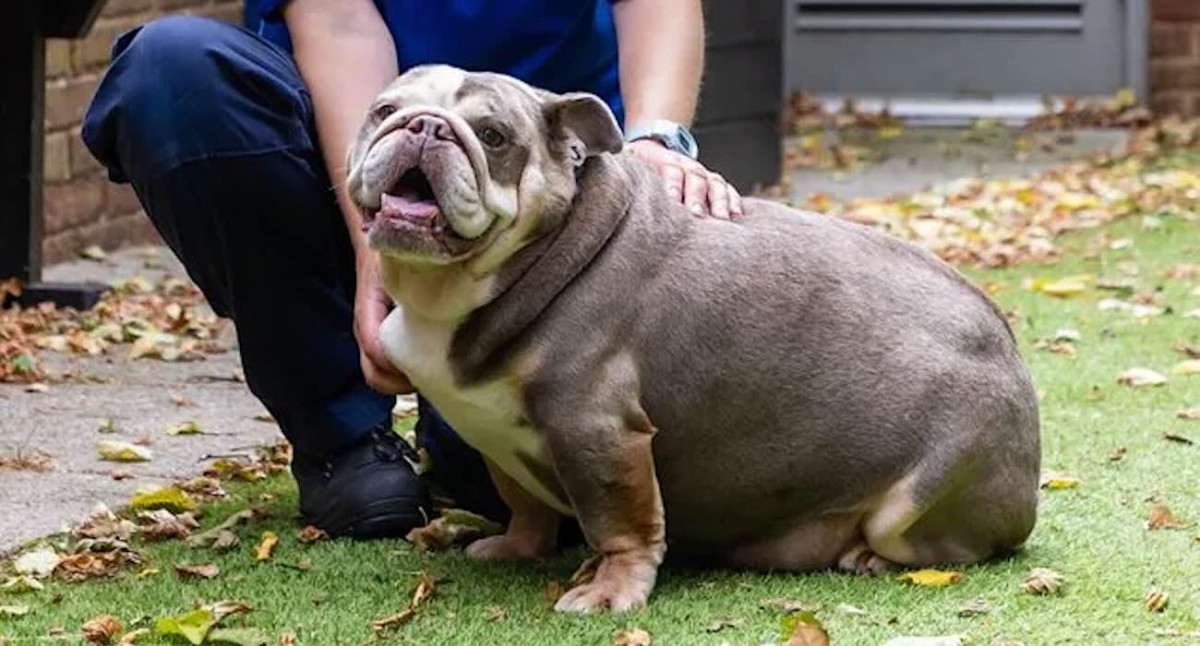
Peggy Sue had reached 70 pounds, about 32.5kg, by the time the bulldog was brought to the RSPCA's West Hatch Animal Centre in Somerset, England. She was struggling with walking, infections and overheating, and staff had to carry her in a crate from the van to her kennel.
Every step was a struggle
Her size had turned even basic movement into a challenge. Peggy Sue could not manage a few steps without collapsing, and staff at the center had to physically move her around after she arrived in July.
Anita Clark, the RSPCA's deputy center manager, said it was difficult to watch the dog struggle with everyday movement and clear that she needed careful help. That help started slowly. A dedicated foster caretaker gradually increased Peggy Sue's exercise, and the change came bit by bit.
The progress was not instant, but it was steady. With gentle activity, ongoing care and a strict diet plan, Peggy Sue began to improve. She now continues to enjoy exercise, a striking turnaround for a dog that had once been unable to manage even short distances.
A fresh start in Taunton
The biggest reward came when Peggy Sue was rehomed during the charity's Adoptober drive. Her new owners, Emmie and Andy from Taunton, welcomed her into a household that already included a Jack Russell mix that had recently lost its 16 year old brother, Mr Woo.
By the time Peggy Sue reached her new home, the RSPCA and her foster home had already helped her lose five kilograms, or 11 pounds. Her weight is now a healthier 23.5kg, about 20 pounds less than when she first arrived.
Emmie said Peggy Sue only showed short bursts of energy at first, but gradually built up her strength. Now, she said, the bulldog loves walks and car trips. She has also shown a fondness for water, enjoying rock pools and streams.
For Emmie, Peggy Sue is one more reason to keep choosing rescue dogs. She said Peggy Sue is their sixth rescue and that each one has turned out to be an amazing dog. Peggy Sue's story began with staff carrying her because she could barely move. It ends with a slimmer bulldog, a new canine friend and a home of her own.
Why extra weight is a big deal for dogs
Excess weight in dogs is more than a cosmetic issue. It can strain joints, worsen arthritis, reduce stamina, and make heat and exercise harder to handle. In breeds with short noses, such as bulldogs, extra body fat can also add to breathing trouble and make sleep, walking, and play less comfortable.
A simple way to judge body condition at home is to look for a visible waist from above and a tucked up belly from the side. You should be able to feel the ribs under a light layer of padding, without pressing hard. If a dog seems barrel shaped, tires quickly, pants heavily indoors, or struggles to rise after resting, weight may be part of the problem. A veterinarian can confirm whether the dog is overweight and rule out medical causes that can affect appetite, mobility, or body size.
How healthy canine weight loss usually works
Safe weight loss is usually slow and routine based. The basics are measured meals, fewer extras, and regular low impact activity. Measuring food matters because scoops and guesses often creep upward over time. Treats count too, so many owners swap part of the daily kibble ration into training rewards or use small pieces of dog safe vegetables if approved by their vet.
Exercise should fit the dog, not the owner. Short, frequent walks are often better than one long outing, especially for heavy dogs or flat faced breeds. Swimming or gentle play can help some dogs, but any plan should avoid overheating. Puzzle feeders and slow feeders can make meals last longer and reduce begging.
Progress is easiest to spot when the whole household follows the same rules. Keep a feeding log, use the same measuring cup every time, and track changes with photos, body shape, and how easily the dog moves.
What to know when adopting a dog with weight or mobility issues
A dog coming into a new home often does best with structure. Feed on a schedule, limit table scraps, and decide in advance who gives treats. Ask for the current food, usual portion, medication list, and any exercise restrictions. Sudden diet changes can upset digestion, so transitions are usually gradual unless a veterinarian advises otherwise.
Home setup can make a difference. Non slip rugs, a supportive bed, raised bowls if recommended, and a well fitted harness can help a heavier dog move more comfortably. Watch for signs that activity is too much, such as lagging behind, noisy breathing, or needing a long recovery after a short walk.
Formerly overweight dogs can become energetic, playful companions once their routine is stable. The keys are patience, consistency, and check ins with a veterinarian when progress stalls or new symptoms appear.
Share this article:





