
Stray Cat Escapes After Macaque Throws It Into Garden Pond in Japan

It started with a splash in a quiet garden, and the creature in the water was not a koi. In a startling encounter in western Japan, a man said a wild macaque grabbed a stray cat that often visits his yard and flung it into his pond, setting off a strange chain of events that left the cat soaked, the homeowner scratched, and local officials urging caution.
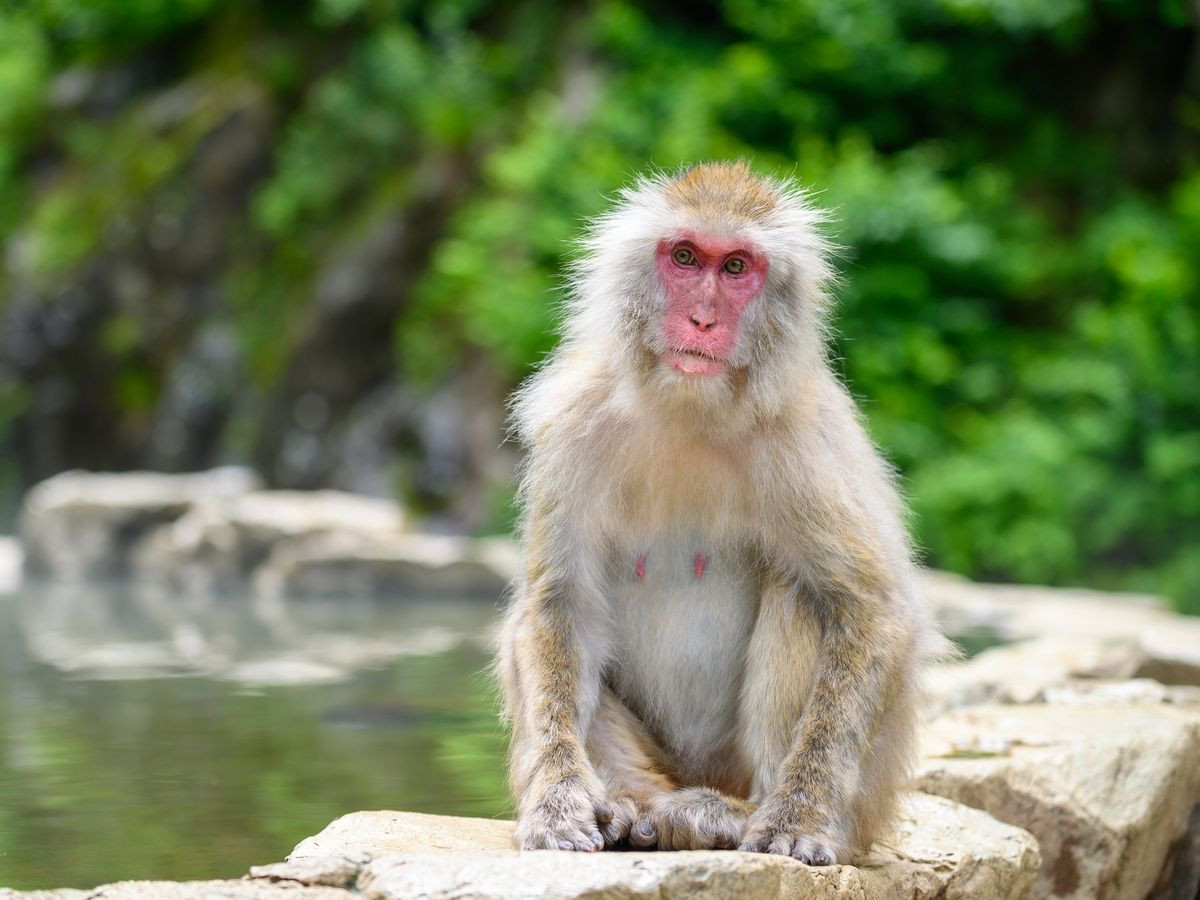
The incident was reported in Shunan City in Yamaguchi Prefecture, where a 49-year-old homeowner said an adult Japanese macaque wandered onto his property at about 3.40pm on Tuesday. The man is not a cat owner, but a stray cat regularly hangs around his garden, which includes a pond.
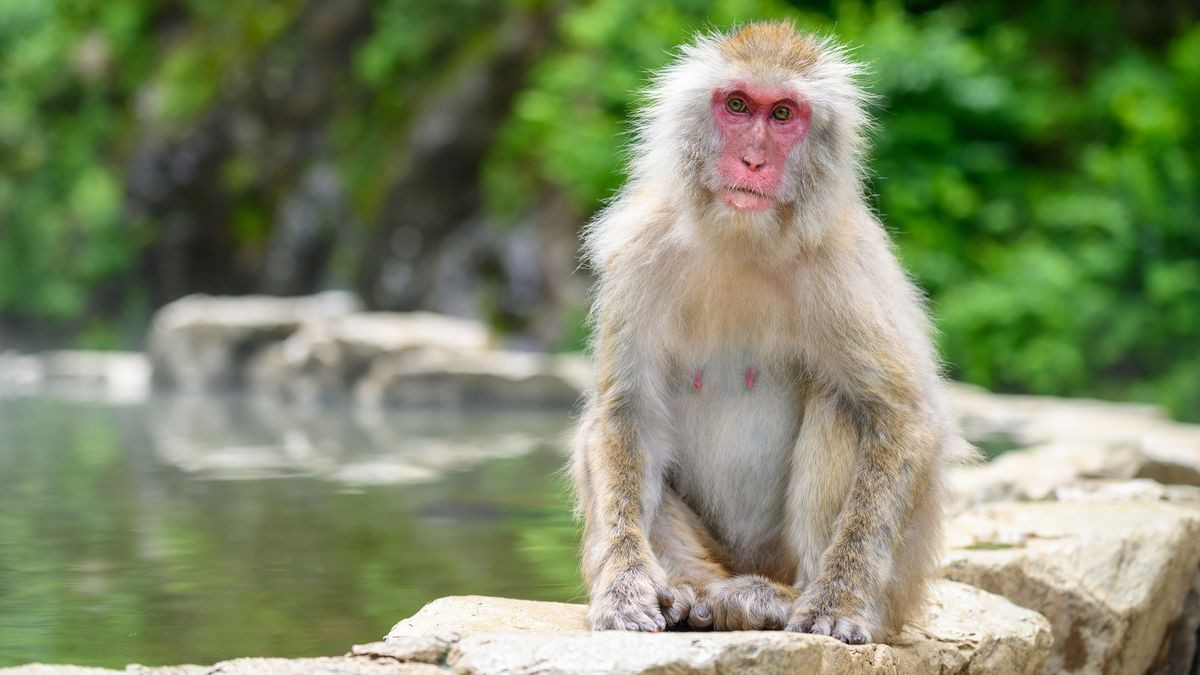
He said he heard a loud splash and went to look. What he says he found was unusual even by the standards of wildlife run-ins: a monkey, estimated to be about 50 centimeters tall, had allegedly grabbed the cat and hurled it into the pond.
For cat people, the best part of the story comes next. The cat got out. According to the account, it managed to scramble free of the water and survived without serious injury. That left one drenched but living garden visitor, and a macaque that was not finished causing trouble.
Then the monkey turned on the homeowner
As the man moved in to check on the cat, he said the macaque climbed onto the roof and stared down at him. It then came back to ground level.
The situation shifted again when the homeowner briefly turned his back. He said the monkey jumped onto him and clawed at him, despite the fact that he was wearing heavy work clothes. After that, the animal ran off into nearby woodland.
The man was left with long scratches across his skin. His injuries were described as minor, but he still sought medical attention.
The account has drawn attention not only because a cat ended up in the middle of it, but because officials say this was not an isolated case. Another incident was reported in a different part of Shunan City on September 8, when a monkey allegedly grabbed a local woman and tore at her clothing.
A wider warning for residents
The Shunan episode has landed amid broader concern about wildlife encounters in Japan. After months in which bears had dominated headlines, reports have suggested that monkeys are also causing alarm. One well-known example cited in coverage was a group in Yugawara, Kanagawa Prefecture, known as Troop T1, which has been blamed for surrounding and attacking a man during a morning walk.
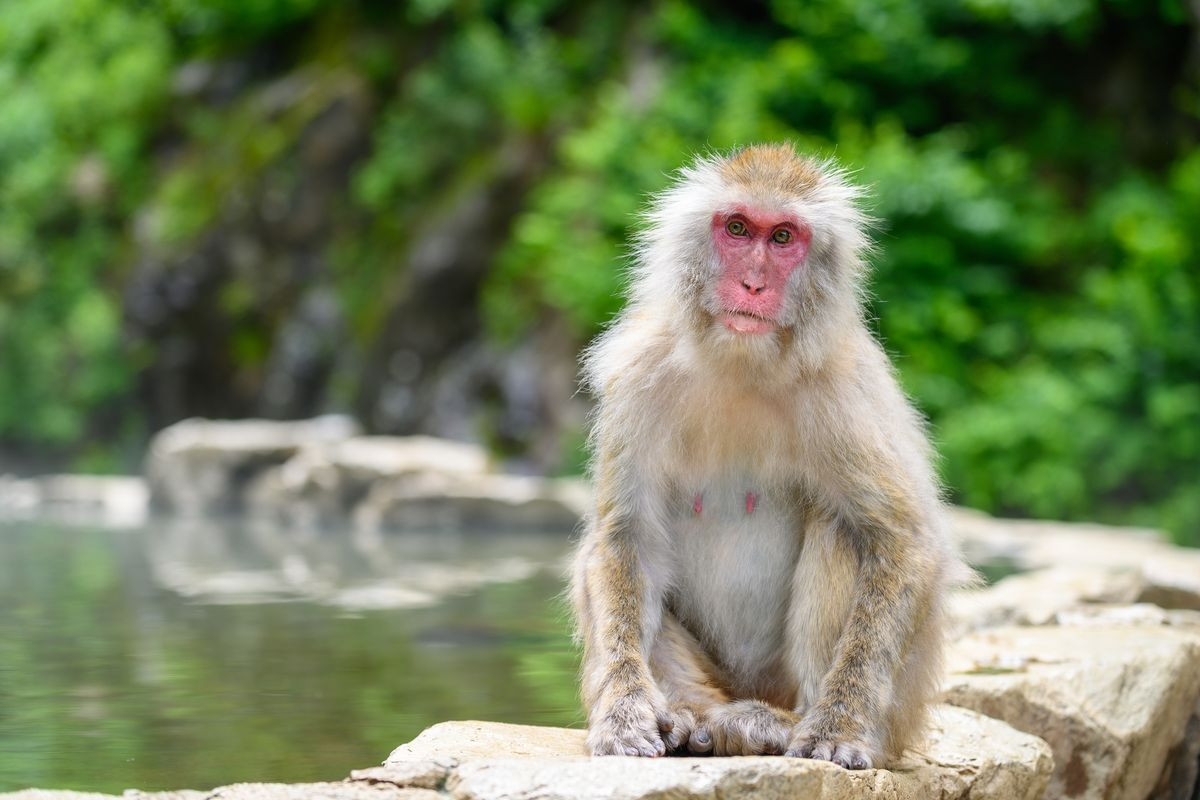
Following the latest incident in Shunan, municipal officials and wildlife experts repeated advice for anyone who comes face to face with a wild macaque. Residents are being told not to make direct eye contact, to make themselves look as large as possible, for example by opening a coat, and to back away slowly and calmly without sudden movements.
People are also being advised to keep pet food indoors and make sure doors and windows, including sliding ones, are securely locked. Police have reportedly increased patrols while urging residents to stay cautious.
For one stray cat that happened to be in the wrong garden at the wrong moment, the encounter ended far better than it might have. A soaking is not ideal. But for feline fans reading this one, the headline detail is simple enough: the cat made it out.
Why cats and water rarely mix
Most cats can swim if they have to. Their bodies are buoyant enough to paddle, and many will aim for the nearest edge or solid footing. But being able to swim is not the same as being comfortable in water. A sudden fall into a pond, canal, pool, or bucket is stressful, disorienting, and physically tiring, especially for a small, older, injured, or long haired cat.
Cats also lose body heat when their coat is soaked. Even a cat that climbs out quickly may stay chilled, shaken, and less coordinated for a while. After any unexpected dunking, the main concerns are exhaustion, shock, inhaled water, and hidden injury from scrambling against hard edges or getting tangled in plants, netting, or debris.
How to help a wet cat safely
If a cat gets out of the water, keep your own safety first. A frightened cat may scratch or bite even if it normally seems friendly. Speak softly, move slowly, and use a towel or blanket to help contain and dry the cat if it will allow handling. Give it a warm, quiet place away from dogs, children, traffic, and crowds.
Watch for warning signs that need prompt veterinary help: open mouth breathing, coughing that does not settle, extreme lethargy, pale gums, trouble standing, vomiting, or obvious limping. If the cat seems stable, offer shelter and let it calm down before attempting more handling. For a stray or community cat, contact a local rescue group or veterinary clinic for advice, especially if the cat appears injured or cannot get fully dry and warm on its own.
When wild animals and cats cross paths
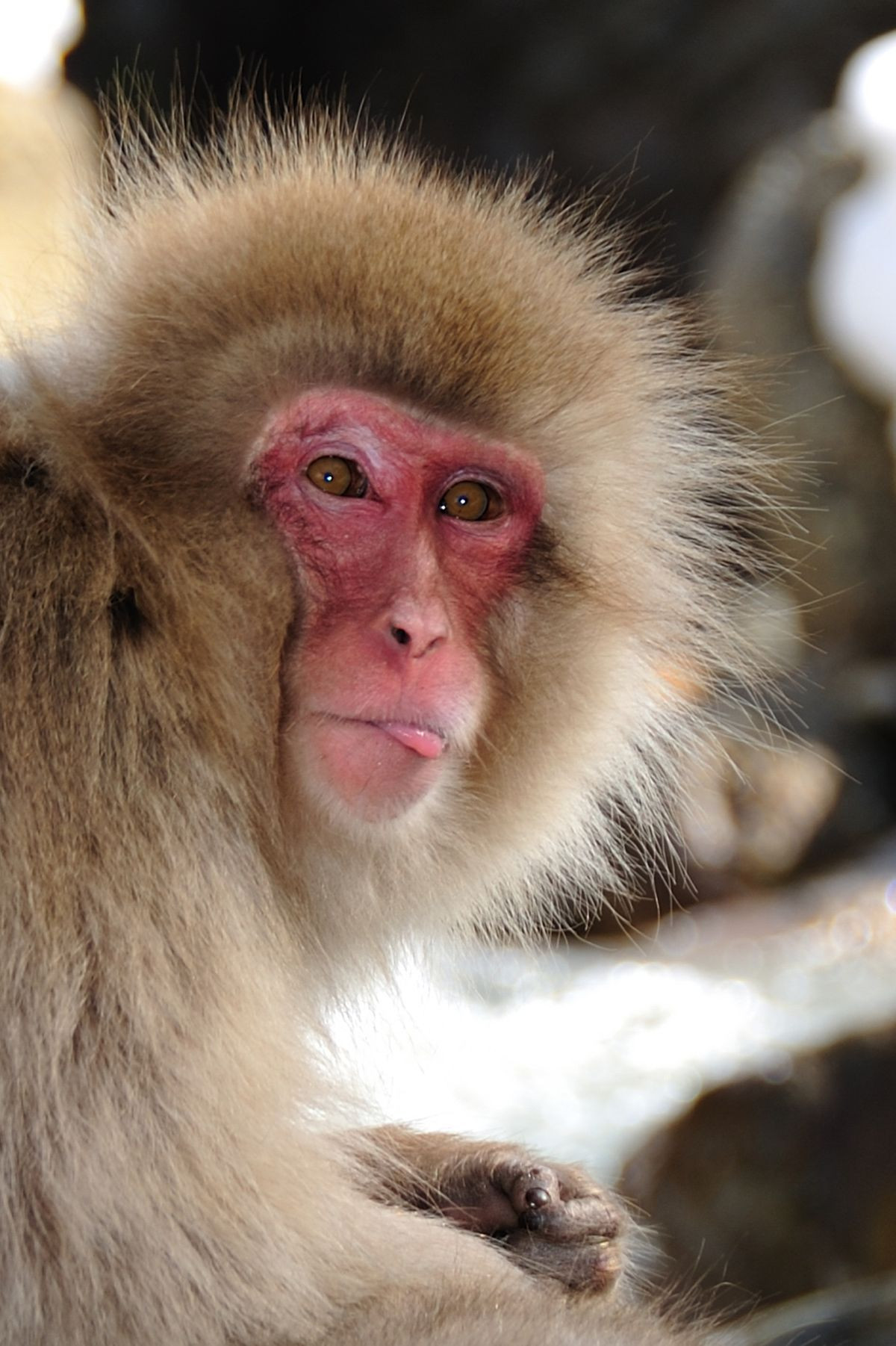
Monkeys and other urban wildlife are curious, quick, and highly responsive to food, movement, and territory. They may chase, grab at, or test other animals without warning. The most useful prevention is reducing attractants. Do not feed wild animals, secure rubbish and pet food, and avoid leaving bowls of food outdoors for long periods where wildlife is active.
If you care for outdoor cats, place feeding stations near cover and away from water hazards. Check gardens for steep sided ponds, slick edges, and netting that can trap an animal trying to climb out. A simple escape route, such as a rough ramp, shallow ledge, or sturdy branch fixed at the edge, can help any small animal get out fast.
Share this article:





