
Michigan firefighters rescue cat from underground pipe with an unlikely tool

It was not a cat in a tree. It was a cat crying from below ground, stuck in a pipe, and the rescue took a wonderfully unexpected turn when firefighters reached for a shop vacuum instead of a ladder. In Southfield, Michigan, that unusual bit of problem-solving helped bring the animal within reach and turned a strange emergency into a happy ending.
The cries were coming from underground
The call that went out to the Southfield Fire Department involved a cat in distress trapped in a pipe below ground. Instead of the familiar picture people tend to imagine when firefighters and cats share a headline, this animal was not perched in a tree. The cat was crying from a buried pipe.
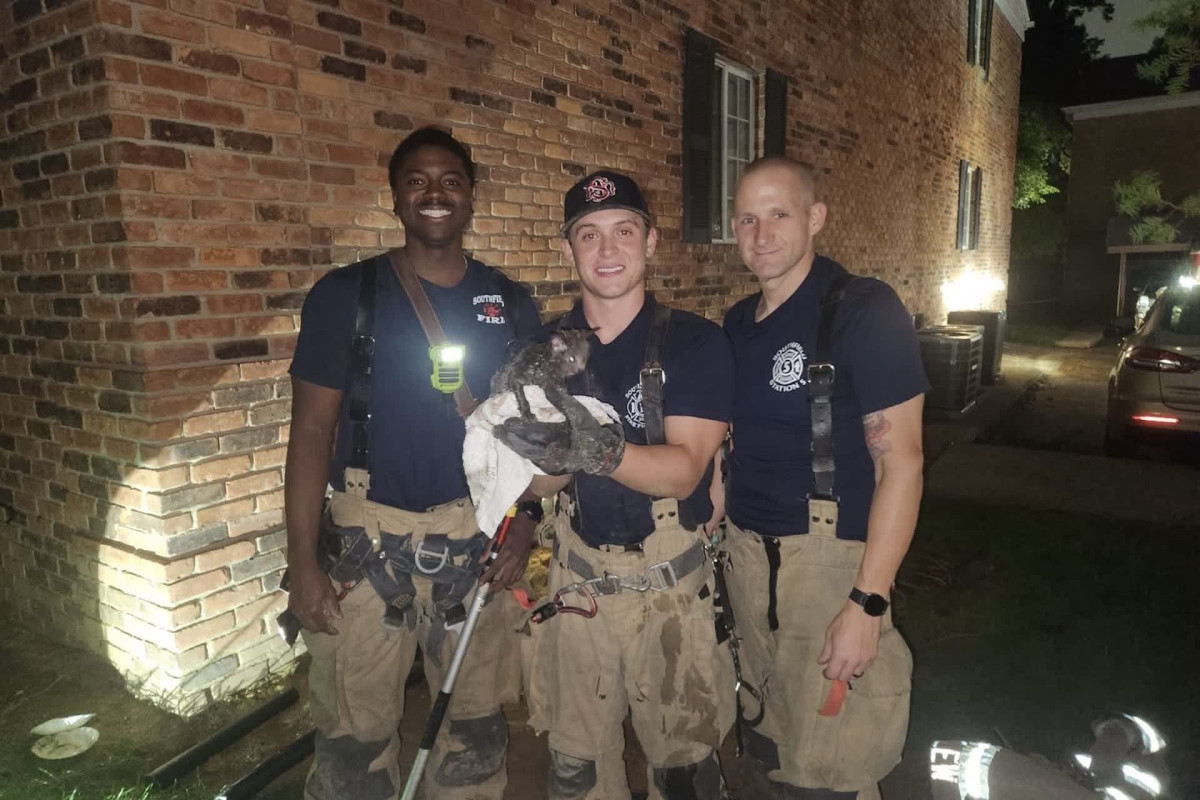
The crew sent to the scene included Lt. Kiah, Firefighter and Paramedic Ballew, and Acting Driver Engineer Siburt. What they found called for the kind of improvisation firefighters are often praised for on emergency calls. According to the department, this crew showed exactly that kind of outside the box thinking.
A rescue tool from the cleanup aisle
The piece of equipment that helped free the cat was not something most people would expect to see in an animal rescue. Firefighters used a shop vacuum's suction to draw the cat to a point where they could safely reach it.
That is a very different job from what a shop vacuum is usually built for. The heavy-duty machines are more commonly associated with worksites and cleanup jobs involving wood chips, debris, or water. In Southfield, though, one became the key to a feline rescue.
The department shared photos from the scene showing the vacuum, the crew, and the pipe where the cat had become stuck. Even without a dramatic tree branch in sight, the images captured a classic rescue story in a very unclassic setting.
The department also leaned into the contrast with a little humor. It joked that the incident answered the old question of whether firefighters rescue cats. The answer, it said, is yes. They are just not always up trees.

Why this odd little rescue struck a chord
Part of the appeal here is the sheer specificity of the problem. A cat under the ground in a pipe is not the sort of emergency most people picture, and a shop vacuum is not the sort of hero most cat stories produce. Put the two together, and the rescue becomes memorable fast.
People responding to the department's post seemed to appreciate that ingenuity. One commenter summed it up as "Good old Yankee Ingenuity," while another described the move as creative. The department itself praised the crew's resourcefulness, saying firefighters are often known for finding unconventional answers on difficult calls, and that this team was no exception.
For cat people, the story also lands because it keeps one of the oldest themes in feline lore intact. Cats do manage to get into extraordinary places. Humans then have to figure out how to meet them there, or at least as close to there as possible. In this case, the answer was not climbing higher. It was listening for cries underground and turning a cleanup machine into a rescue device.

A safe ending for the cat
After the firefighters pulled the animal free, the department said the cat was doing fine. That brief update was the most important detail of all.
The department celebrated the outcome with another cat friendly flourish, calling it a purr-fect ending. Beneath the pun was a simple point. When an animal is in trouble, getting trained responders involved quickly can make all the difference, especially when the situation is awkward, hidden, or hard to reach.
This rescue also served as a reminder that the most useful equipment at a scene is not always the equipment anyone expected to need. Sometimes the right tool is the one already on hand, used in a smart and careful way.
Southfield's underground cat rescue joins the long, strange catalog of places cats can end up and the even stranger methods people use to help them out. But this one stands out for its setting, its ingenuity, and the image it leaves behind. Somewhere in metro Detroit, a cat cried from below ground. A firefighter crew listened, adapted, and with the help of a shop vacuum, brought the story back up into the light.

Why cats end up in pipes
Cats are drawn to narrow, covered spaces because those spots feel sheltered and defensible. A storm drain, culvert, or utility pipe can look like a safe hiding place, especially to a frightened cat or a curious young one. Once inside, smooth walls, darkness, water, mud, and the echo of their own movement can make turning around difficult.
Not every underground pipe carries sewage. Many are built to move rainwater away from streets or yards, and some simply connect ditches or runoff channels. Even so, they can still be dangerous. Water levels can change quickly, air can be stale, and a cat that keeps backing away from people may end up deeper inside.
How rescues usually work
Getting a cat out of a pipe is often more about guiding than grabbing. Rescuers usually try to find every opening first, then listen for movement and watch for eyeshine with a flashlight. A flexible inspection camera can help show bends, standing water, or the cat's position without sending a person into a confined space.
Many successful recoveries rely on calm, steady pressure rather than force. Blocking off one exit, reducing noise, and encouraging the cat toward a safe opening can work better than chasing it. Familiar voices, strong smelling food, and a carrier or humane trap placed at an exit may give the cat a clear, secure place to go. Direct pulling is tricky because cats can twist, brace, and panic in tight spaces.

What pet owners can do
If a cat disappears into a drain or pipe, do not pour water, food scraps, or anything chemical into the opening. Do not send another pet after it, and do not climb into a confined space yourself. Keep the area quiet, note where the pipe begins and ends, and post someone at each accessible opening if possible.
Use a soft voice. Put pungent wet food near an exit, not deep inside. If the cat comes out, offer a towel lined carrier and a calm indoor room afterward. Seek veterinary advice if the cat is cold, coughing, limping, or seems unusually tired.
Share this article:





