Retired Marine K-9 Enzo Reunites With Sgt. Joe Stasio at Buffalo Airport

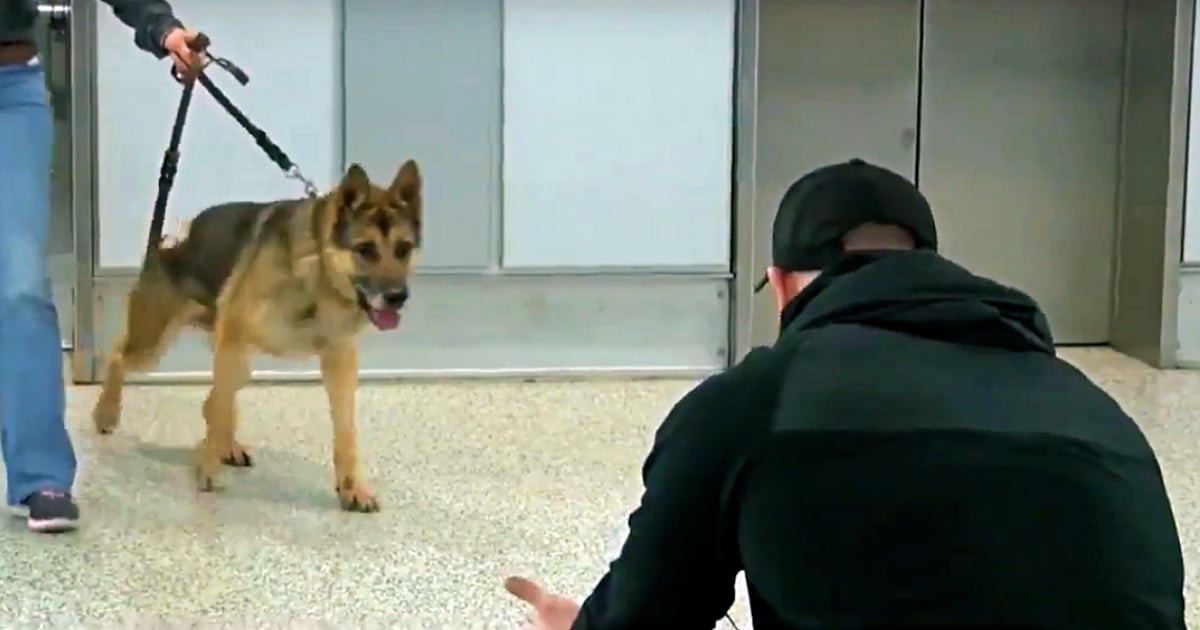
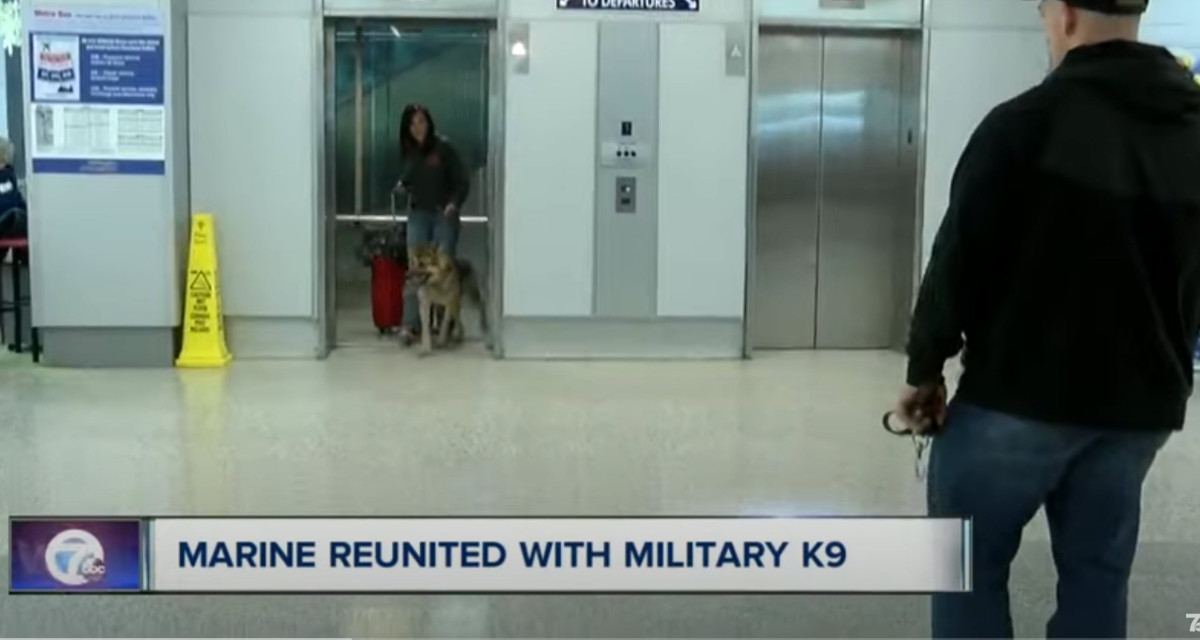
Enzo’s moment came at an airport elevator. The retiring military dog stepped out at Buffalo/Niagara International Airport in New York and found Sgt. Joe Stasio waiting, ending a separation that had lasted three years.
What made the reunion stand out was how much history was packed into that brief meeting. Stasio and Enzo had served together in the Marines for more than a year, building the kind of working bond that comes from training together in the United States and spending seven months side by side in Kuwait.
They had not seen each other since January 2017. Enzo is now 8 years old and retiring, which opened the door for Stasio to bring his former partner home. Mission K9 Rescue helped make the adoption possible.
The pair were not able to reunite right away, but the meeting finally happened in Buffalo after Enzo was flown from Camp LeJune in North Carolina. Stasio waited outside the elevator for him, and as soon as Enzo appeared, Stasio pulled him into an embrace.
For Stasio, this was more than a happy airport pickup. He said getting Enzo back meant everything to him, described their bond as a huge one, and said adopting him was good for his soul.
For dog lovers, it is the kind of scene that needs very little explanation: one handler, one retired K-9, and a connection that was still there the instant they saw each other again.
What retired working dogs are trained to do
Military and other working dogs are not ordinary pets with extra obedience. They are usually trained for highly specific jobs such as scent detection, tracking, area searches, and controlled protection work. The training is built on repetition, clear cues, reward, and a strong routine with one main handler or a small team.
That structure matters after retirement. A dog that spent years being rewarded for alertness, focus, and quick response may still scan rooms, pace near doors, react strongly to uniforms or gear, or become intensely interested in bags, vehicles, or unusual smells. None of that automatically means a dog is unsafe. It usually means the dog has learned a job and may need help learning a slower home life.
Why handler bonds can be so strong
Working dogs often form unusually close attachments because they live, train, travel, and solve problems with the same person over long stretches of time. Handlers learn the dog’s stress signals, play style, and work habits. Dogs learn the handler’s voice, body language, and expectations. That kind of partnership can stay powerful long after the job ends.
For readers with pet dogs, the useful takeaway is simple: routines and shared tasks build attachment. Regular walks, scent games, short training sessions, and calm greetings do more for bonding than occasional big gestures. If a dog is anxious or overexcited, predictable patterns usually help more than constant novelty.
What retirement and adoption can look like
Retirement can happen when a working dog gets older, develops a medical issue, or is no longer the right fit for active duty. Some retire with a former handler. Others are adopted by experienced homes. The transition can be smooth, but it often takes patience.
Anyone considering a retired working dog should ask for a full behavior and medical history, use a veterinarian who understands athletic dogs, and line up a trainer who uses clear, reward based methods. Expect a decompression period. Keep the home quiet at first, supervise introductions to children and other pets, and avoid crowded public places until the dog’s comfort level is clear. Strong chew items, scent games, and structured exercise can help replace the mental workload of the dog’s former job.
Share this article: