
Missing Cat Ginge Reunited After Nearly a Year When a Feral Colony Rescue Led to His Microchip

The photo friendly ending to Ginge's story is the reunion, but one of the sweetest moments came just before it: a missing ginger tom finally sleeping soundly. After almost a year away from home and a stretch living alongside a feral cat colony far from Sunderland, Ginge spent a night curled up at a volunteer's house before heading back to his family.
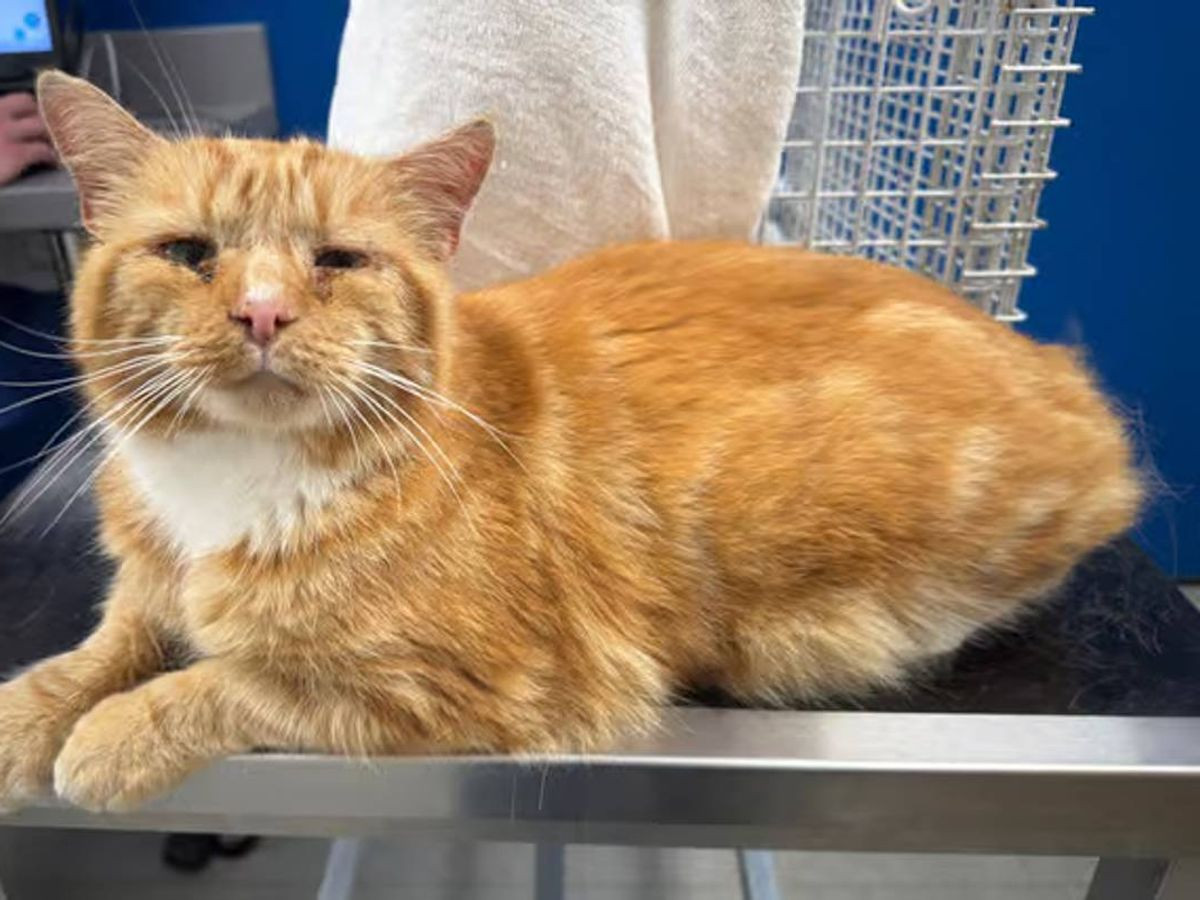
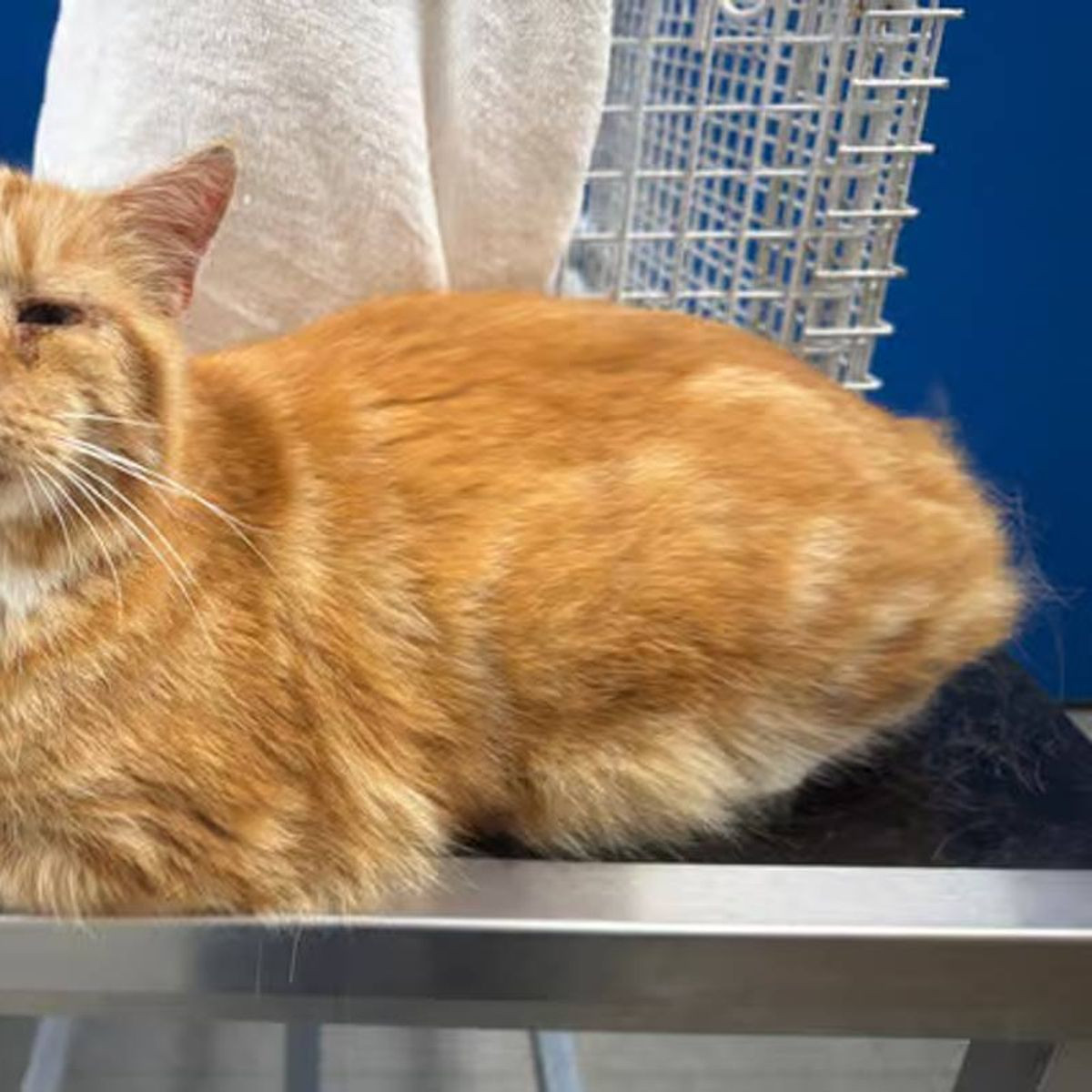
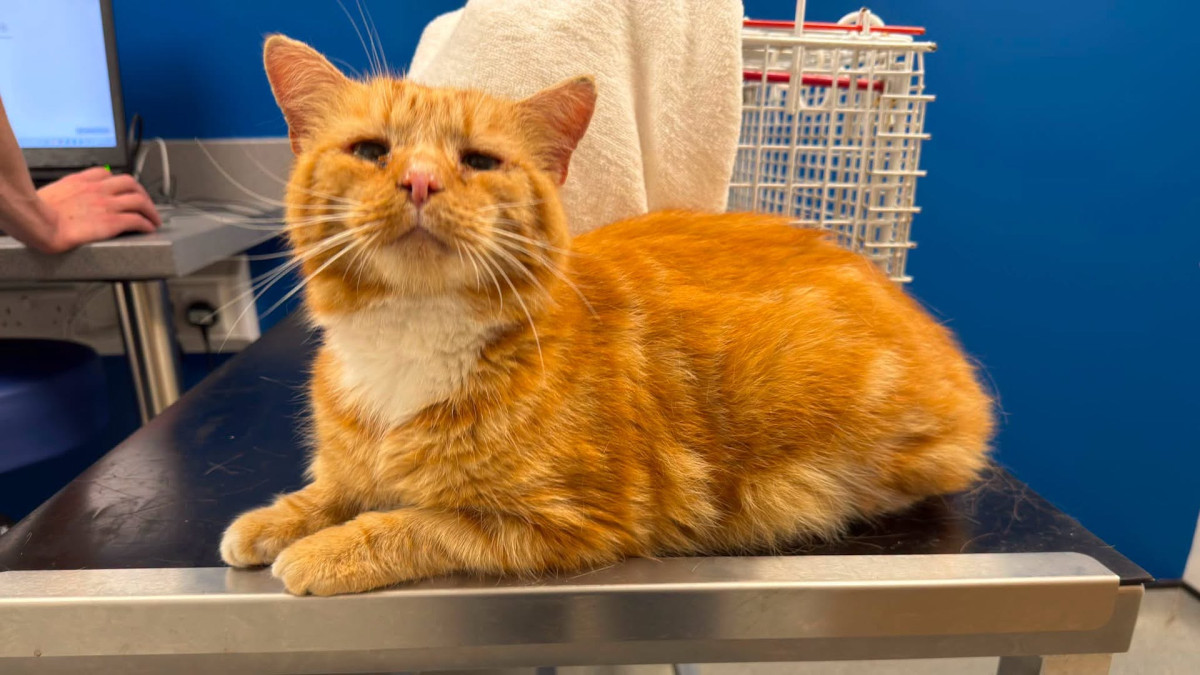
By the time Ginge reached Lucy Roche's home, the mystery had already started to unravel. The sociable ginger tom had been caught in a humane trap, taken to a vet, scanned for a microchip and linked to a family in Sunderland, more than 86 miles away. What came next was quiet rather than dramatic. Lucy said he snuggled up next to her and fell deeply asleep, adding that she did not think he had had a good night's sleep in ages.
That night at a volunteer's house became the last stop in an unexpectedly long detour. The following day, Ginge's owner, Beth, came to collect him. Video of the reunion was shared on social media, and the clip quickly travelled far beyond the handover itself, drawing reactions from around the world. Lucy said people in places including America and New Zealand had been in touch to say what a wonderful story it was.
The colony cat who seemed different
What set Ginge apart was not a collar or a tag. It was his manners. Lucy, a branch leader for Cat Action Trust 1977, had been tending a feral cat colony when she noticed that one ginger newcomer did not behave like the others. While stroking him, she thought he was so friendly that he could belong to someone.
Ginge had first appeared at the site weeks earlier. Volunteers there had been giving him food and water, part of the regular care they provide for cats living in feral colonies. In some accounts of his rescue, the help offered at such sites also includes shelter. For a cat that had been missing for nearly a year, that routine support mattered. But Lucy also had a hunch that this was not simply another feral cat settling into the group.
So she moved carefully. She managed to catch Ginge safely using a humane trap, then brought him to a vet. It was a standard step, but in this case it opened the whole story. The scan showed that the cat who had turned up in a colony far from home was not unclaimed at all. He belonged to a family in Tyne and Wear.
A phone call Beth never expected
Once the microchip details were checked, the trail led to Beth in Sunderland. Lucy said Beth was in floods of tears when she phoned to say Ginge had been found, and could hardly believe her missing pet was coming home. That reaction makes sense in the plain facts of the case alone. Ginge had been gone for almost a year. He had turned up a long way from home. And until that scan, there was no obvious way to connect the friendly cat in a colony to the person who had been missing him.
Several versions of the story describe just how far he had travelled or been found from where he belonged. Some put the distance at 86 miles, while another described it as roughly 100 miles. Either way, the important point was the same. Ginge was nowhere near the home where he had disappeared, and without the chip there was no practical way for the charity to identify his family.
Instead of having been taken in by another household, he had apparently been surviving alongside a feral colony. That detail gives the story its strange, almost novel like shape. A cat known for being friendly had somehow ended up living among far less social companions, only to be recognized precisely because he never stopped acting like somebody's pet.
What the rescuers were already doing there
Ginge's return home also shines a light on the kind of work that made his discovery possible. Cat Action Trust 1977 volunteers regularly visit feral cat colonies across Leeds. They bring food and water, provide warm shelters, and arrange veterinary care and neutering where needed. If a colony is living somewhere considered unsafe, cats can be relocated either to new homes or to rural settings such as farms.
That means volunteers are not only stepping in for emergencies. They are maintaining a steady network of care for cats who might otherwise be overlooked. In Ginge's case, that regular presence meant someone was there to notice a newcomer, spend enough time with him to see that he was unusually tame, and follow that instinct all the way to a chip scanner.
Lucy said the Leeds branch is run entirely by volunteers and is receiving non stop calls for help every day. She said so many cats are getting abandoned, lost or injured, and that the group's aim is simply to make life better for all cats. Ginge's story is the kind that spreads because it ends well, but it arrived out of a much larger stream of cases that do not begin with a camera ready reunion.

A warm ending, and a practical reminder
For cat people, the appeal here is obvious. There is the long absence, the colony twist, the volunteer who trusted her instincts, the exhausted nap, and finally the owner getting her cat back. The social media response suggests plenty of other people felt it too. A clip of one family seeing a missing pet again resonated far beyond Sunderland and Leeds.
Lucy has also pointed to a very practical reason the story matters. Ginge was traceable because he had a microchip, and she said that was the only reason the charity could find his family. In England, microchipping pet cats became a legal requirement in 2024. Ginge's journey became an example of why that rule can make a difference.
There is one more small lesson tucked inside the larger one. A cat in a feral colony is not always feral. Sometimes the giveaway is simple. One cat accepts a stroke a little too easily, settles beside a human a little too quickly, or sleeps with the kind of total relief that suggests he has finally stopped wandering. In Ginge's case, that was enough to turn a colony visit into a reunion.
Share this article:





