
Missing Dog Roo Found Alive After Two Days in a San Francisco Train Tunnel

For two days, a dog named Roo stayed inside a San Francisco Caltrain tunnel so motionless that train operators believed they were looking at a dead animal. A small movement on the second day changed that, and set up the kind of rescue dog lovers will want to watch all the way to the end.
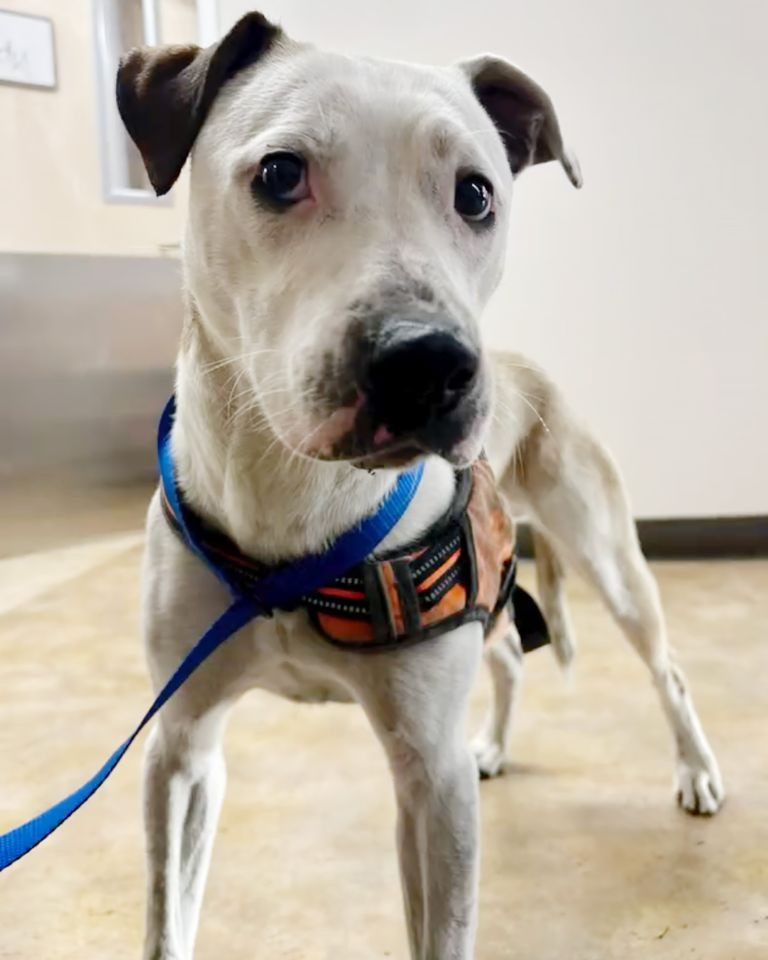
San Francisco Animal Care and Control shared video of Roo’s rescue on Wednesday, July 29. In the footage, two officers head into the dark tunnel with Caltrain staff to reach the frightened dog, who had spent two days hunkered down there.
The shelter said train operators saw Roo on the first day and assumed he was a dead animal. On the second day, a driver noticed that he moved. Because he had stayed so still, crews thought he may have been hit by a train and injured.
What they found instead was a dog who had somehow made it through the ordeal without being struck. Officials were relieved to discover Roo was not injured. He was terrified, but physically okay, after hiding in the darkness while trains continued to pass through the commuter rail tunnel.
The video captures the tense part of the rescue, the careful approach, the leash slipping on, the uncertainty of whether a panicked dog will bolt or trust the people trying to help. According to the shelter, Roo was scared at first. Once officers got control of the situation, that fear gave way to obvious relief. The dog who had been frozen in place was suddenly, in the shelter’s account, thrilled to be getting out.
A scan, and a home waiting
Roo’s trip into the tunnel stopped being a mystery as soon as shelter staff checked him for identification. He had a microchip.
That scan quickly filled in the missing part of the story. Roo had recently been adopted, and he had run off after getting spooked. While he was hiding in the tunnel, his person had been looking everywhere for him.
The microchip allowed the shelter to connect Roo back to his owner fast, turning a rescue that could have ended very differently into a reunion. His person was thrilled to have him back.
For dog owners, Roo’s escape and return carry a simple lesson. The shelter pointed to microchipping as a key reason this story ended well. Newly adopted dogs can be especially likely to bolt when they are startled, and a registered chip can make it much easier for shelters to identify a lost pet and get that animal home.
Roo’s story began in a dark rail tunnel, with crews fearing the worst. It ended with a leash, a scan, and a dog who made it back safely.
Why rail tunnels are so dangerous for dogs
Rail tunnels and track corridors can attract a frightened dog because they are enclosed, quiet between train movements, and full of strong smells. But they are hazardous places. Trains are fast and can be much quieter than people expect. The ground may include gaps, cables, oily surfaces, sharp ballast, and narrow ledges with few safe exit points.
A dog in that setting may keep moving instead of doubling back, especially if it is scared by noise, lights, or people calling. That is why the safest response is usually not to climb onto tracks or enter a tunnel yourself. Alert transit staff, animal control, and local shelters right away. People who manage rail systems can slow service, check cameras, or send trained crews into restricted areas more safely than members of the public can.
How scared dogs often behave when they are lost
Many missing dogs do not act like they do at home. Even friendly pets can switch into a flight mode where they avoid eye contact, ignore their name, and run from the very people trying to help. Chasing often makes that worse.
A calmer approach works better. If the dog is in sight, crouch low, turn slightly sideways, avoid reaching, and use a soft voice. Toss high value food behind the dog or to the side so it pauses and starts sniffing. Leashes, slip leads, crates, and familiar bedding can help once the dog slows down. If the dog is gone from view, leave out scent items such as an unwashed shirt or the dog's bed near the last known area, if it is safe and allowed.
What to do if a dog goes missing near traffic or transit
Start with fast, simple steps. Call local shelters, veterinary clinics, animal control, and the relevant transit or road authority. Give a clear description, recent photo, and exact last known location. Check that the dog's microchip contact details are current, and report the dog missing with the chip registry.
Search nearby at dawn or dusk when the area is quieter. Ask neighbors, workers, and security staff to look under structures, in fenced lots, and along edges where a dog might hide. Post concise alerts online and on paper, but avoid creating a crowd that could spook the dog. Once the dog is found, even if it looks fine, a veterinary check is wise because stress, dehydration, sore paws, and minor injuries are easy to miss.
Share this article:





