
Missing Dog Walks Into Tampa Police Station and Finds His Way Back to His Owner

An unknown dog showed up at a Tampa police station and quietly set a reunion in motion. By the time an officer reached the owner's home, the woman had already spent the morning crying over her missing pet.
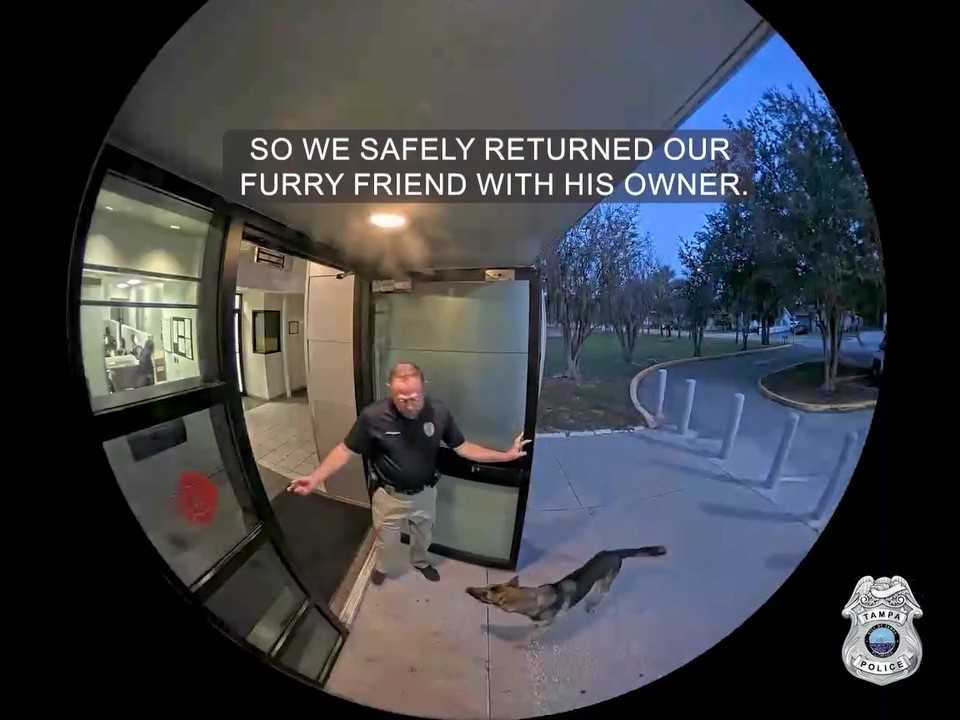
The story begins at the entrance to the Tampa Police Department's District Two station, where an unexpected visitor appeared on Sept. 30. The dog was unidentified when he arrived, standing outside the station in the early morning.
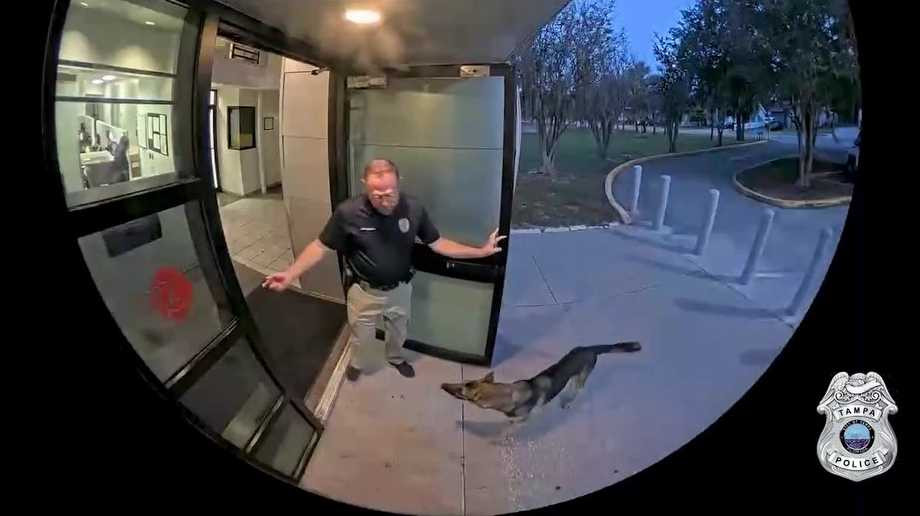
Surveillance video captured what happened next. As the dog moved around a corner, an officer stepped outside and met him. The dog then followed the officer into the station, turning a routine moment at the building into something much more memorable.
The police department later had a little fun with the surprise appearance. In a Facebook post published Oct. 7, it described the dog as an "unexpected K-9 applicant" who seemed ready to join the team. The department added that its K-9 roster was already full, but said the visitor still "stole our hearts."
A microchip, a front door, and four words
Before bringing the dog back, the officer took him to a veterinarian and had his microchip checked. That step gave police the information they needed to find the owner.
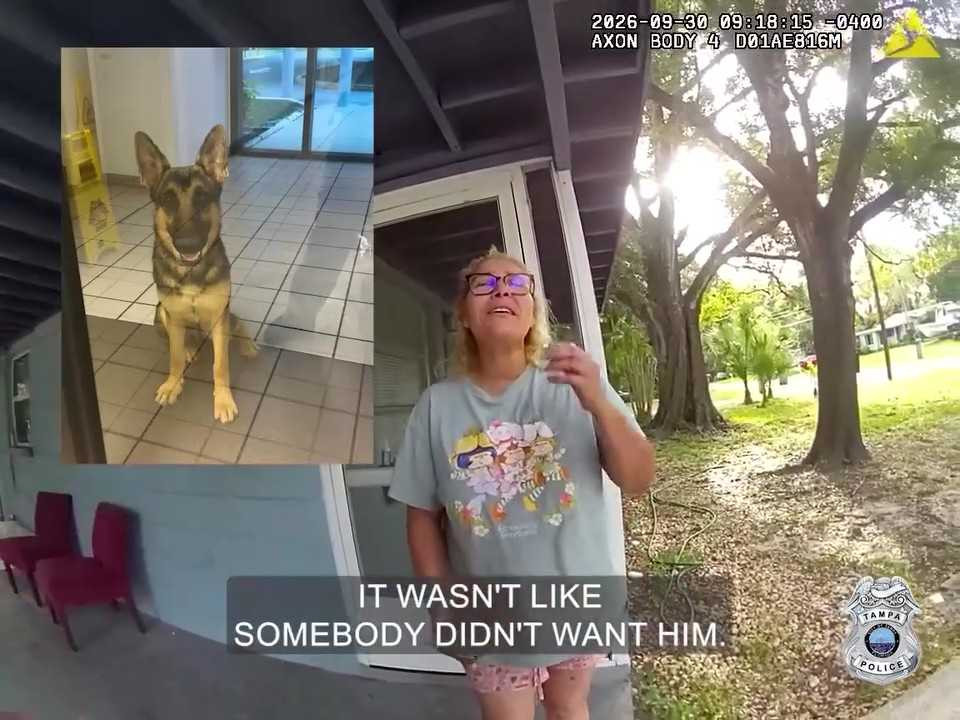
At 9:17 a.m., an officer went to a home. As he approached a woman there, she told him she was not doing well because she had lost her dog. The answer she got back was simple and immediate.
"I have him," the officer said.
The woman reacted in disbelief. She said she had been crying that morning because the dog was missing. The officer then reunited her with her pet, closing the loop on a strange but gentle journey that had started at the police station door.
How lost dogs often get home
Many dogs are reunited because they are carrying simple identification. A collar tag can get the fastest result if the phone number is current and easy to read. A microchip helps when the collar is missing or the tag is damaged. The chip does not track a dog’s location. It stores an identification number that can be read with a scanner, then matched to the owner’s contact details in a registry.
That only works if the registration is up to date. If you move, change numbers, or transfer ownership, update the chip record. It is also smart to keep recent photos that show the dog’s face, body markings, and any scars or distinctive features. Those details matter when someone is trying to confirm a match.
What to do if your dog goes missing
Start close to home. Many dogs stay nearby, circle back, or follow familiar routes. Check yards, garages, porches, parks, and any place with food, water, shade, or other dogs. Ask neighbors to look calmly rather than chase. A frightened dog may keep moving if people rush toward it.
Call nearby shelters, veterinary clinics, and local animal control or non emergency public safety lines, since found dogs are often taken to places with scanners. Post clear photos and contact details on local community pages and lost pet groups. Put out familiar scents, such as bedding or an unwashed item of clothing, and keep one person at home if possible in case the dog returns on its own.
If you find a loose dog
Approach slowly and sideways, using a soft voice. Do not grab suddenly, especially if the dog seems hurt or scared. If it is safe, check for a tag. Offer water, secure the dog in a contained area, and contact a shelter, clinic, or public safety office that can scan for a microchip.
If the dog is roaming near traffic or seems injured, call professionals rather than risking a bite or a road accident. When sharing a found dog online, include the area and basic description, but consider holding back one identifying detail so the real owner can confirm it.
Share this article:





