Mom Checks on Her Quiet Toddler and Dog, Then Finds Hippo Calmly Playing Patient

A mother went looking after noticing something parents and pet owners both recognize right away: things had gotten a little too quiet. What she found was not trouble, but a toddler carefully tending to Hippo, the family’s American Bully, in a make-believe exam room.
The Instagram clip, shared by @chulpanfam, starts with a line of text that sets up the whole scene: “When your dog and toddler have been quiet for too long.” The mother records as she walks into the room where her daughter and dog had been playing.
Inside, the silence turns out to be the sweetest kind. Hippo is stretched out on a white carpet with toys around him, completely settled as the little girl continues a pretend doctor visit. Instead of bouncing away or interrupting the game, the dog stays still and lets her carry on with total focus.
Hippo plays the perfect patient
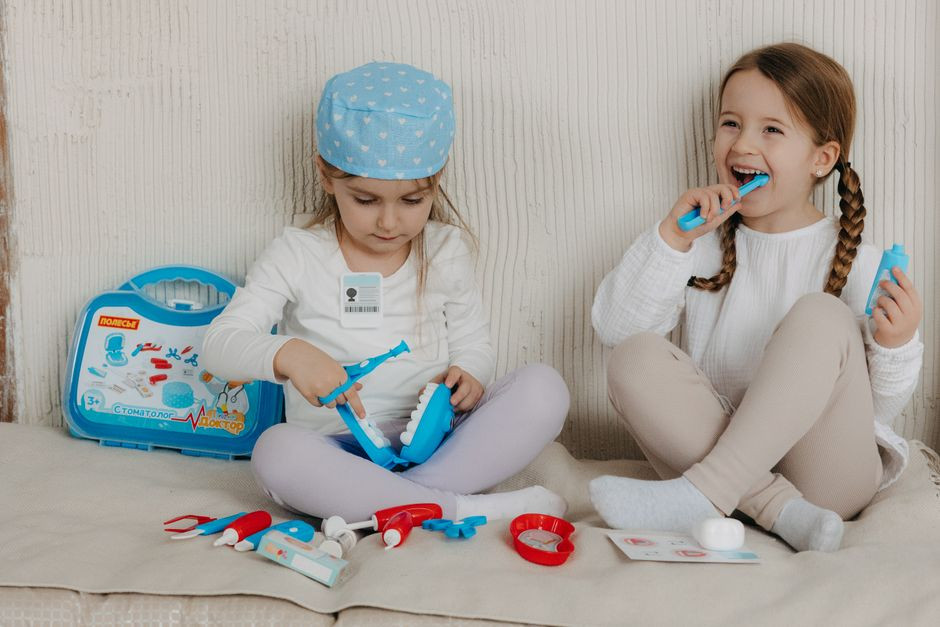
The toddler appears to have come prepared. She places bandages on Hippo and uses toy medical tools as if she is working through a full checkup. According to the video, she checks his blood pressure and even his bones, moving through her duties with the seriousness of someone who knows exactly what her patient needs.
Hippo matches that energy by doing almost nothing at all. He does not flinch or make a sound. He simply lies there, looking comfortable and even a little sleepy, as if this routine is already familiar. The video suggests he is well acquainted with his tiny human’s playtime ideas, and in this round he fully commits to the role of patient.
A small family moment that drew a big response
The caption adds another playful note, calling the video part of “Life with a dog and a toddler.” Viewers clearly connected with that glimpse of home life. One person summed up Hippo’s trust with the comment, “The one vet he trusts.” Another joked, “That dog is going to live forever under her care.”
As of publication, the post had collected more than 110,000 likes. The reason is easy to see in the clip itself. There is no big stunt and no elaborate setup, just a child deep in pretend play and a dog patient enough to let her finish the job. The mother may have entered the room expecting mischief. Instead, she found a gentle little partnership, complete with bandages, toy instruments, and one very cooperative American Bully.
Why some pets tolerate pretend play
Many family pets learn routines quickly. A calm dog or cat may sit still during gentle pretend play because the child is familiar, the touch is light, and the animal has learned that staying relaxed brings praise, petting, or a treat. That does not mean the animal enjoys every part of it, or will always react the same way.
Young children often copy caregiving they see from adults, including using toy stethoscopes, brushes, or blankets. That kind of role play can be sweet, but it should stay simple and gentle. Avoid anything that wraps around the neck, covers the face, goes in the ears or mouth, or restricts movement. Even easygoing pets can become uncomfortable if they feel trapped or confused.
How to make child and pet time safer
The best setup is active supervision at arm's length. Toddlers move fast and do not yet read animal signals well. Keep interactions short, calm, and structured. Show a child how to use one hand for gentle strokes on the shoulder or chest, rather than hugging, climbing, grabbing fur, or touching paws and tail.
Give the pet a clear choice to leave. An open doorway, a bed in the corner, or a crate with the door open can act as a safe retreat. If the animal walks away, shakes off, turns the head, licks the lips, yawns when not tired, stiffens, flattens the ears, or shows the whites of the eyes, end the activity and let the pet rest.
Reward the pet for calm behavior with quiet praise or a small treat after the child steps back. This helps the animal associate children's noise and movement with good things, while keeping the session positive.
Useful habits for homes with pets and toddlers
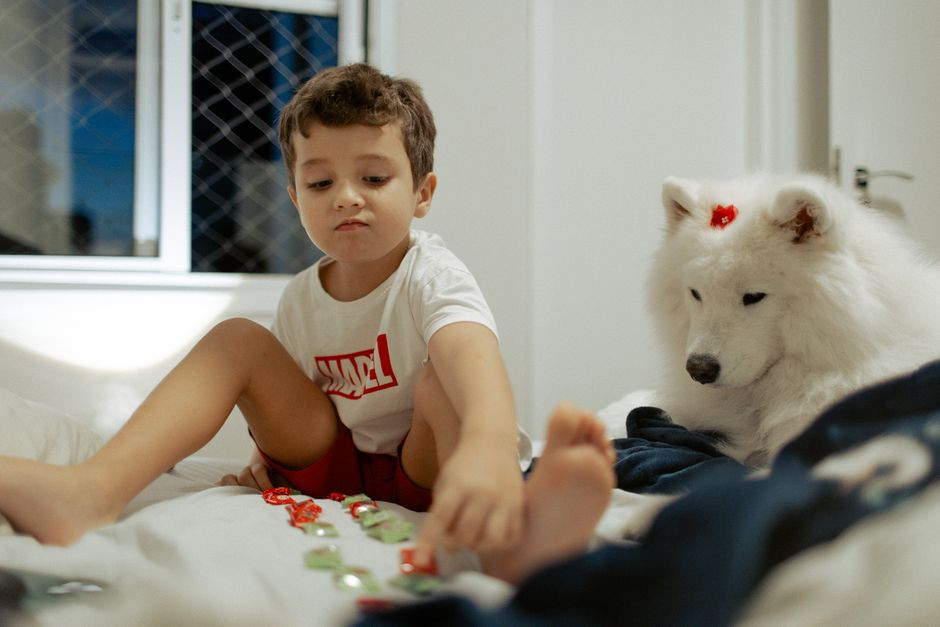
Teach a few simple rules early: let sleeping pets sleep, ask an adult before touching, keep toys and snacks separate from the pet's space, and use indoor voices around food bowls and beds. For cats, add vertical escape spots so they can watch from a distance.
If a pet seems uneasy around children, do not force closeness. Use gates, leashes, pens, or separate rooms to create calm distance while you build better habits. For any concerns about fear, growling, snapping, or rough handling, ask a veterinarian or a qualified trainer for guidance. Gentle practice, short sessions, and easy exits usually matter more than a pet's patience.
Share this article: