New Wild Cat Species Identified in Bolivia: Meet the Tilcayo

A tiny spotted wild cat in Bolivia has gone from "weird cat" to brand new species. Scientists have formally named it Leopardus tilcayo, giving cat lovers the first newly described feline species in more than 100 years.
A tiny wild cat gets its name
Leopardus tilcayo is smaller than the average housecat, but it now has a very official place in feline history. A paper published yesterday in Cell describes it as the first new feline species to enter the scientific record since 1923.
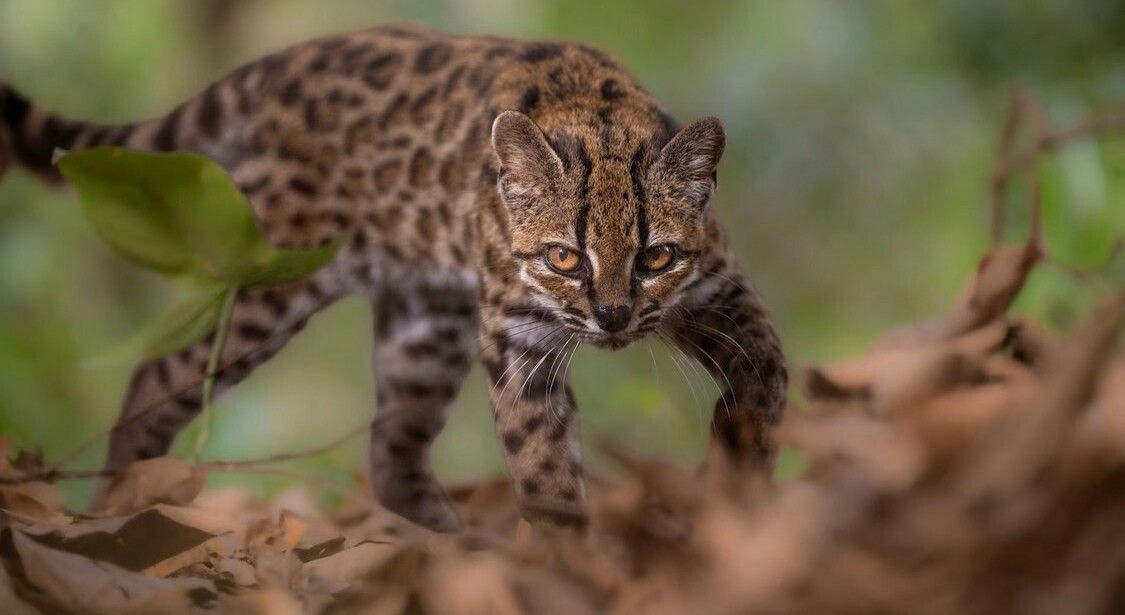
The story began with a 2016 phone call to Bolivian biologist Paola Nogales-Ascarrunz, founder of the Bolivian Felids Research Program. A man had found what was described as a weird cat and brought the kitten to a wildlife sanctuary after realizing it was not domesticated. When Nogales-Ascarrunz saw the animal, she was struck by its long whiskers, small ears and large rosettes, signs that it belonged to Leopardus, the group that includes several small spotted wild cats.
At first, she thought it was Leopardus tigrinus, one of the cats also known as oncillas, tigrillos or little spotted cats. While preparing a booklet on Bolivia's cat species three years later, she concluded that this animal and another one showed substantial differences. That set off about five years of genomic analysis with geneticist Eduardo Eizirik, work that led the team to a startling result: this was a species science had not previously recorded.
Why the tilcayo matters
The new name comes from the indigenous word tilcayo, which local people said had been handed down from their grandparents. Researchers say the cat lives in the Yungas forest ecosystem on the eastern slopes of the Bolivian Andes.
There is still plenty scientists do not know. Its diet, predators, reproductive cycle and social behavior remain mysteries. Even so, the genetics were clear enough to show that the tilcayo split from its nearest common ancestor about 1.4 million years ago.
The finding also reshapes the family tree for Leopardus. Eizirik said researchers have spent about 25 years trying to sort out the tiger cat branch of the genus and have learned that what once looked like a single species was actually a species complex. Building on earlier work, the new study expands that branch to five members.
For researchers and conservationists, that change starts now. When cats are divided into more distinct species, their perceived populations are divided too. The broader tiger cat group is at best considered Vulnerable by the IUCN. So while the tilcayo may be newly named, it also brings a familiar cat lover lesson: even in a well adored family like the felines, there are still surprises hiding in the forest.
Share this article: