
Bath Beach Cat Deaths: NYPD Investigates After At Least Seven Cats Are Found Dead Under a Deck

A heartbreaking case in Brooklyn has left a local cat caretaker and animal rescuers searching for answers. In Bath Beach, at least seven cats were found dead under a deck, and investigators are still working to determine exactly what happened.
Police said the cats were discovered on 16th Avenue at about 9 a.m. Tuesday. The NYPD's Animal Cruelty Investigation Squad is now looking into the deaths.
Video from the scene showed multiple dead cats. Some appeared to have blood coming from their noses and mouths.
Many of the cats were cared for by Albert Berto, who said they had started out as strays and that he had looked after them for years. He said he fed them and took them to the vet for shots, neutering and microchipping. Berto said the cats were like family to him.
He believes the animals were poisoned, and a wildlife rehabilitator who responded to the scene also said the number of cats found at once made her suspect intentional poisoning. But authorities have not confirmed that. As of Thursday evening, the NYPD and the ASPCA had not determined a cause of death.
Reeva Grammatikopoulos, one of the wildlife rehabilitators who came to help, described the scene as horrific. She said she climbed into the space and removed the cats two at a time. She said the reality of what had happened fully hit her after she got out and saw them laid out together.
The ASPCA said it has custody of the cats, and that its forensics team is working with the NYPD as the investigation continues.
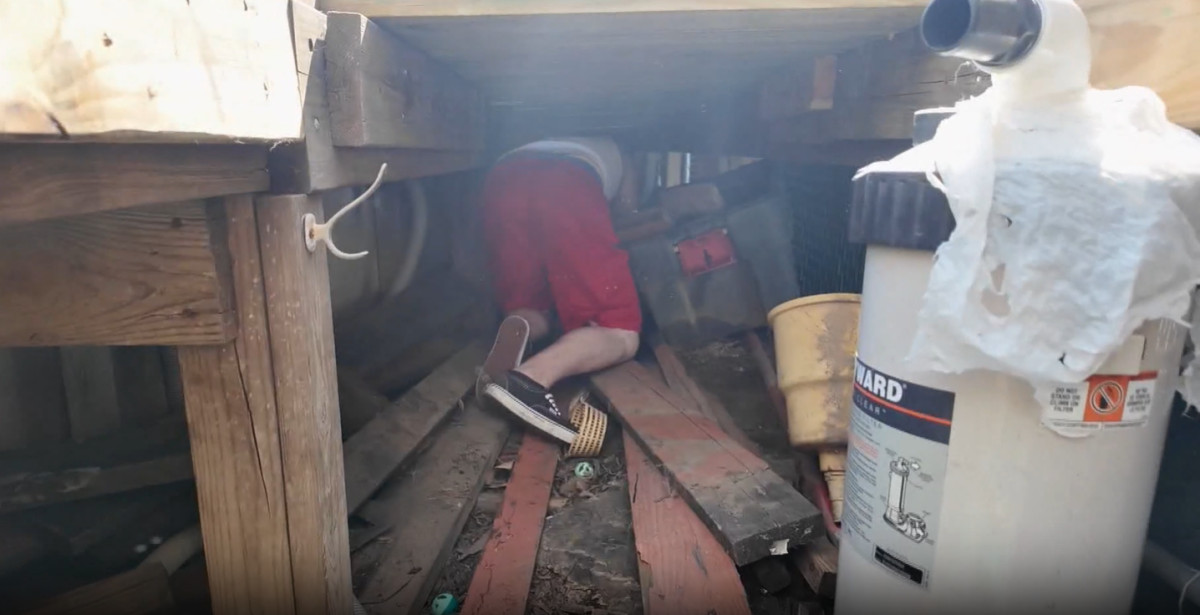
Why this case is hitting cat lovers so hard
Berto said more cats were found dead after police first arrived. He also said he normally feeds 22 cats, but had only seen a handful of them.
For people who care for outdoor cats, that detail lands especially hard. These were not unknown animals passing through a yard. They were cats Berto said he had been feeding and taking for care over the years, making this not only an animal cruelty investigation but also a deeply personal loss for the person who watched over them.
For now, the central question remains unanswered. Investigators have not announced what killed the cats, and the forensic work is still underway.
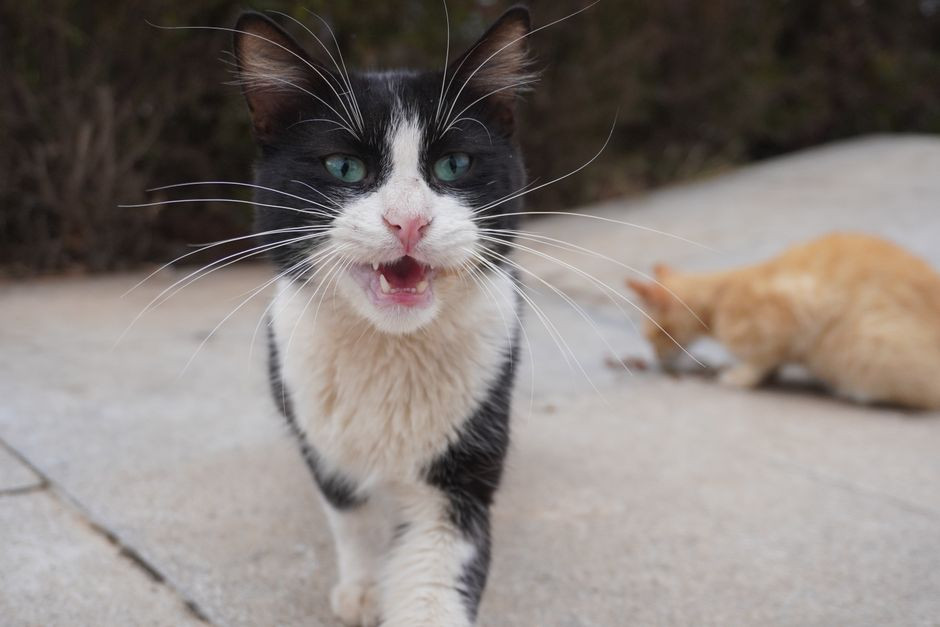
Why cats end up under decks and crawl spaces
Cats often use decks, porches and crawl spaces as shelter. These spots can offer shade, dryness, warmth and a hidden place to rest, especially for outdoor pets, lost cats and community cats that avoid people.
The same spaces can also be risky. Cats may become trapped, eat poisoned rodents, drink spilled chemicals, or hide injuries until they are very sick. Quiet corners can also attract more than one cat over time, so a single discovery may point to a larger local problem. If a deck or shed is being sealed, it is smart to check carefully for animals first and use barriers only after the space is clear.
What to do if you find a cat that is dead, injured or suddenly unwell
If a cat is alive but weak, having trouble breathing, vomiting, shaking or unable to stand, treat it as an emergency. Keep the cat warm and quiet, handle as little as possible, and contact a veterinarian or local animal rescue right away.
If a cat is dead, avoid bare-handed contact. Keep children and pets away. Take clear photos, note the location, and look for anything nearby that could matter, such as food, bait, containers or signs of a struggle. Do not wash the area or throw away possible evidence if the death seems suspicious. A local animal control office, non-emergency police line, shelter or veterinarian can advise on next steps and help check for identification.
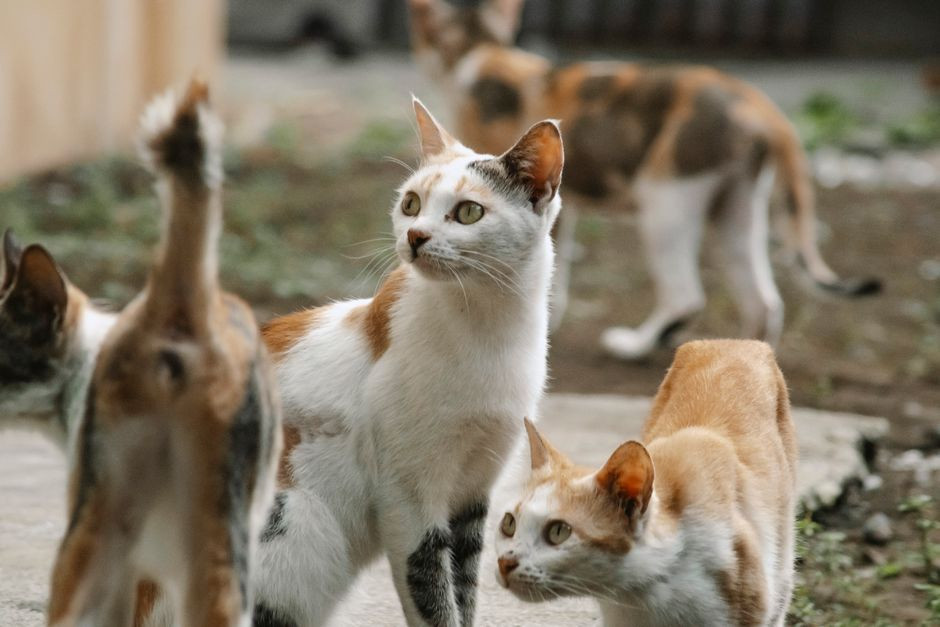
How to reduce risk for cats nearby
The safest pet cats are kept indoors or outside only with supervision, a secure enclosure, or a leash and harness. Microchips and breakaway collars improve the chance that a lost cat can be identified.
Around homes, store chemicals securely, clean spills quickly, and avoid using rodent poison where cats may roam. If community cats live nearby, a managed feeding routine, fresh water, shelter and spay-neuter support can make the area safer and help people notice quickly when something is wrong.
Share this article:





