
Ohio Woman Reunited With Missing Cat Booger After 6 Years Thanks to Shelter Post

The black cat in the shelter photos was called Eugene, and he looked nothing like an easy-to-miss neighborhood character on a casual stroll. But when those images spread online, a Dayton woman saw what everyone else had missed. She believed the battered 14-year-old cat was Booger, the pet she had been searching for since 2020.
A reunion hiding in plain sight
The Humane Society of Greater Dayton said the widely shared post led to a Sept. 11 reunion, six years after Booger vanished. At the shelter, the cat had been known as Eugene. To the woman who saw one of the many online shares, he looked like someone else entirely.
She suspected the cat was her missing pet and was able to support that hunch with photos and other personal details. When the reunion happened at the shelter, the match was clear.
For cat people, it is the kind of twist that lands with a little extra force. A shelter cat with a temporary name turned out to have a whole history attached to him all along. The shelter put it simply in its own way: this was never just an unidentified stray. He had a name, a past, and a person who had kept looking.
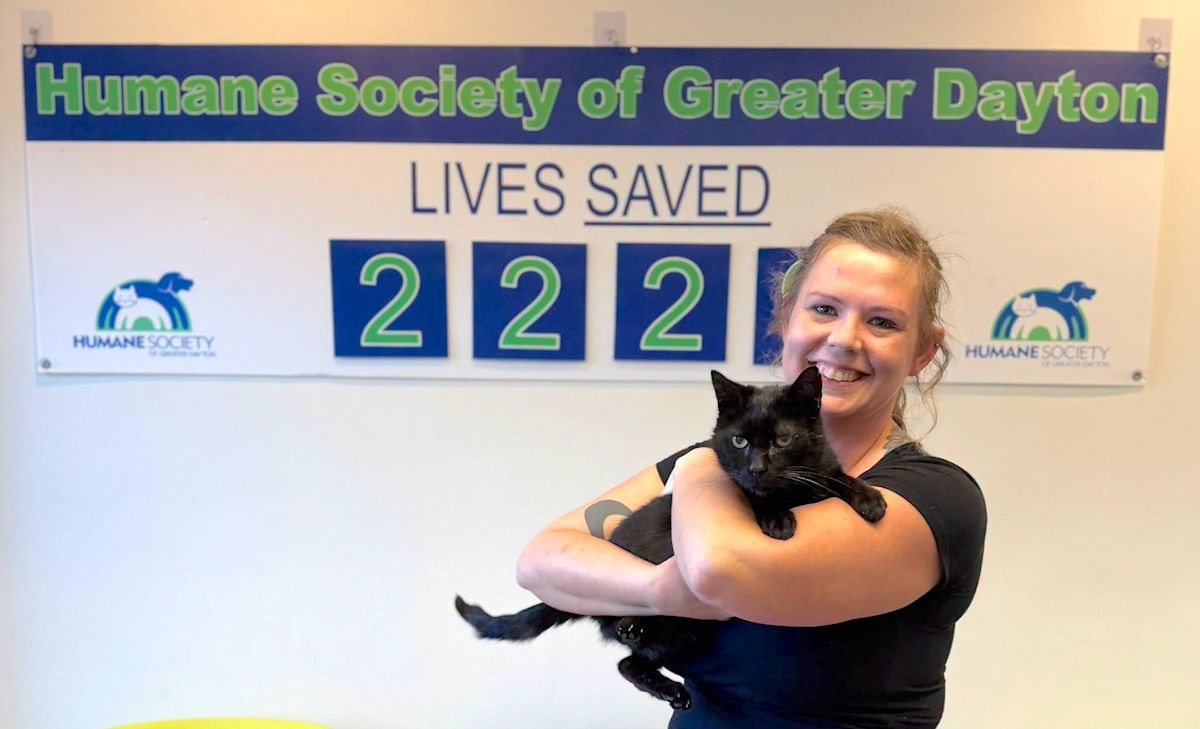
Before anyone knew who he was, staff were trying to keep him alive
That family connection emerged only after the emergency had eased. When the stray cat arrived at the shelter in February 2026, staff first focused on survival.
The Humane Society said he came in critically ill, with extreme weight loss, dehydration, and significant muscle wasting. Bloodwork showed anemia. Staff also found open wounds, patches of missing fur, ear mites, severe dental disease, and a respiratory infection so bad that he was sneezing blood.
His mouth alone told part of the story. Veterinarians said nine teeth had already been lost to dental disease, and they removed another nine.
The list did not end there. During recovery, the cat tested positive for Feline Immunodeficiency Virus. He also needed multiple medicated baths for a severe case of ringworm.
Over seven months, he went through intensive veterinary treatment, rehabilitation, and recovery care. The shelter said progress was slow. Vaccinations, medical treatment, and changes to his diet helped him gain weight, regrow his coat, and improve significantly.
What happened to Booger during the years he was gone is still unknown. The shelter has said it does not know where he had been or what he endured before showing up in such desperate condition.
A very online miracle, with a practical lesson for cat households
In this case, the internet did what flyers on poles and worried conversations so often hope for but do not always achieve. Shelter posts traveled far enough for the right person to see the right cat at the right moment.
There was another sweet detail tucked into the ending. Before anyone at the shelter knew the cat had a family, an anonymous person had already paid the adoption fee.
Brian Weltge, the shelter's president and CEO, said the case captured why the organization does this work every day. Seeing the cat back with the family that had kept searching, he said, was a powerful reminder that every animal should get that opportunity.
Booger's story also carries a useful nudge for anyone living with a cat who has a talent for slipping out the door or vanishing under mysterious circumstances. Keeping current photos, veterinary records, and microchip information up to date can make a reunion easier if a shelter or rescue group later shares a post online.
For this black cat from Dayton, those ordinary pieces, pictures, records, and a person who recognized him, helped turn Eugene back into Booger.
How lost cats are identified
A cat can be identified in a few different ways, and each one helps in a different situation. A visible ID tag on a breakaway collar is the fastest for a neighbor to use. A microchip is a tiny implanted chip that carries an identification number. It does not track location. When a shelter or veterinary clinic scans the chip, that number links to contact details in a registration database.
The most important step for owners is not just getting a cat chipped, but keeping the registration current. A chip with an old phone number is much less useful. It also helps to keep clear, recent photos of your cat, including unusual markings, eye color, paw colors, and any scars or ear notches. Those details can matter when a cat has been missing long enough for its coat, weight, or age to change.
Why shelters and online posts matter
Shelters, rescue groups, and veterinary clinics often act as the main crossroads for found cats. Staff may photograph a cat, note where it was found, check for a chip, and share the listing online. That gives owners another way to search beyond walking the neighborhood.
If your cat goes missing, contact nearby shelters and clinics quickly, then keep checking back. A single call is rarely enough because cats may arrive later, be listed under a different coat color, or look different after time outdoors. Search both lost and found listings. If you find a cat, bring it to a clinic or shelter for a chip scan and post clear photos in local lost pet groups, neighborhood apps, and community boards. Include the date and general area, but avoid sharing every identifying detail at once so ownership can be confirmed carefully.

What owners can do before and after a disappearance
Preparation makes reunions more likely. Keep your cat's chip details updated, use a breakaway collar if your cat tolerates one, and save several photos on your phone. Teach everyone in the household what the cat looks like, what it answers to, and where records are stored.
If a cat disappears, search nearby hiding places first. Many cats stay close at first, especially if they are indoor pets. Check under porches, in garages, sheds, bushes, and parked vehicles. Put out familiar bedding or a used blanket, and speak in a calm voice during quieter hours. Ask neighbors to check enclosed spaces before closing doors. Keep posting, refreshing listings, and following up with shelters over time. Some cats are found after long gaps because someone finally spots a post, scans a chip, or realizes the cat they have been seeing belongs to someone else.
Share this article:





