
Bruno the Park City police dog is home after surgery following overpass jump

Bruno’s week turned on one violent moment above a busy stretch of highway. The Park City Police Department K-9 ended up with two broken legs and a fractured jaw after jumping from a freeway overpass during an investigation, but the latest update brought the kind of news dog lovers wait for: Bruno is expected to survive.
A working dog, a freeway overpass and a frightening fall
Bruno was injured Tuesday during an investigation into what officers described as a suspicious item. The Park City Police Department said the K-9 jumped from the freeway overpass connecting Interstate 80 and U.S. 40.
The incident unfolded in the middle of a major traffic corridor. Portions of both roads were closed during the investigation, and the shutdown led to a long commute for people traveling through the Snyderville Basin.
What initially drew the response turned out not to be a mystery object after all. Sgt. Skyler Talbot of the Summit County Sheriff’s Office said the item appeared to be an e-bike battery.
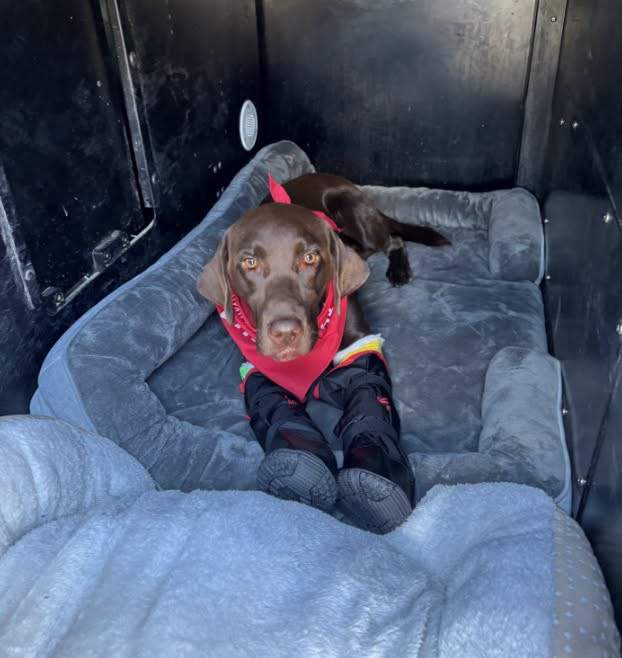
For Bruno, though, the real emergency came after the jump. He was taken to an emergency veterinary hospital, where the extent of his injuries became clear: two broken legs and a fractured jaw.
Surgery, support and a hopeful update
By Wednesday, Bruno was in surgery to repair his broken legs. In a Thursday update, the Police Department said the operation went well and described the dog as being in good spirits.
The department also said Bruno is officially on the mend. For a police K-9 whose work put him at the center of a dangerous scene, that simple phrase carried the weight of the whole week.
The message from the department made clear that Bruno’s case had drawn support from well beyond his immediate team. Officials thanked the community for what they called an incredible amount of love and support for both Bruno and his handler.
They also recognized the agencies and first responders who reached out, checked in or helped directly during the response and treatment. The department specifically thanked the Summit County Sheriff’s Office, Highway Patrol, Park City Fire District, South Salt Lake Police, Intermountain Life Flight and MedVet Animal Hospital for their response, care and continued support.
The best part of the update came at the end
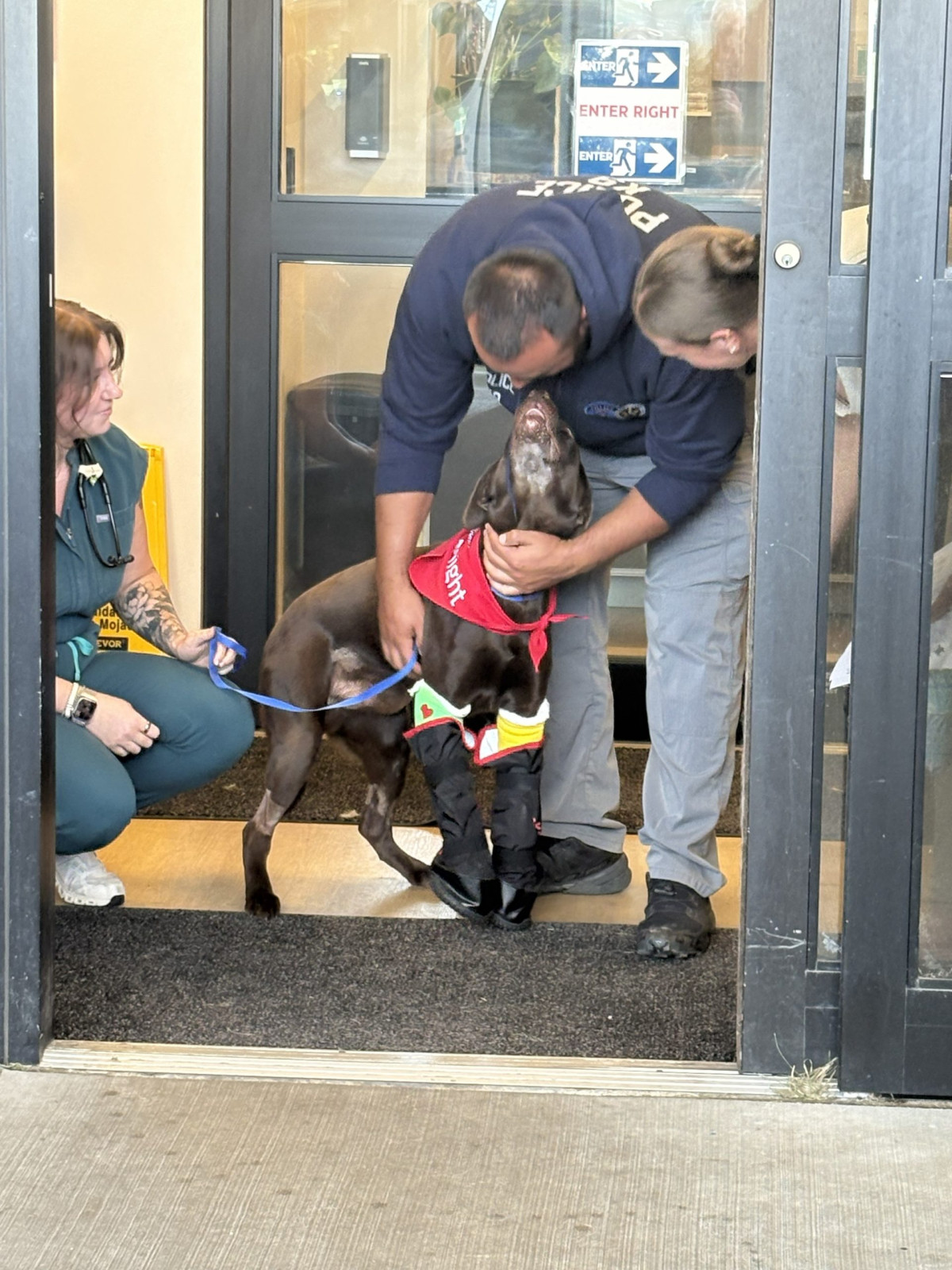
The biggest turn in Bruno’s story was not just that he came through surgery. It was where he went next.
According to the department, Bruno was released from the veterinary hospital Thursday afternoon. He is now home with his family.
That detail gave the official update its warmest note. After the injuries, the hospital trip and the surgery, Bruno’s recovery is continuing in the place the department said he can be surrounded by the people who know and love him best.
The road back is still defined by the injuries he suffered on the overpass, and officials have not suggested that recovery will be small or simple. But the update offered something solid and hopeful. Bruno survived the fall. His surgery was successful. He left the hospital. And for now, the Park City police dog at the center of a tense highway incident is home, beginning the next part of his recovery with his family.
Why dogs can be badly hurt by a fall
A dog that jumps or falls from height can look alert and still have serious injuries. Adrenaline often masks pain at first. Common problems include broken bones, chest bruising, lung injury, internal bleeding, torn nails, paw pad damage, and head or spinal trauma. Dogs can also go into shock, which may show up as weakness, pale gums, fast breathing, or collapse.
After any hard landing, the safest move is to keep the dog as still as possible and get veterinary help quickly. Use a leash, towel, board, or blanket as a stretcher if needed, and avoid twisting the neck or back. Even a friendly dog may snap when in pain, so handle gently and keep faces away from the mouth. Do not offer food or water before an exam if surgery might be needed.
Why working dogs take big physical risks
Police, military, search, and rescue dogs are trained to stay focused through noise, movement, and stress. Many are taught to chase, climb, leap, and clear obstacles while following a scent or a handler's direction. That drive can make them extraordinarily capable, but it also means they may commit to a jump or route that is unsafe once momentum takes over.
Readers with active pet dogs can borrow one lesson from working-dog training: practice impulse control around edges, stairs, open vehicle doors, and elevated surfaces. Reliable cues such as wait, stay, and recall can prevent many injuries. Secure fencing, harnesses for car travel, and close supervision near bridges, balconies, and retaining walls also matter, especially for high-drive dogs.
What recovery after orthopedic surgery usually involves
When a dog needs surgery after a traumatic injury, the hardest part often comes after the operation. Recovery usually means strict rest, short leash trips only, pain control, and repeat checkups. Many dogs need a cone or recovery suit to stop licking. Owners are often asked to watch the incision for redness, discharge, heat, swelling, or a bad smell.
Physical rehabilitation can be important once the surgeon allows it. That may include controlled walking, balance work, range-of-motion exercises, or underwater treadmill sessions. Healing is easier when routines are calm and predictable. Call a veterinarian promptly if a recovering dog will not bear weight, seems unusually sleepy, has trouble breathing, vomits repeatedly, or suddenly seems much more painful.
Share this article:





