Puppy Found With His Head Stuck in a Tire Gets the Name Hotwheels and a Second Chance

The moment everyone at the shelter was working toward finally came when the tire slipped free and the puppy was no longer carrying its weight around his head. What arrived as a baffling rescue case at the County of Los Angeles Lancaster Animal Care Center ended with a young dog safe, named, and beginning to recover.
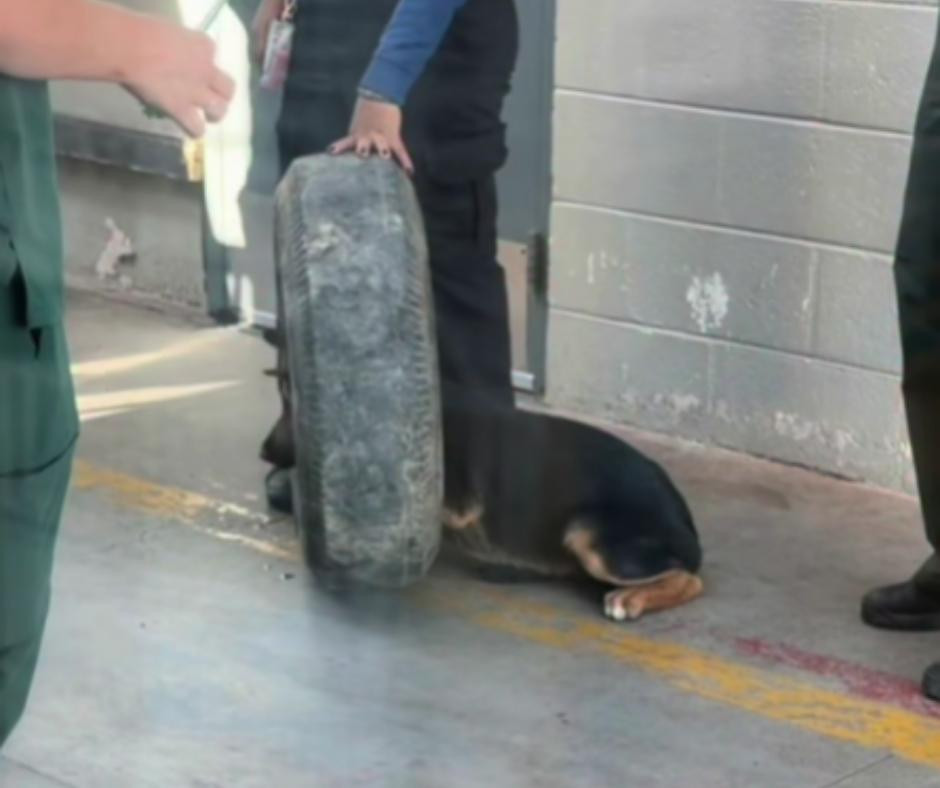
When the puppy reached the County of Los Angeles Lancaster Animal Care Center, his situation was immediately clear and highly unusual. His entire head was trapped inside a tire.
Even for shelter workers used to handling difficult cases, this was the kind of arrival that raised instant questions. No one knew exactly how such a young dog had managed to get his head through the tire. No one knew how long he had been stuck that way, either. What mattered in that moment was finding a way to remove the heavy object without causing him more pain or risking an injury.
The people who got him there had already taken the crucial first step. He had been discovered in the desert by people collecting scrap metal, who saw that he needed help and brought him straight to the shelter instead of leaving him behind.
A careful rescue at the shelter
Once the puppy arrived, staff members gathered around him and started working out how to free him safely. This was not a case of simply pulling the tire off.
Several people had to work together. Some helped hold and steady the puppy while others focused on moving the tire, all while trying to keep him as calm and comfortable as possible. The work required patience and coordination. Each movement had to be deliberate, because rushing could have frightened the puppy or caused harm.
The team continued adjusting its approach as needed, staying focused on the same goal from start to finish. It was a rescue that depended on cooperation, problem-solving, and a gentle touch. Their persistence paid off. The tire finally came free, ending what had clearly been a strange and exhausting ordeal for the little dog.
For the puppy, that meant the uncomfortable weight around his head was gone. For the people around him, it was the release they had been trying to achieve from the moment he came through the door.
From a mystery in the desert to a memorable name
The puppy arrived with a story no one could fully explain, but he did not leave unnamed. After surviving such an uncommon rescue, the shelter chose a name that matched the circumstances of his arrival: Hotwheels.
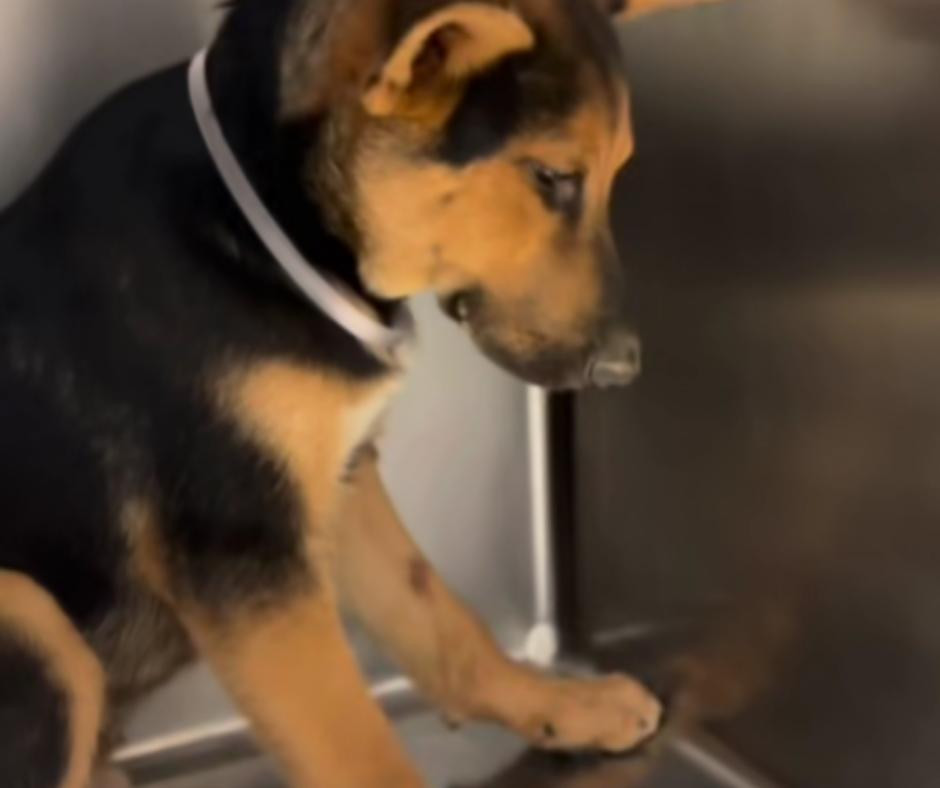
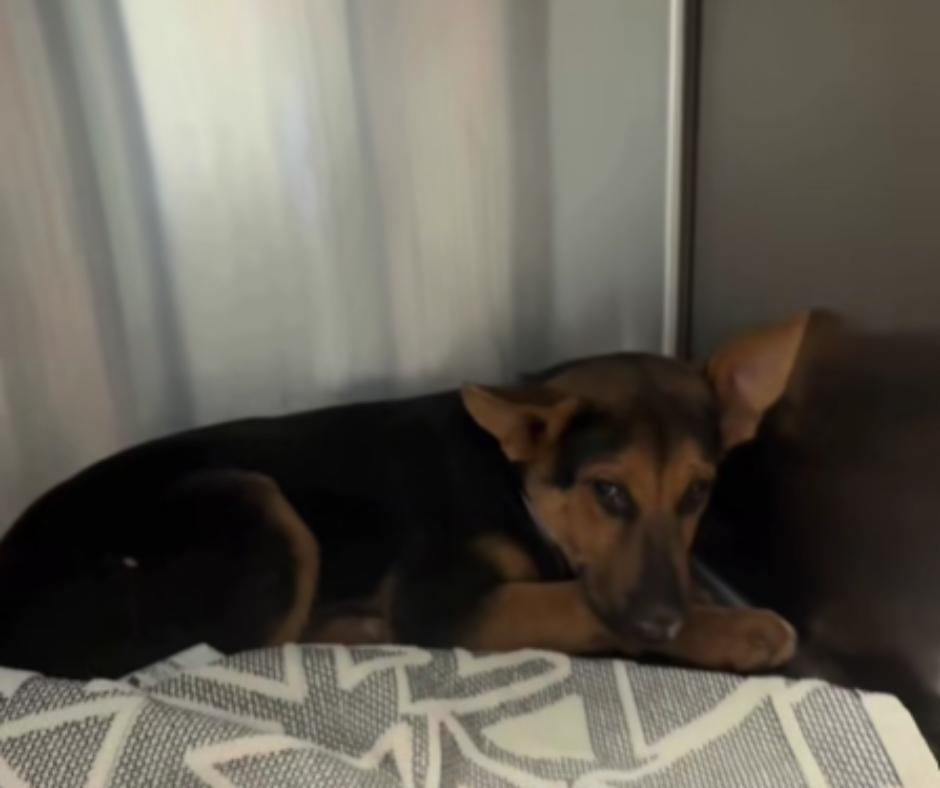
The name captures how unforgettable his case was, but the more important part of the story is where he is now. Hotwheels is out of the tire and recovering well. After what he experienced in the desert and during the effort to free him, he is finally able to rest while receiving care and attention at the shelter.
His rescue is also a reminder of the unpredictable side of animal care work. Not every case follows a familiar pattern. Sometimes help looks like several people surrounding one frightened puppy and patiently solving a problem no one expected to see that day.
Hotwheels came in carrying an unanswered mystery around his head. He came out of it safe, cared for, and given the chance to start over.
Why curious puppies get trapped
Puppies explore with their mouths, noses and whole bodies. Anything shaped like a ring, tube, bucket or gap can become a hazard when a young dog pushes forward and then cannot back out. Tires, wheels, plastic containers, wire fencing and furniture can all catch around the head, chest or legs.
Once trapped, many dogs panic and struggle. That can make the object wedge more tightly, cause swelling around the face or neck, and turn a small problem into an urgent one. Heavy objects can also strain the neck and make it hard to rest, walk or breathe. Even if a dog seems alert, hidden injuries such as scrapes, bruising, overheating or exhaustion are possible.
The safest mindset is to treat entanglement as both a physical and stress emergency. Calm handling matters as much as removing the object.
What to do if you find an animal stuck
Approach slowly and speak softly. A frightened dog may bite even if normally friendly. If possible, keep the animal from bolting into traffic or deeper brush. A towel or blanket can help calm a dog and protect your hands, but do not cover the nose or block breathing.
Check the basics first. Is the chest moving normally. Is the object pressing on the throat. Is there bleeding. If breathing looks labored, the dog is collapsing, or the object is very tight, get veterinary or animal rescue help right away.
Avoid yanking. Pulling can worsen swelling and tighten the trap. If the object can be widened or cut safely without coming near the skin, that may help, but tools can slip and injure a struggling animal. Water or pet safe lubricant sometimes helps with smooth plastic or rubber, but only if the dog is stable and calm. After release, a veterinary exam is wise because pain, dehydration and soft tissue injury are easy to miss.
How to prevent repeat accidents
At home, look for head sized spaces and loops at puppy level. Store tires, buckets, food tubs, cords, straps and sports gear where pets cannot investigate them. Check fences for gaps, and choose crates, gates and toys sized for a growing dog. If a toy is small enough to fit over the jaw or large enough to trap the head, it is the wrong size.
Supervision matters most during the teething and high curiosity stage. Give puppies safe chew items, regular play, and short training sessions so they are less likely to invent risky games. Basic cues such as come, leave it and wait can also prevent trouble.
For any newly found or newly adopted puppy, identification, a veterinary check, and a quiet decompression space are practical first steps. Many young strays need rest, hydration and slow introductions before their personality shows.
Share this article: